Why Austria’s Lakes Feel Different: Almsee and the Art of Care

A clear mountain lake, trout with potatoes, an elegantly dressed devil, and an Austrian lesson in paying attention.
I expected Austria to be beautiful.
I did not expect it to be so cared for.
Before we reached Almsee, grain bent in the fields and meadows ran toward the mountains. Houses sat beneath dark roofs. The gardens were clipped, swept, planted, and generally behaving better than most people’s living rooms.
Nothing looked accidental.
A fence was not simply a fence. Flowers spilled from windows and old wooden carts. Even the smallest building seemed to have received someone’s full attention.
Then the lake appeared.
And everything turned teal.
The lake that looked lit from below
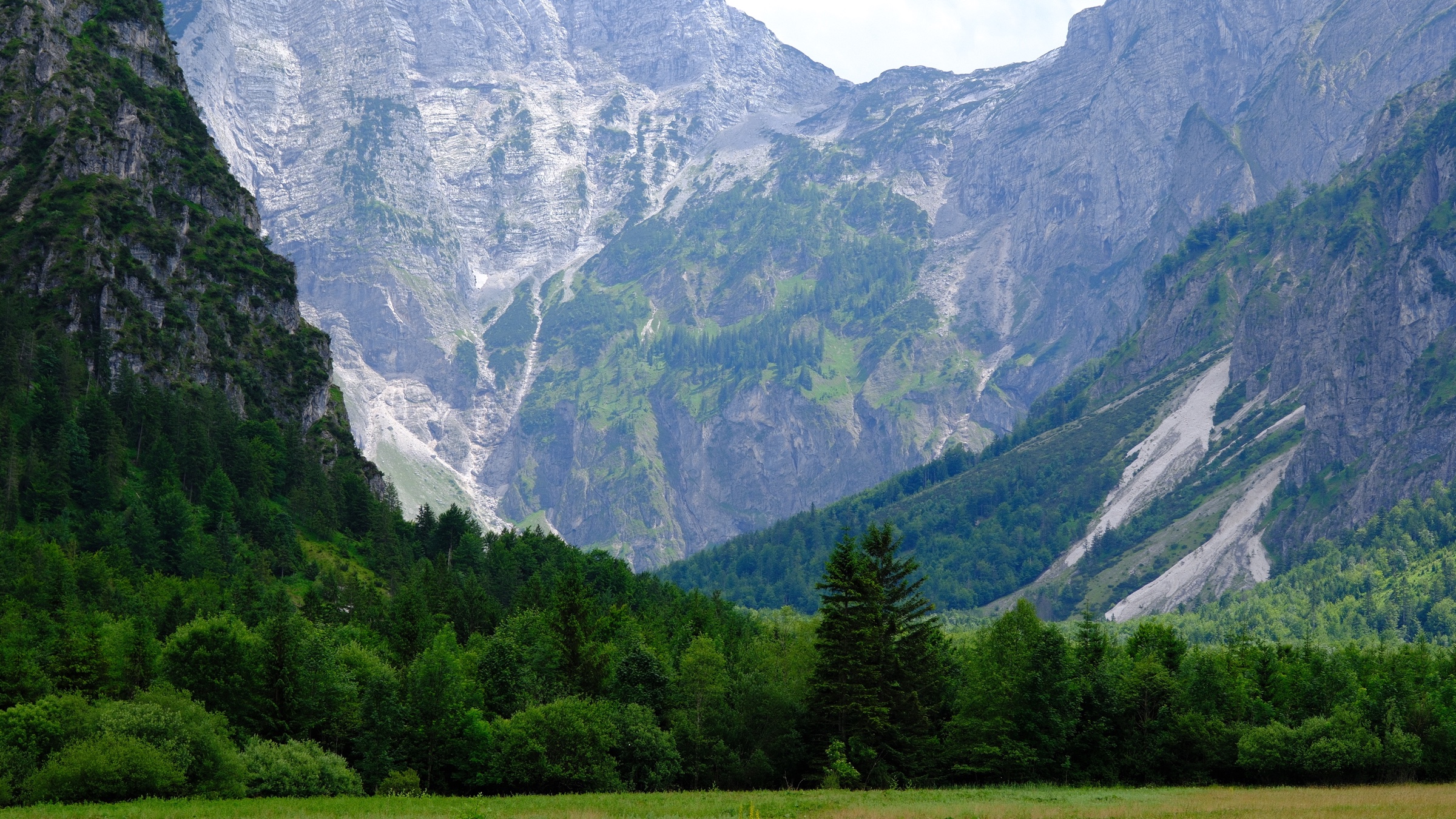
Almsee rests at the foot of the Totes Gebirge, or Dead Mountains.
This is a rather severe name for a place so extravagantly alive.
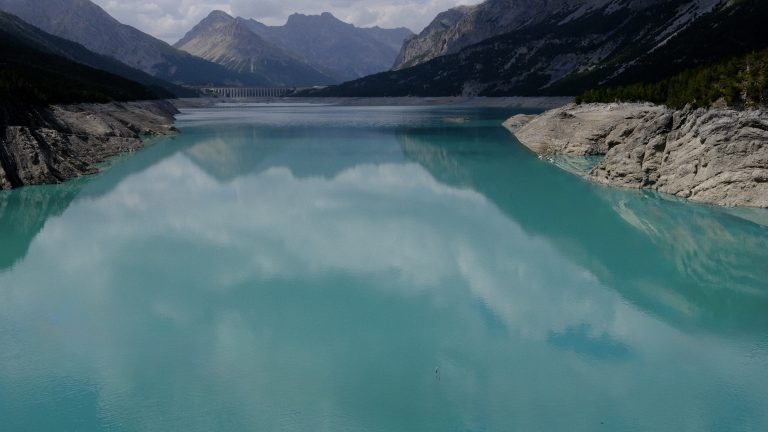
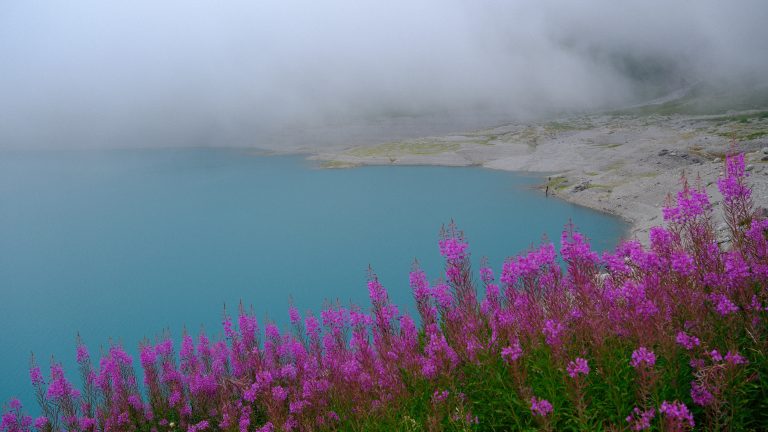
Forest gathers around the water. Clouds move across the limestone walls. The lake changes from turquoise to emerald to silver, sometimes within a few minutes.
The air was absolutely delicious. I wanted to eat it with a spoon.
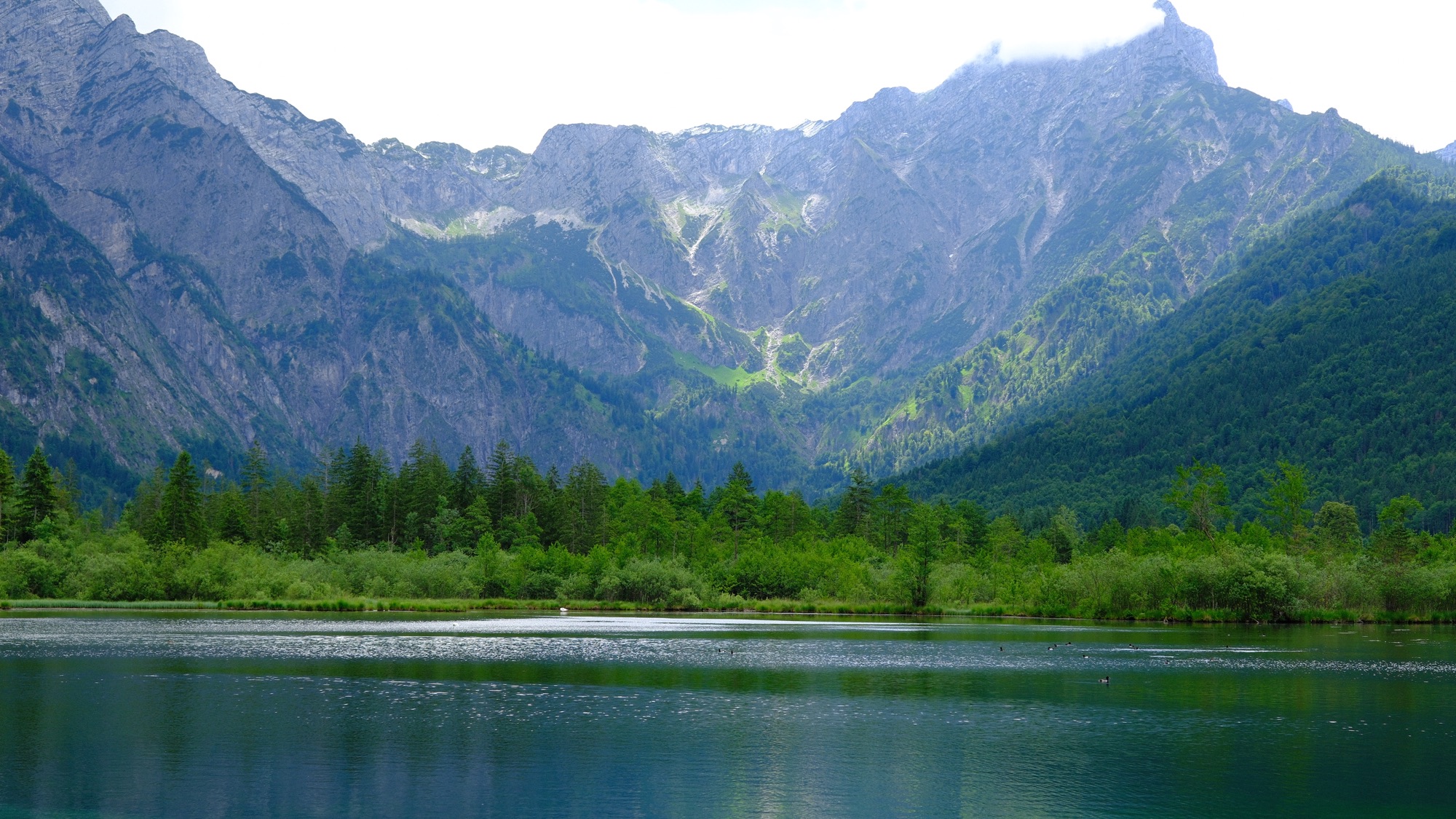
Almsee is only about five metres deep. Cold streams enter from the mountains, and springs also rise through the lakebed. According to the official Upper Austria lake profile, the water renews itself roughly every ten days.
A housekeeping schedule that puts the rest of us to shame.
The clarity allows light to reach pale limestone, underwater plants, the lakebed, and every shade of green around the shore. That is how the color happens. No secret filter. No helpful employee adjusting the saturation before visitors arrive.
Almsee simply has very good lighting.
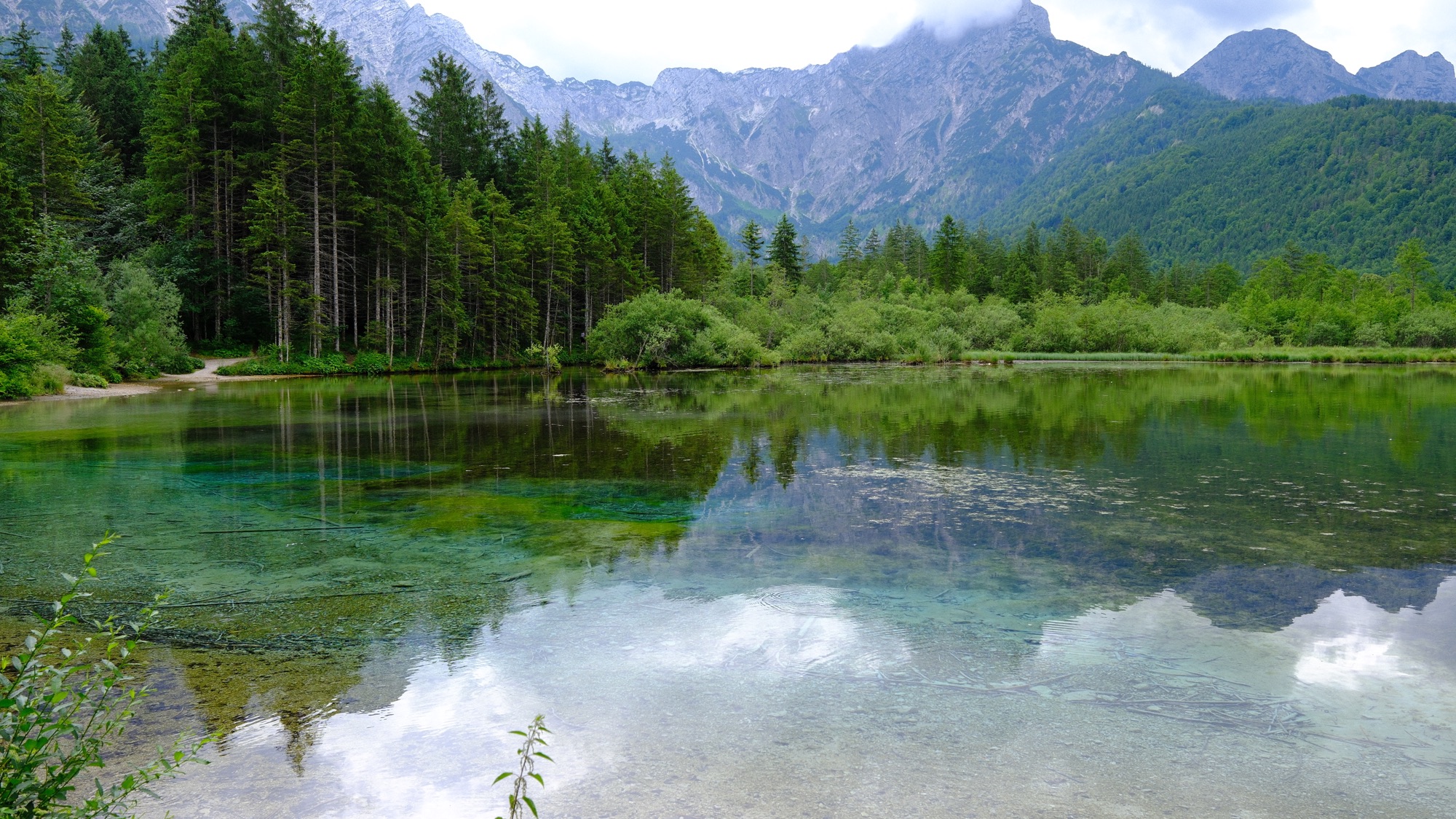
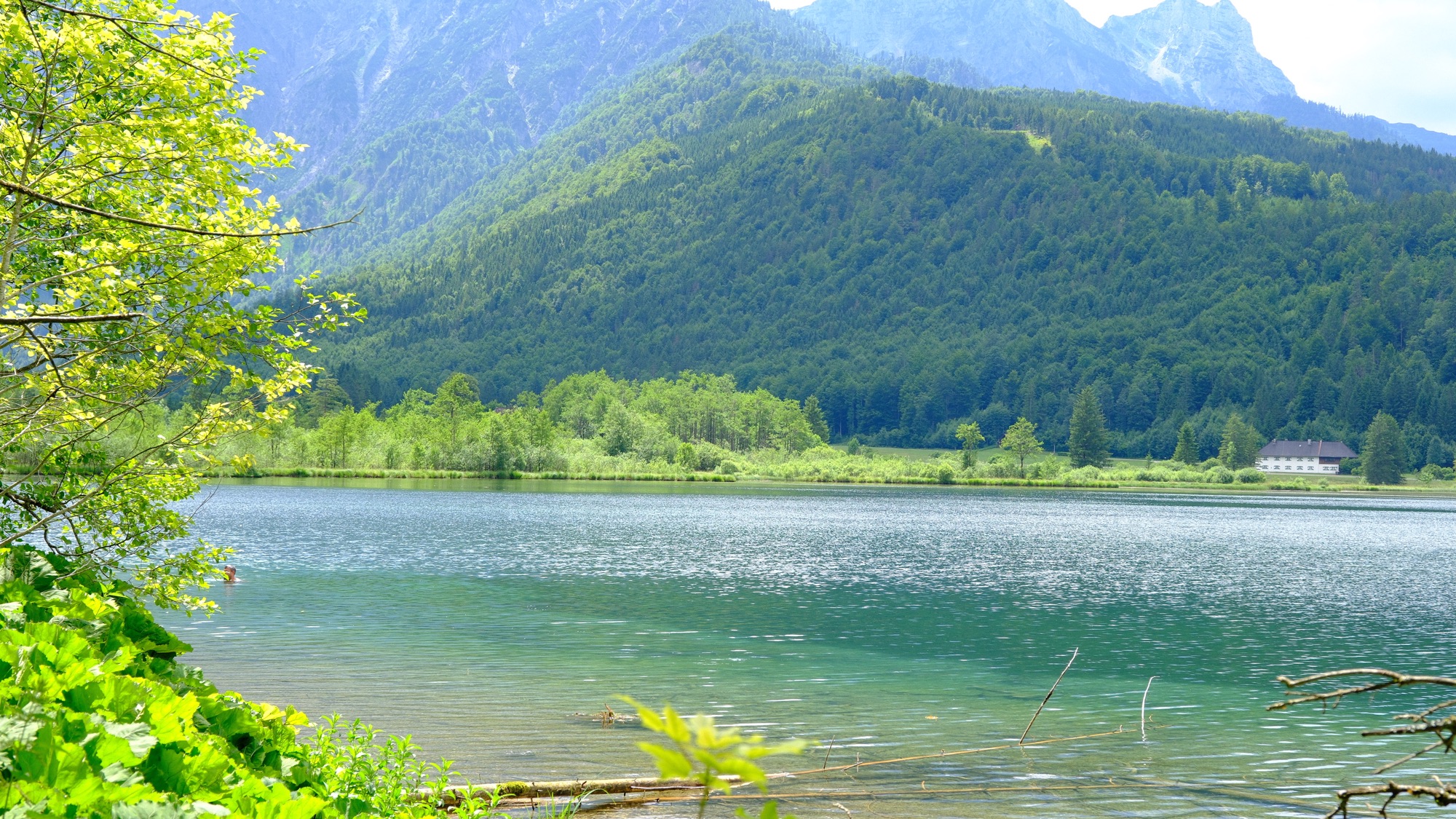
The water was cold enough to make the first step feel like a negotiation. We swam anyway. Local swimmers stayed in for twenty or thirty minutes with the calm of people who had made peace with mountain water.
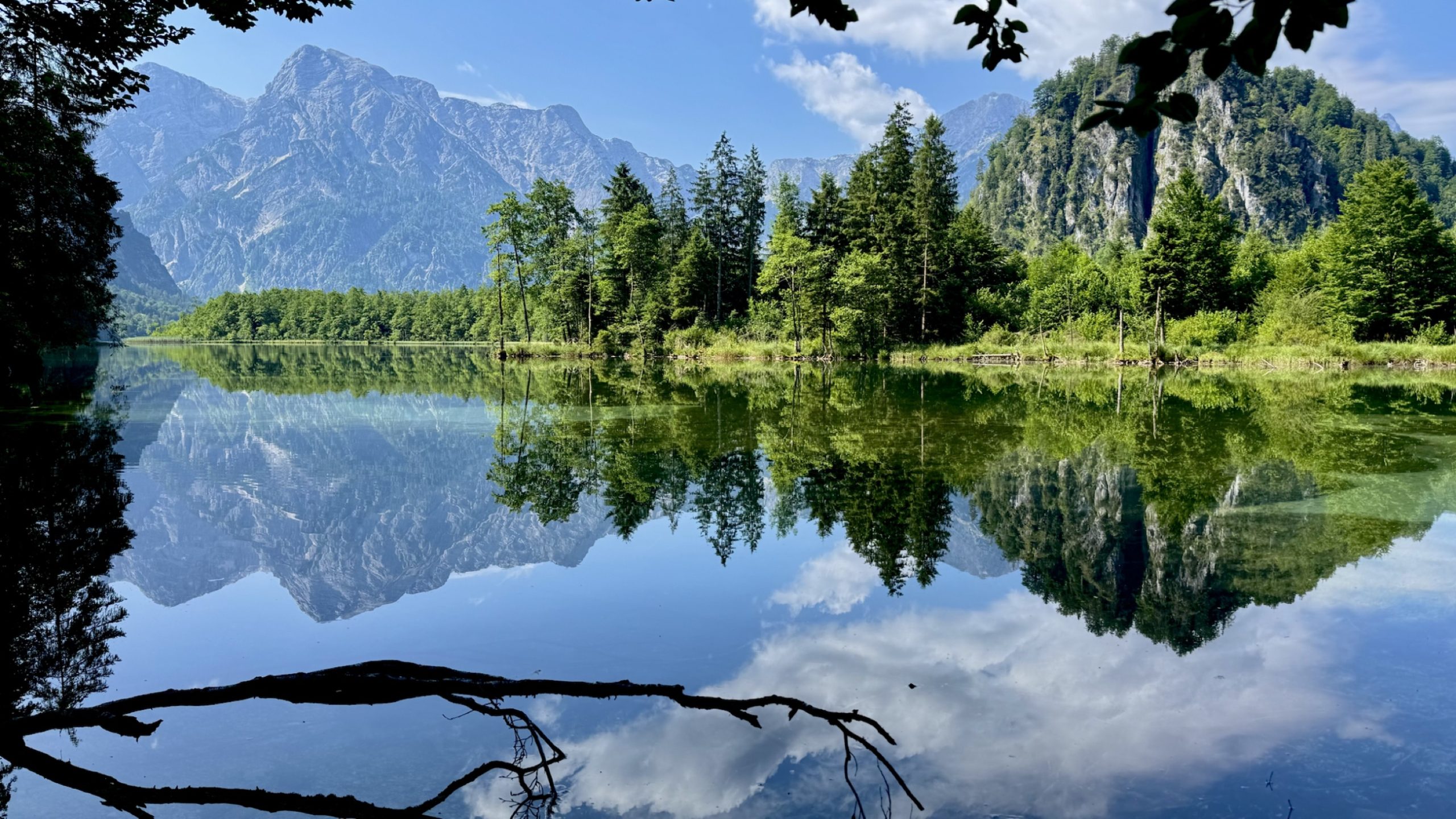
Almsee never looked exactly the same twice.
The water kept rearranging itself. The teal was still there, but sometimes the surface held whole mountains, forests, and clouds. It was less like looking across a lake and more like discovering that the landscape had quietly made a second copy of itself.
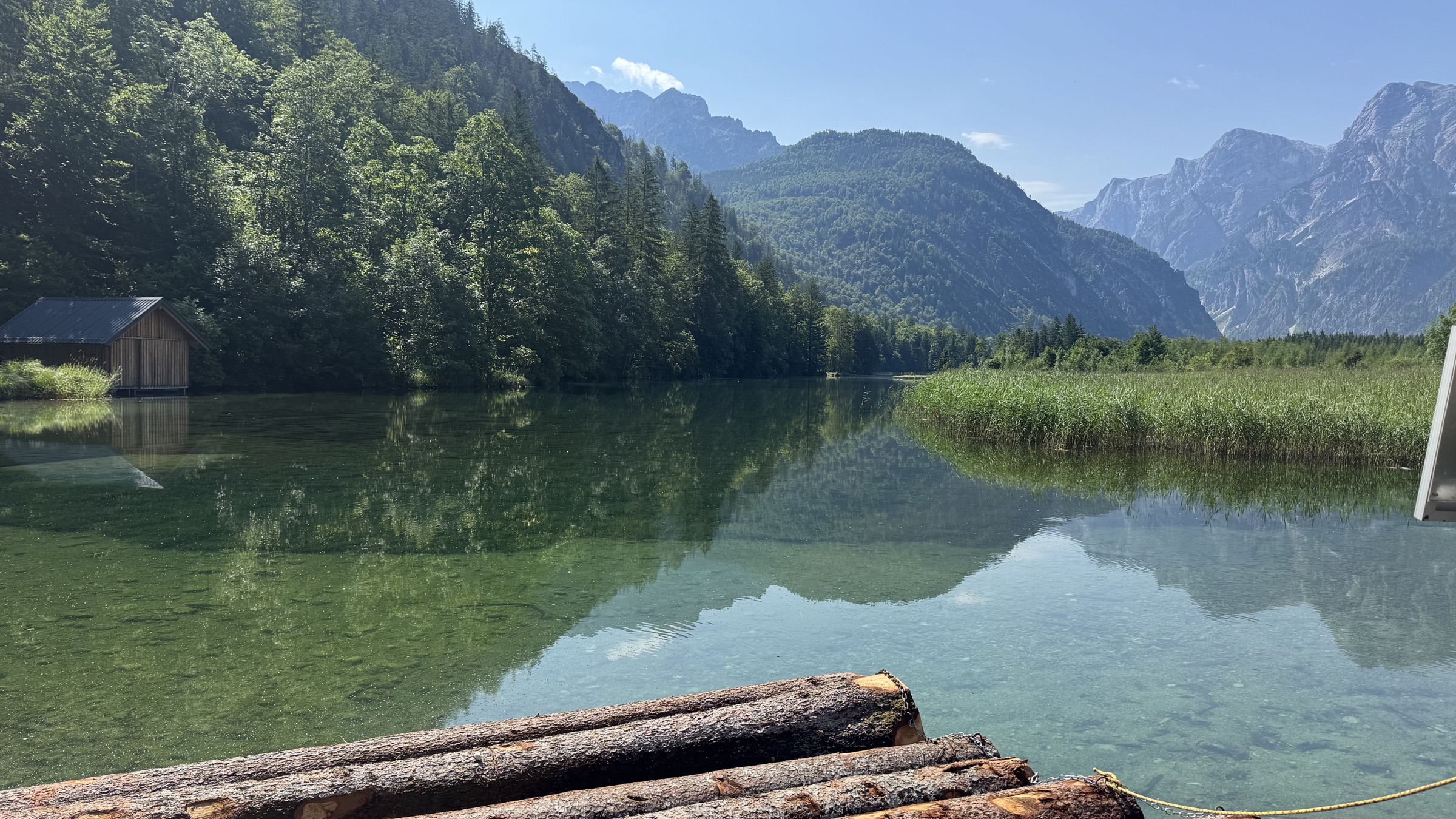
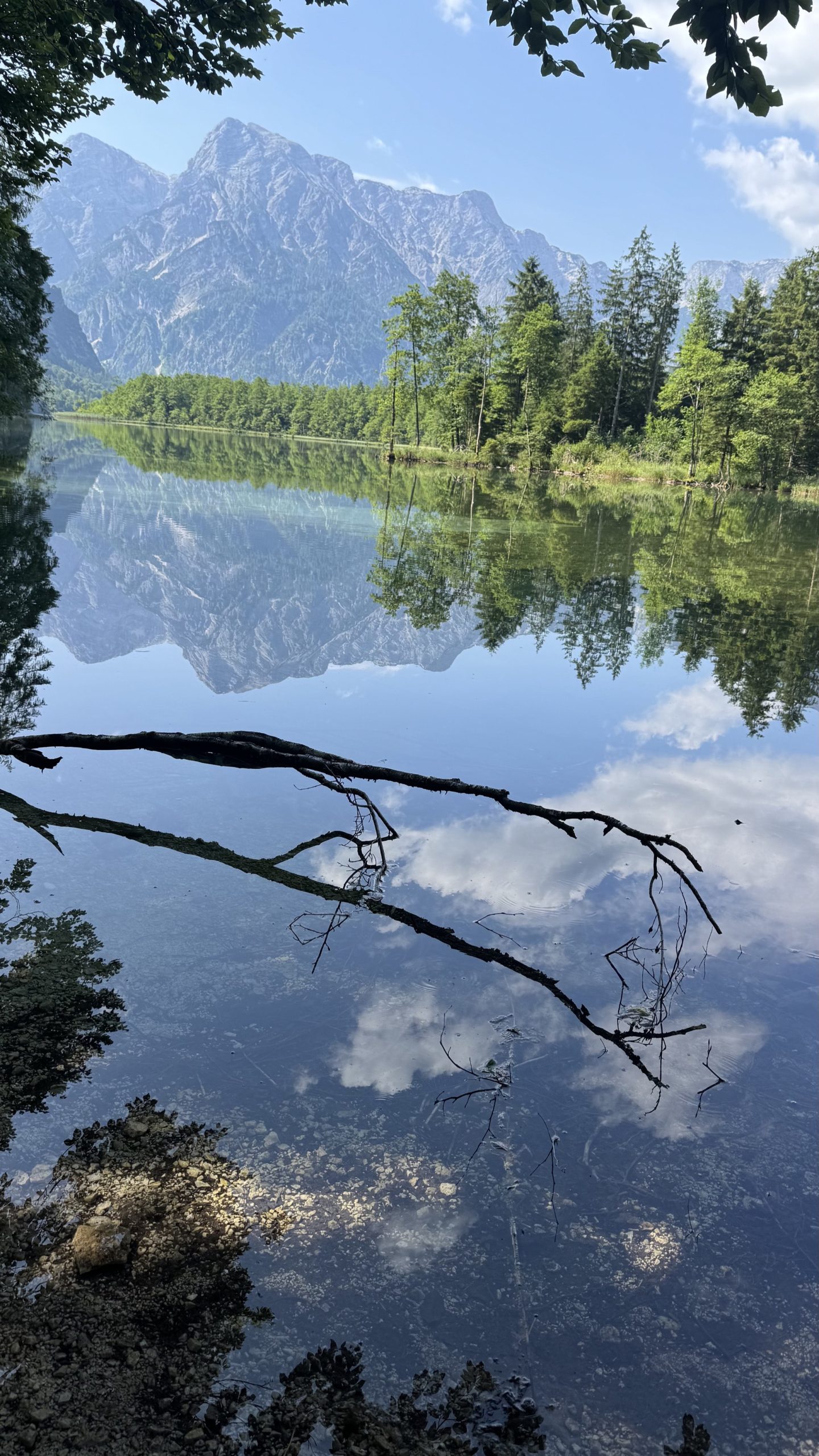
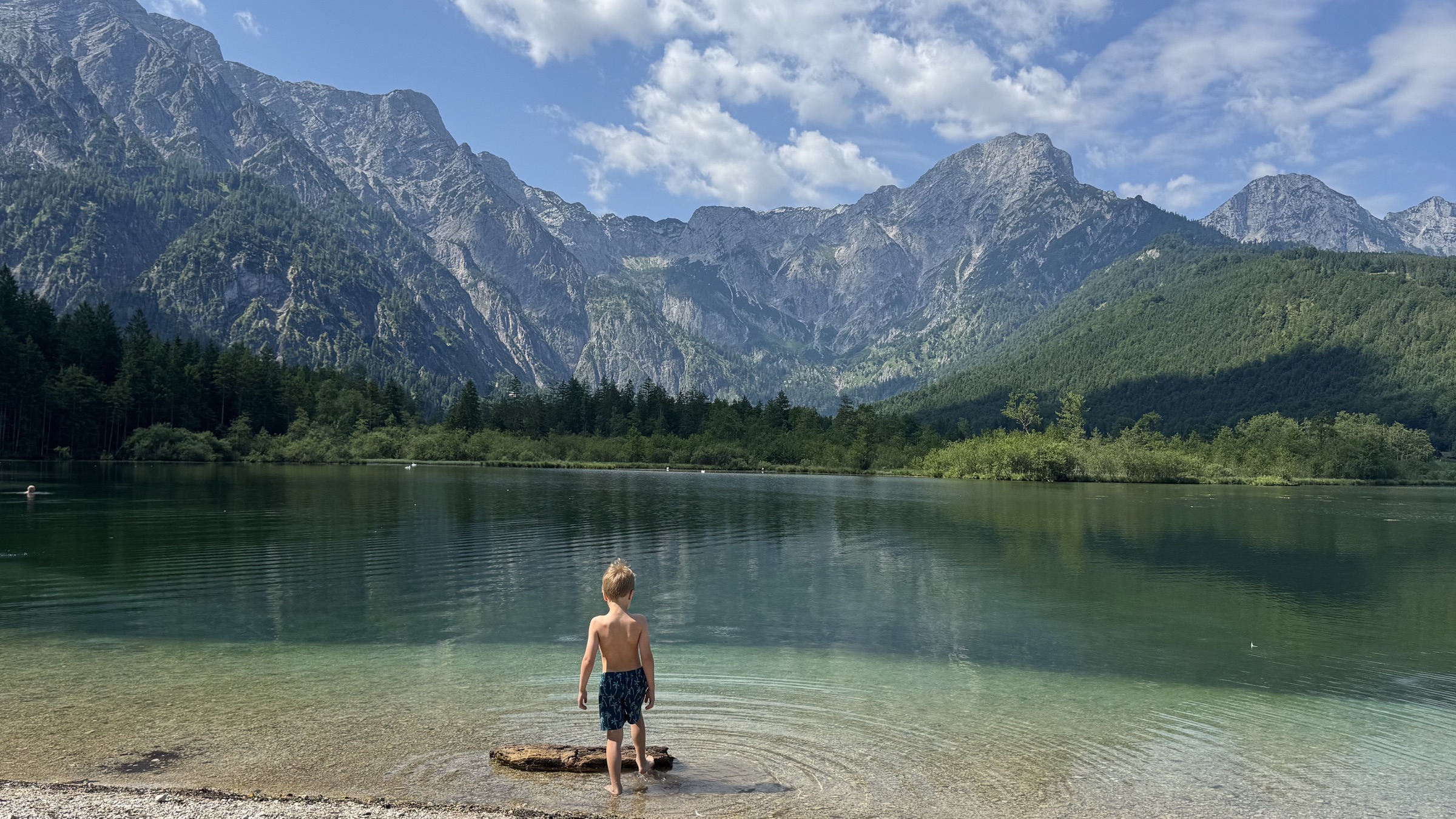
Swipe or drag the bar to see each photograph.
The cleanliness of the water was striking, but it did not stop at the shore.
It continued into paths, gardens, buildings, restaurants, and public spaces. Everything looked cared for.
Not polished into sameness. Cared for.
Swans, naturally
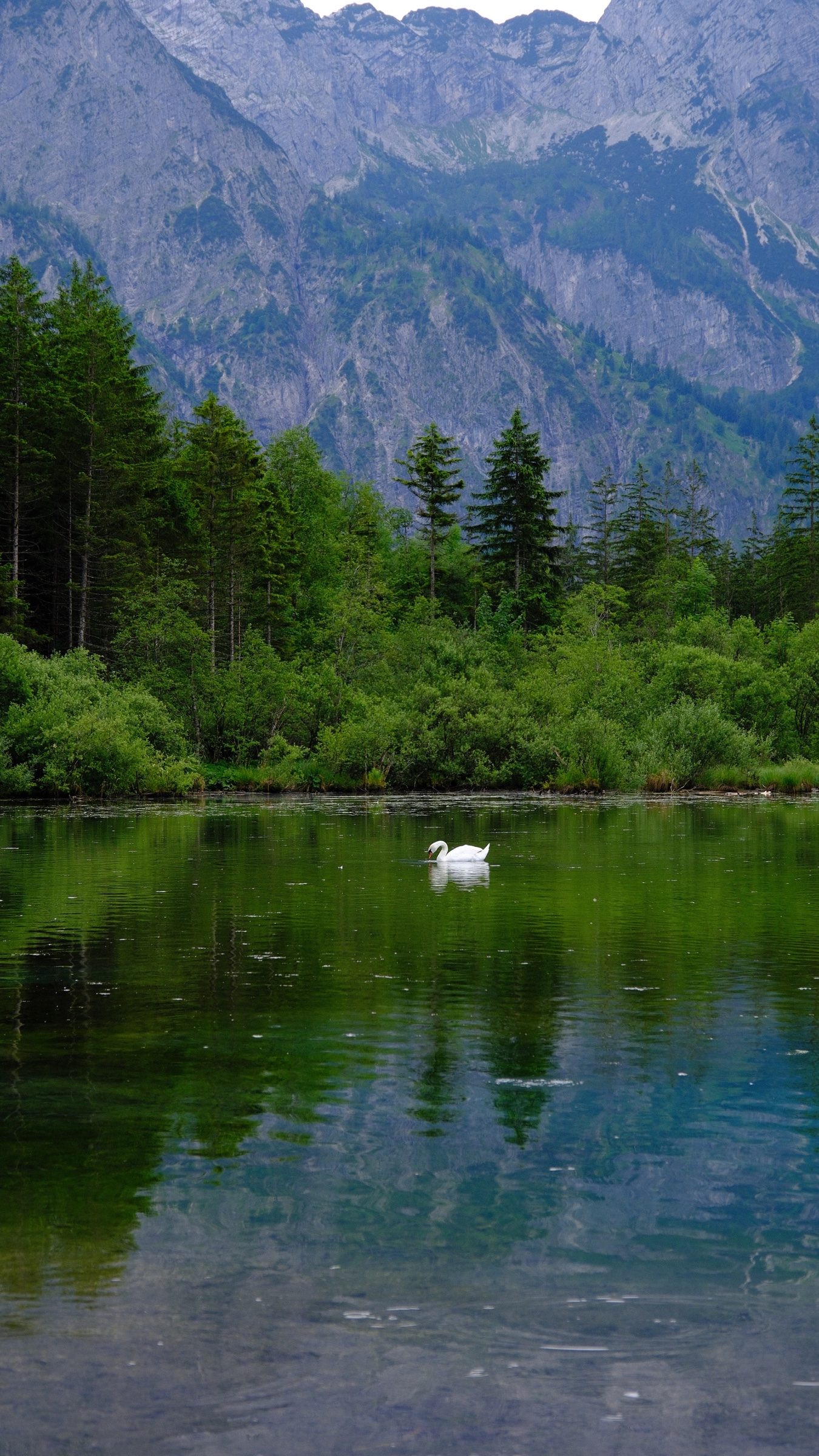
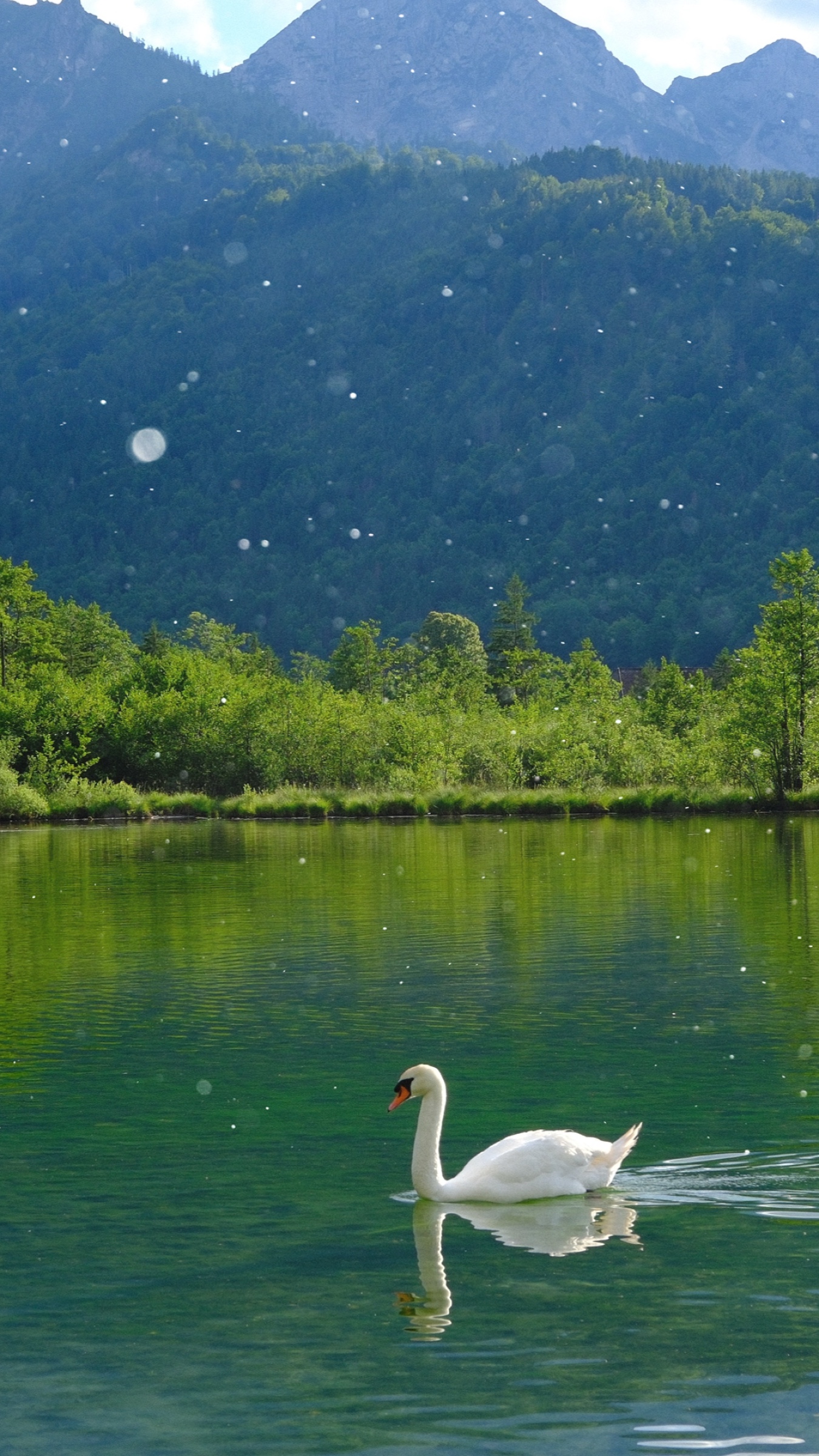
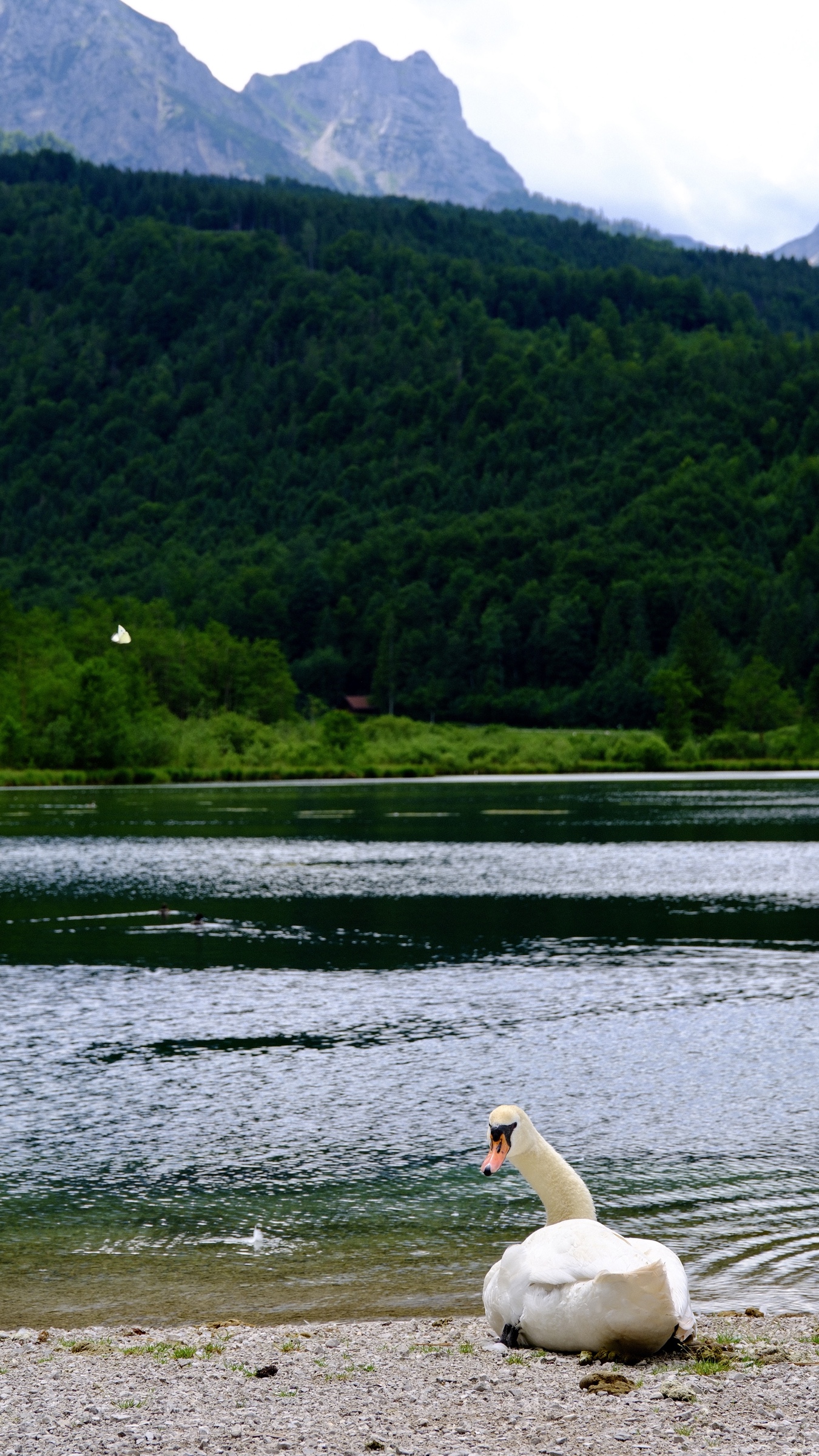
The swans looked entirely at home.
Mute swans like shallow water, underwater plants, and quiet wetland edges. Almsee offers all three. Its margins are not empty scenery. They are a working habitat for birds, fish, aquatic plants, and all the small lives that prefer not to announce themselves.
The swans, on the other hand, seemed very comfortable with publicity.
Trout beside the water
At the southern end of Almsee stands a white chapel with a tiny bell tower. Around it are flower beds, old wooden details, a decorated cart, and tables beneath the mountains.
This is Gasthof Seehaus, built by Kremsmünster Abbey in 1652. The chapel is still used for baptisms. The restaurant serves Austrian food built around seasonal and regional ingredients.
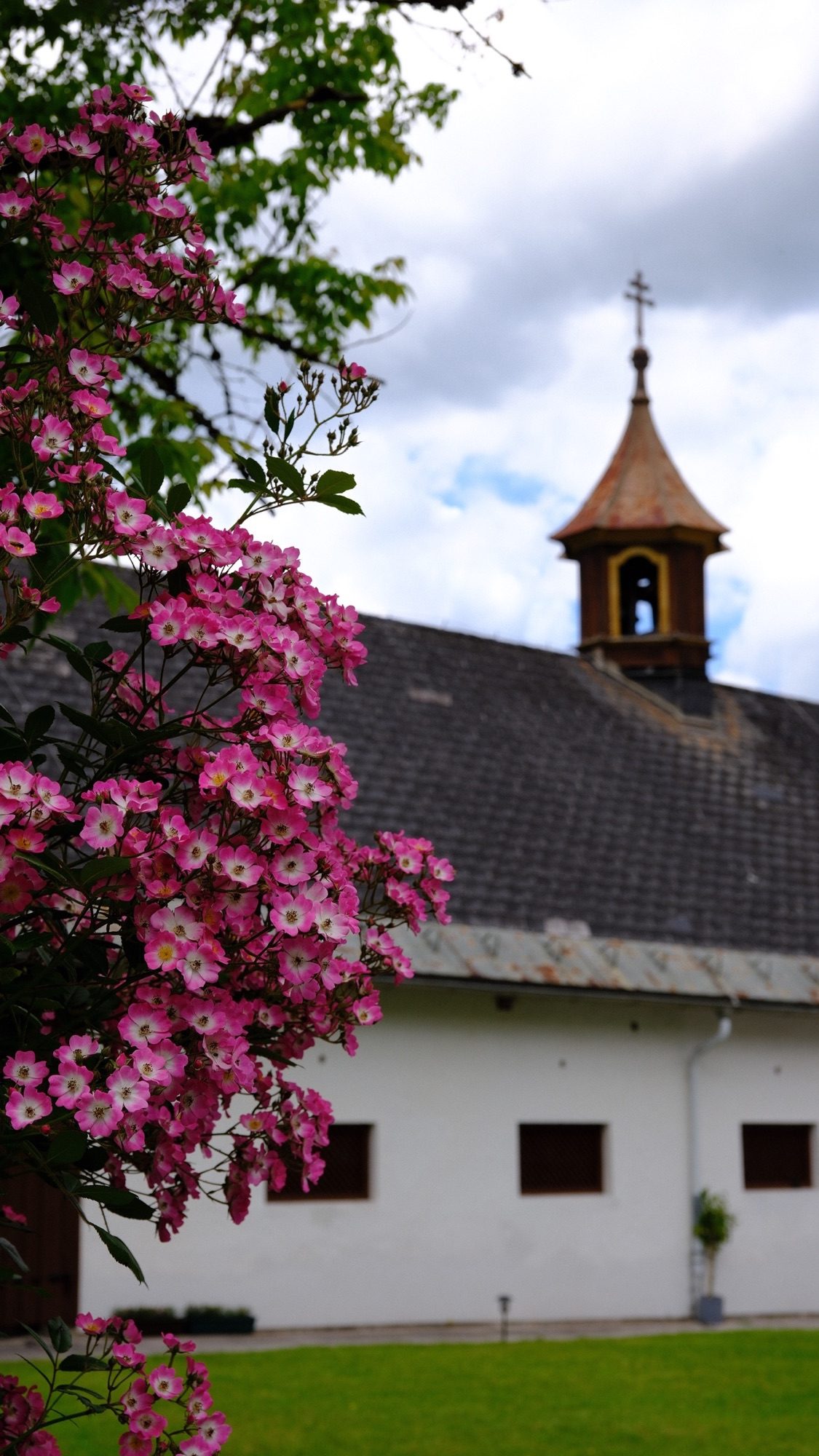
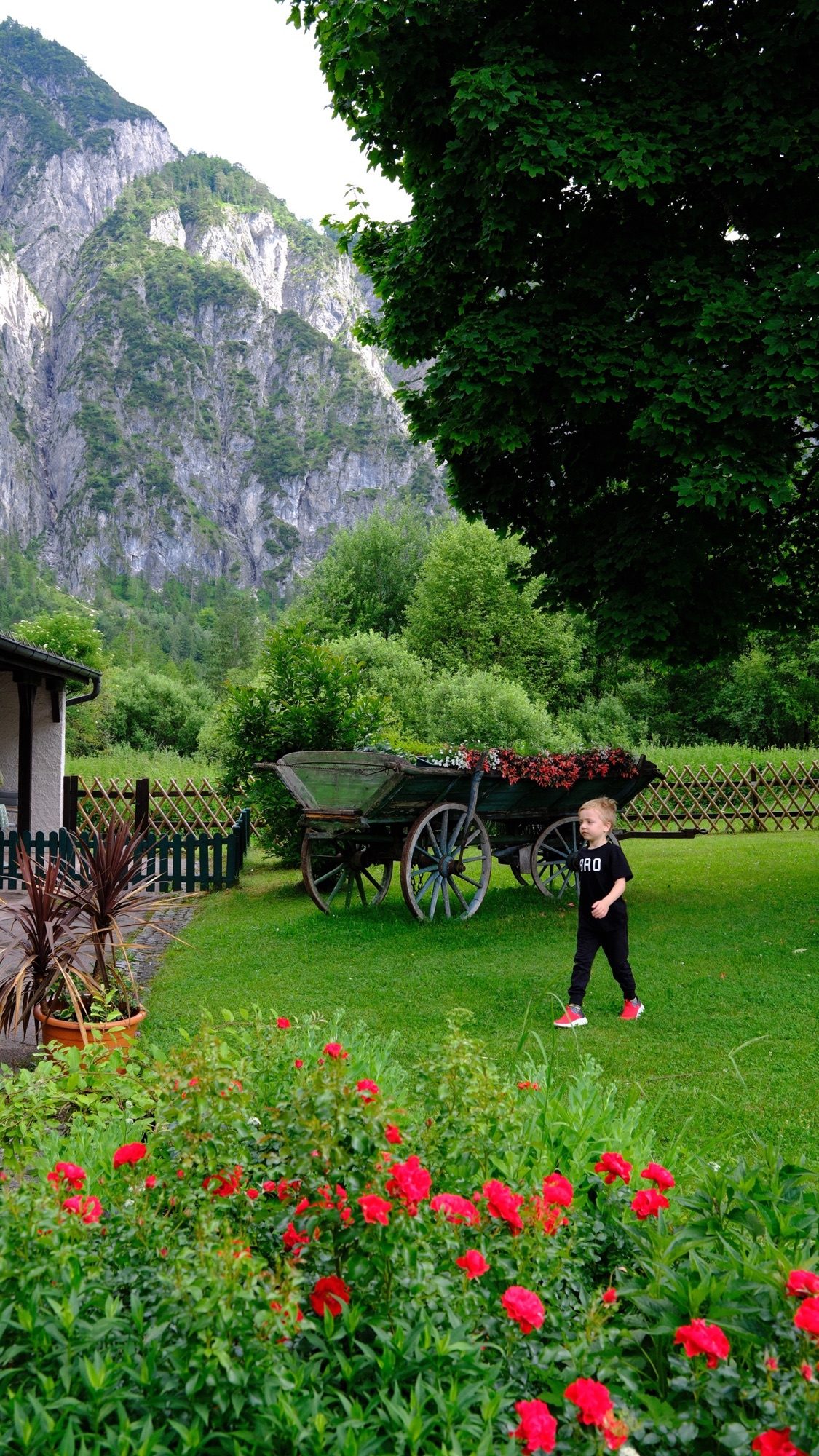
We ate Gebratene Forelle with potatoes.
Simple. Generous. Exactly right beside a cold mountain lake.
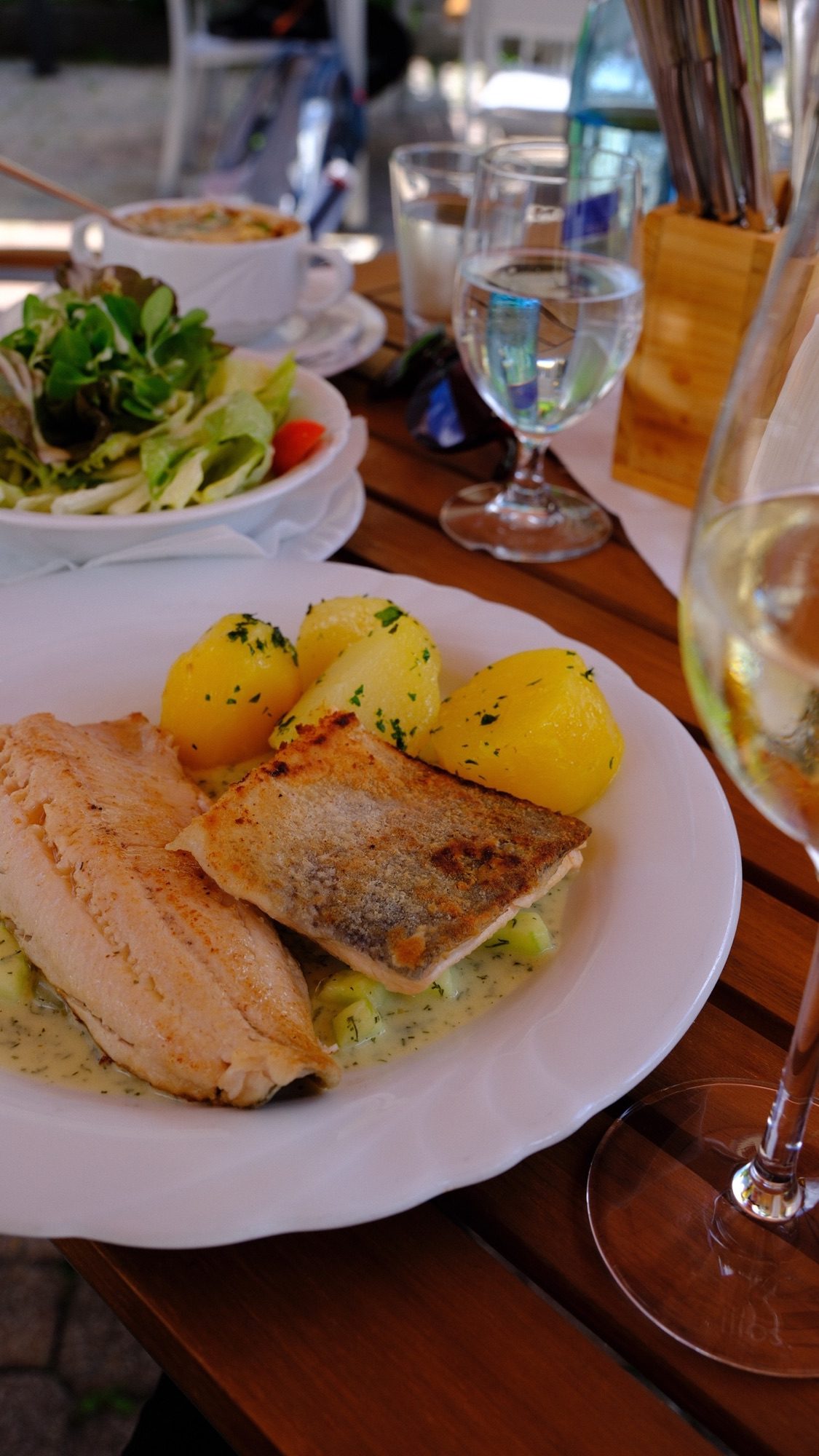
Trout, char, and grayling live in the cold waters of Almsee and the Alm River. Fishing here reaches far back into the valley’s history.
There was something reassuring about eating trout in a place that had been thinking about trout for centuries.
We were late to the conversation, but lunch was still served.
What stayed with me was not only the meal. It was the relationship between the restaurant and the landscape.
The Seehaus did not compete with Almsee.
It answered it.
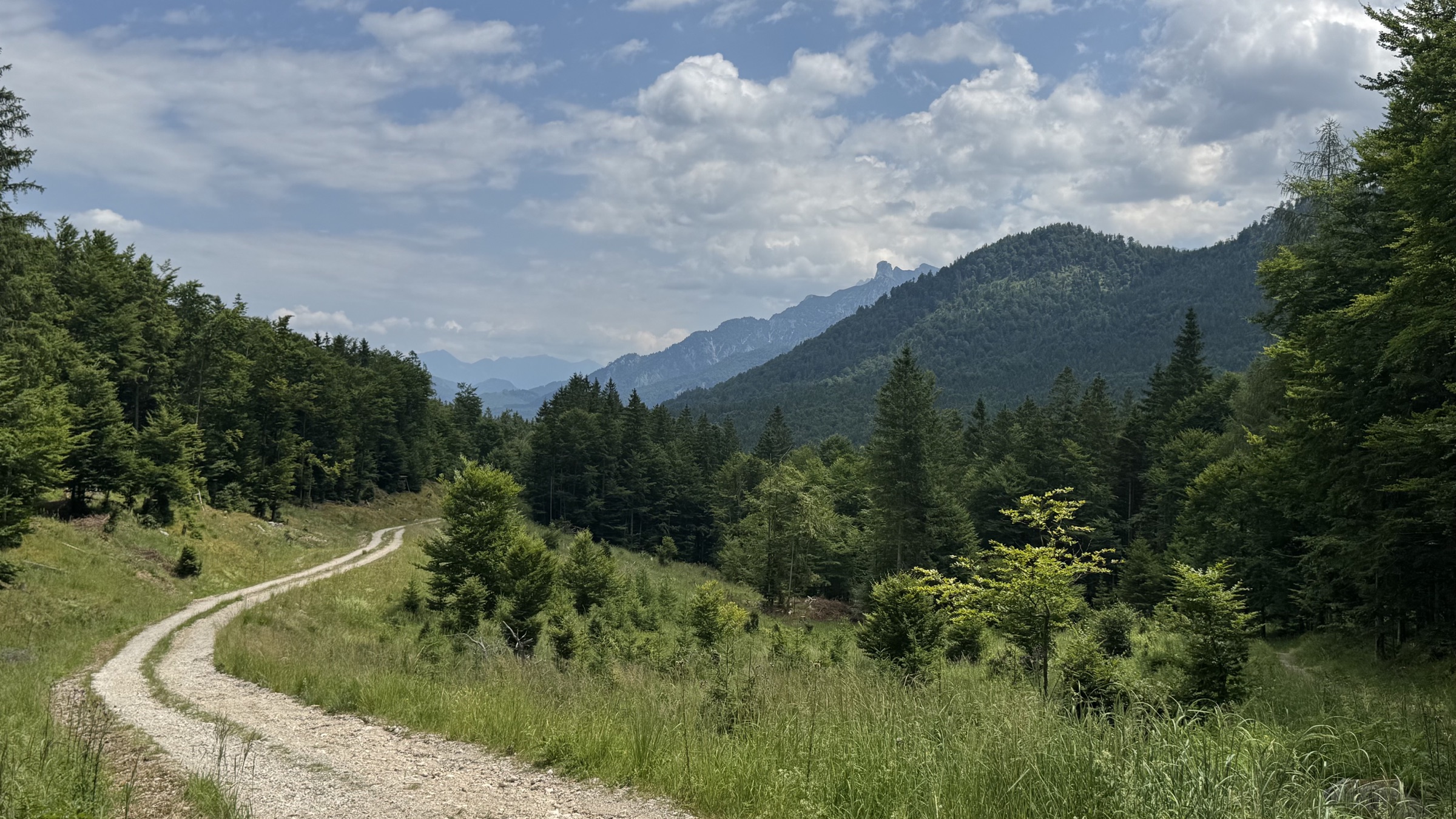
We also moved through the landscape on bikes, along roads that narrowed into pale gravel and disappeared between the trees. Around Almsee, even getting somewhere felt like part of being there.
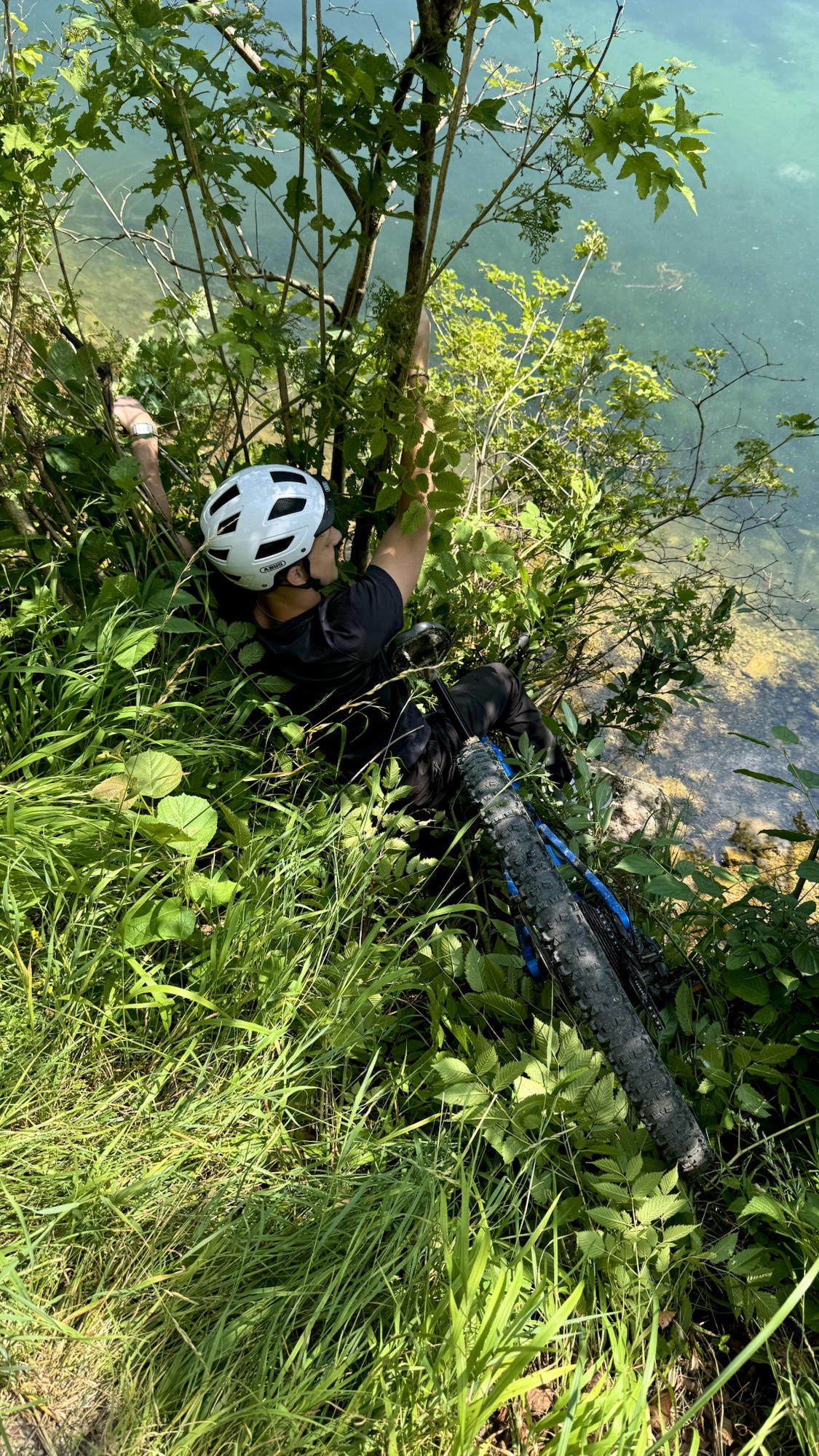
One of those rides nearly ended in the lake.
My older son had been riding behind me until suddenly he was not. I turned around and found him dangling from a tree above the water. From the path, you could not tell how far below the lake was, but the fall was frighteningly real.
I was terrified. He had a request.
Before I helped him, he asked me to take a picture because, as he explained, “The best moments can’t be forgotten.”
I was trying to save a child. He was preserving the family archive.
Along the way, the grand scenery kept being interrupted by small things.
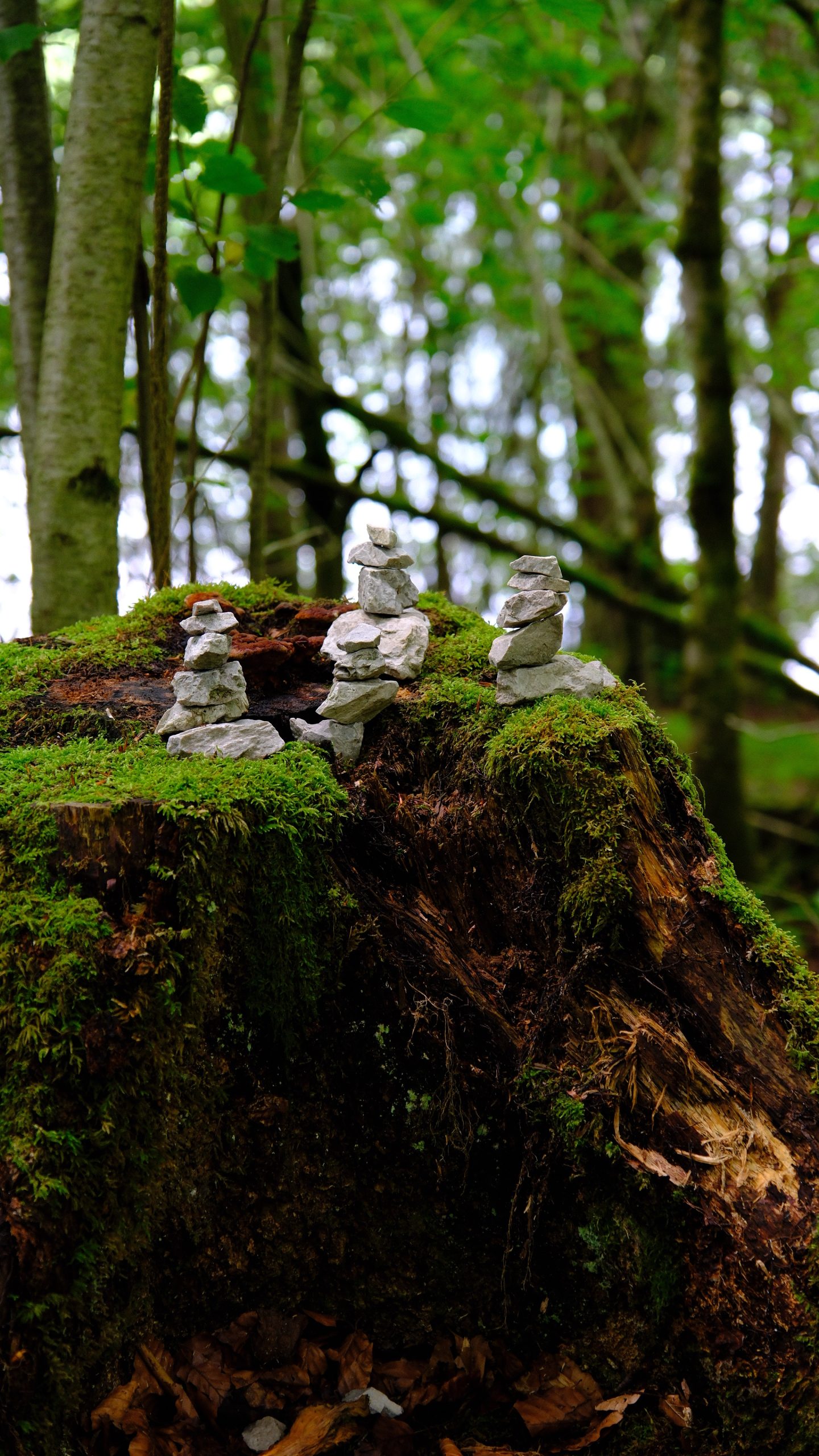
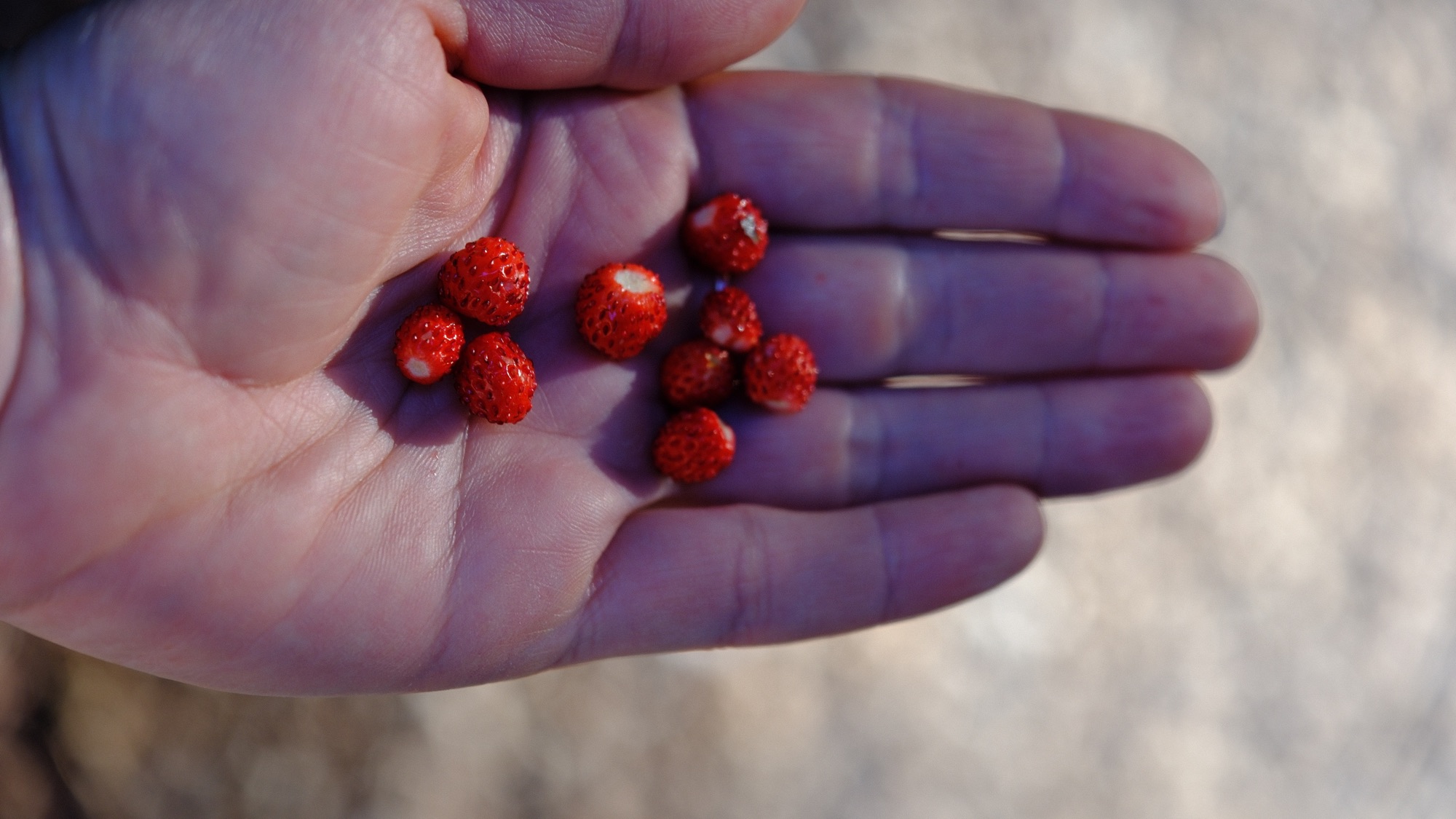
Someone had balanced miniature towers of stone on a mossy stump, a tiny mountain range inside the forest. Nearby, wild strawberries offered themselves in portions suitable for woodland fairies.
A well-dressed devil in the woods
This is exactly the kind of forest that invites a legend.
Near Grünau is a cave called the Gugulutz-Kira, or Kuckuckskirche. Local folklore says the devil once lived there.
By day, he disguised himself as a fox. At night, he became a handsome young hunter and attended the local dances.
He dressed elegantly and wore white gloves, but the disguise eventually failed. One version says a young woman discovered his frightening hands. Another says she noticed his cloven feet.
Either way, the lesson is clear.
Never neglect the accessories.
A priest later confronted him at the cave. Unable to leave through the blocked entrance, the devil tore another opening through the rock. The marks of his escape, the story says, can still be seen.
I like that this peaceful valley keeps a mischievous devil tucked into its folklore.
The Almtal does not treat nature as empty scenery. Caves hold stories. The lake carries old fishing traditions. Even an ordinary forest path seems to lead into another layer of the valley.
The valley even answers back.
On summer evenings at Almsee, musicians play toward the mountain walls during the traditional Echoblasen. They pause, and the Totes Gebirge returns the melody.
People play.
The mountains reply.
What Almsee brought home
I had expected to admire Austria’s landscape.
I had not expected it to change how I thought about my own surroundings.
Around Almsee, care was visible everywhere. In protected water and forest, but also in flower boxes, clean windows, old timber, pathways, meals, and the smallest objects arranged around a restaurant.
The people of the valley seemed to love their land not only by looking at it, but by making their own spaces worthy of it.
That stayed with me.
It made me want to care more deliberately for the space I create around myself. The table we set. The flowers we plant. The things we keep. The corner we have been meaning to attend to but somehow walk past every day.
Beauty there was not simply consumed as a view.
It was answered through a way of living.
I came home wanting to begin the same conversation.
Although perhaps with fewer swans and, ideally, no elegantly dressed devils.