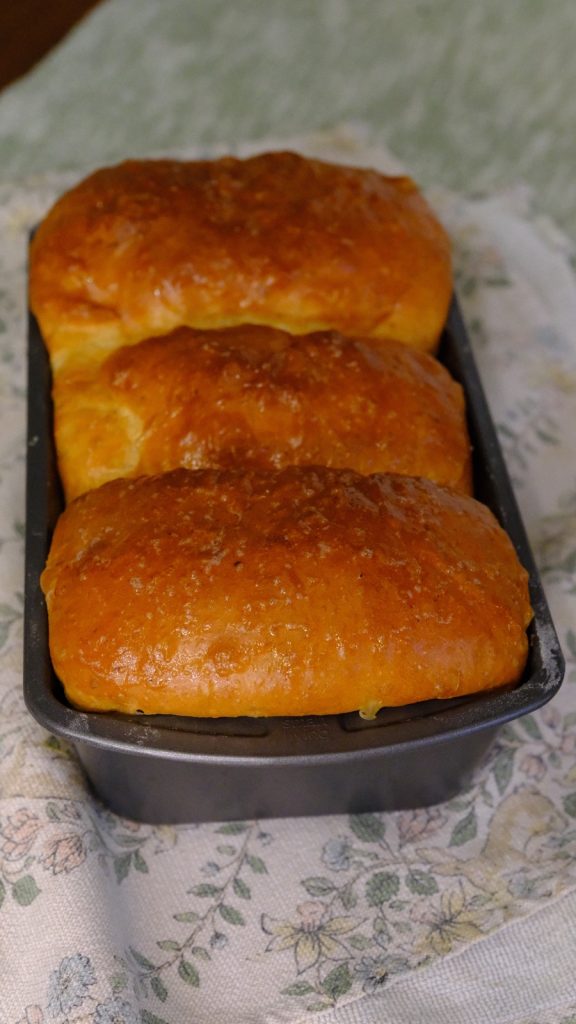
Soft Whole Wheat and Oat Bran Milk Bread

For nearly a decade, I kept a sourdough starter alive and planned bread around its moods. A loaf often began two days before I wanted to eat it, with feedings, timing calculations, and the quiet suspicion that the starter had become less of an ingredient and more of a flour-fed dependent.
Eventually, I decided that enjoying excellent bread at home did not have to be quite so complicated. This whole wheat and oat bran milk bread is soft, flexible, and deeply satisfying, without requiring me to consult a jar before making plans for the weekend.
What sourdough taught me
I am still grateful for that long sourdough chapter. It made me a better baker and taught me how yeast, fermentation, temperature, and time work together. After years of watching dough change slowly, I became better at recognizing when it needed more time and when it was ready to move on.
I think of it in much the same way as driving a stick shift. I know how to do it, and learning it helped me understand what the car is doing. That does not mean I want to work a clutch every time I run out for milk. Sourdough gave me useful instincts, but I no longer believe every good loaf needs to become a two-day relationship.
The flavor of this bread is gentle but not plain. Whole milk and honey give it a subtle sweetness, while whole-wheat flour and oat bran bring a quiet, nutty depth. It is soft enough for breakfast toast and simple enough to place beside dinner, especially when still slightly warm and brushed with butter.
The crumb I was looking for
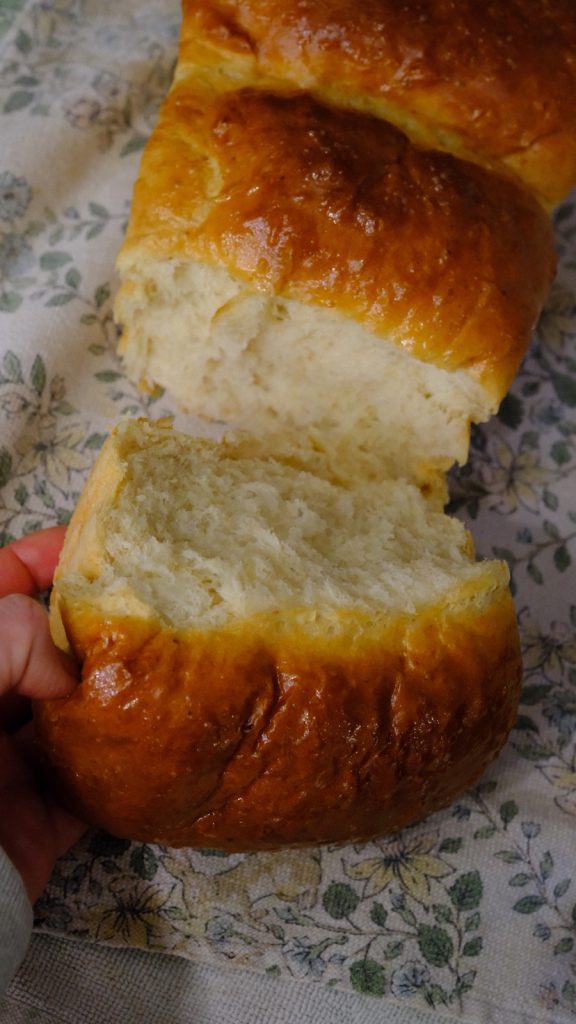
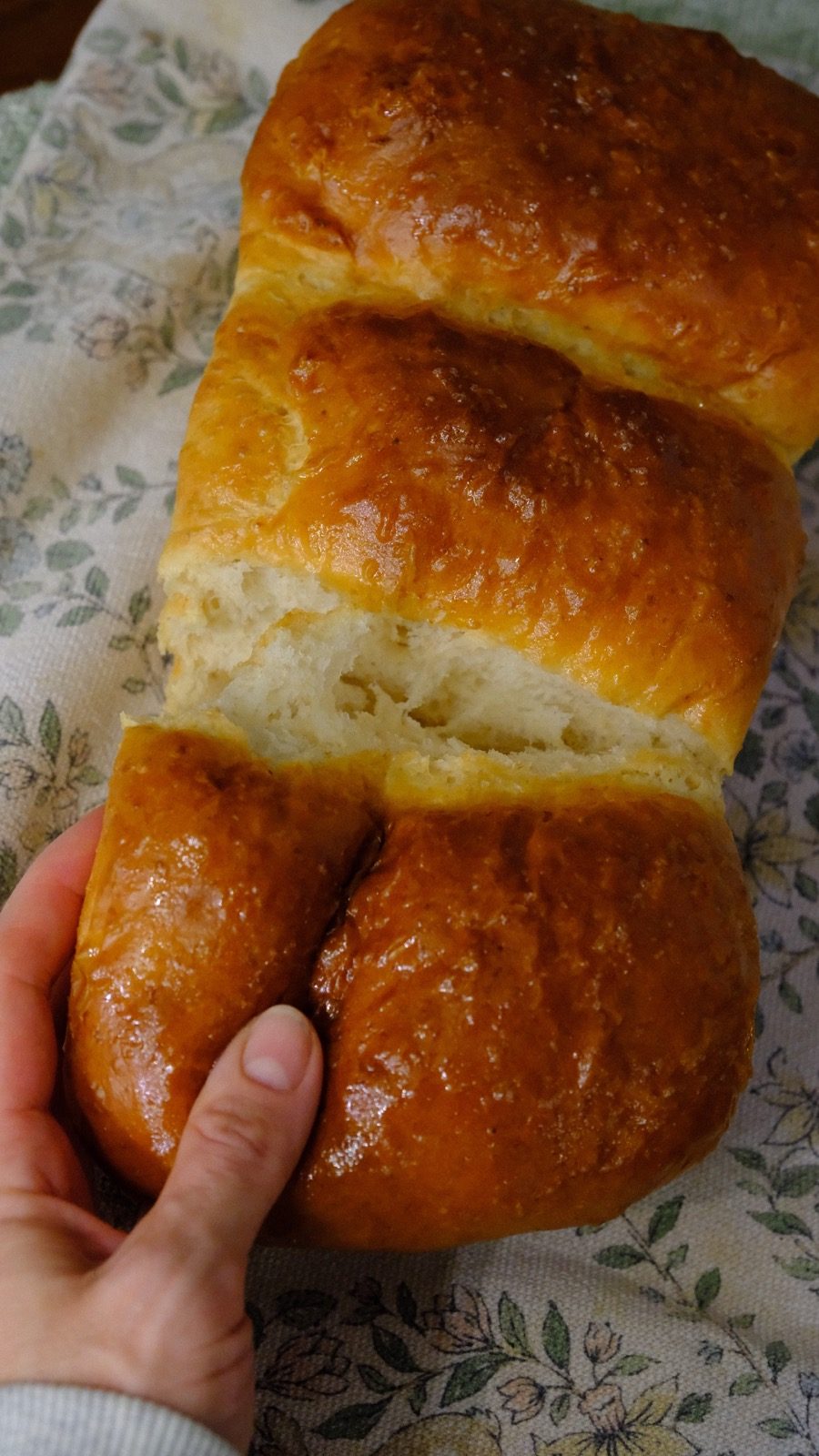
The best part of this loaf is not only that it feels soft. It has a pulling crumb that separates into fine, feathery layers instead of breaking into dry pieces. A slice can bend in your hand, and a piece torn from the loaf stays supple rather than scattering crumbs across the table.
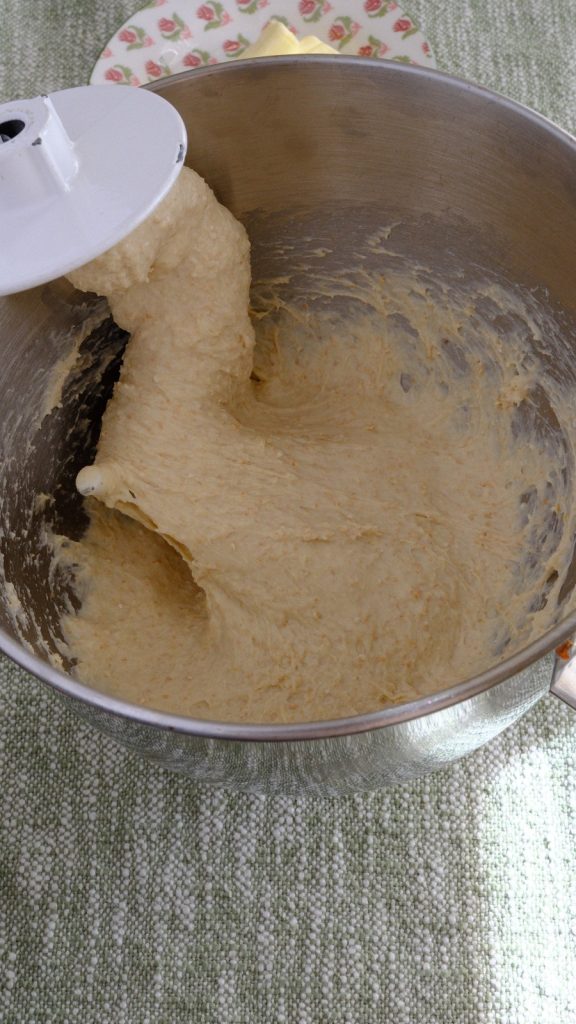
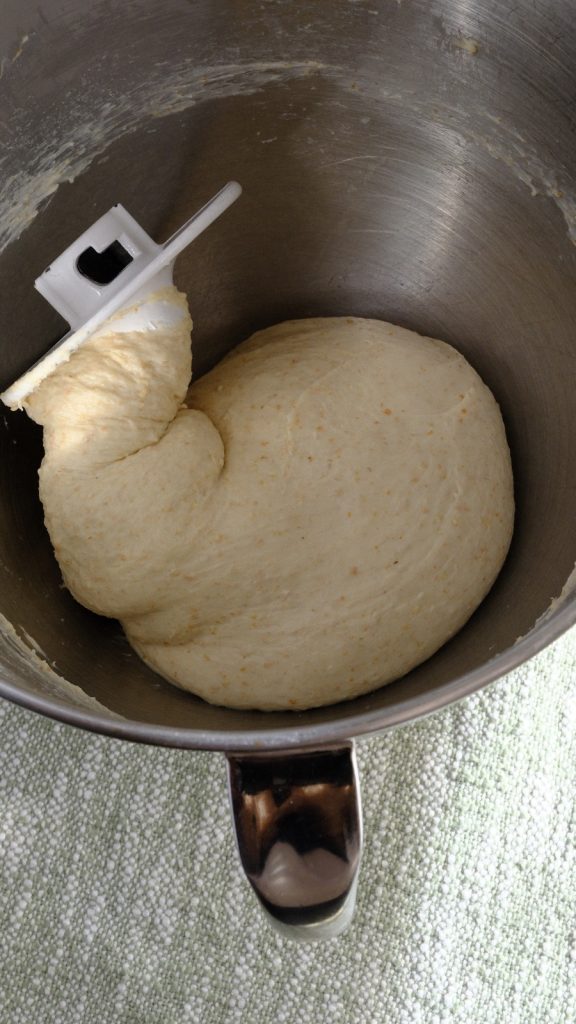
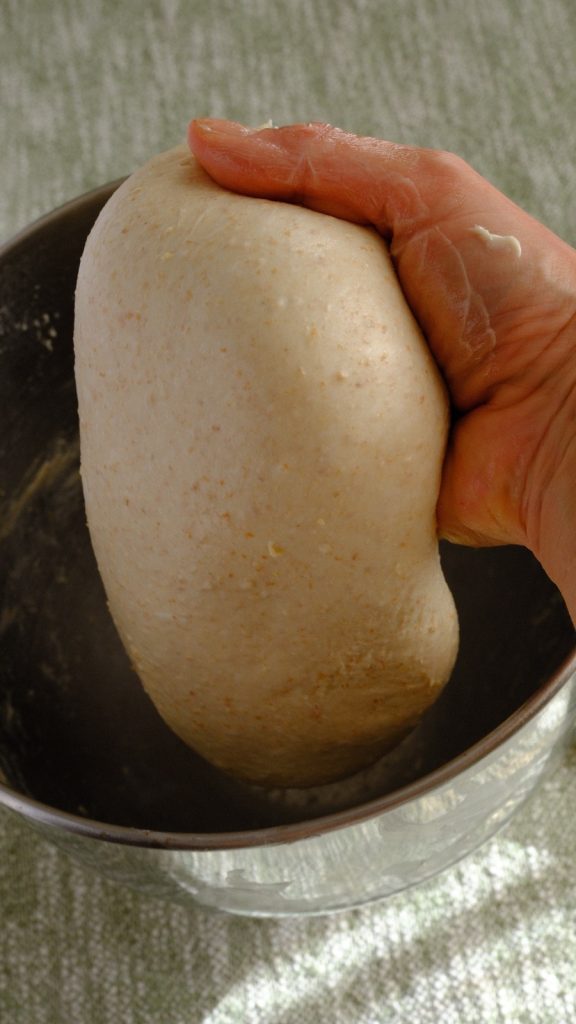
A small tangzhong helps create that texture. Cooking a portion of the flour and milk into a smooth paste allows the dough to hold more moisture. This is a very hydrated dough. Keep mixing until the loose, sticky mixture comes together and becomes cohesive, glossy, and noticeably stretchy.
1. Prepare the tangzhong and yeast
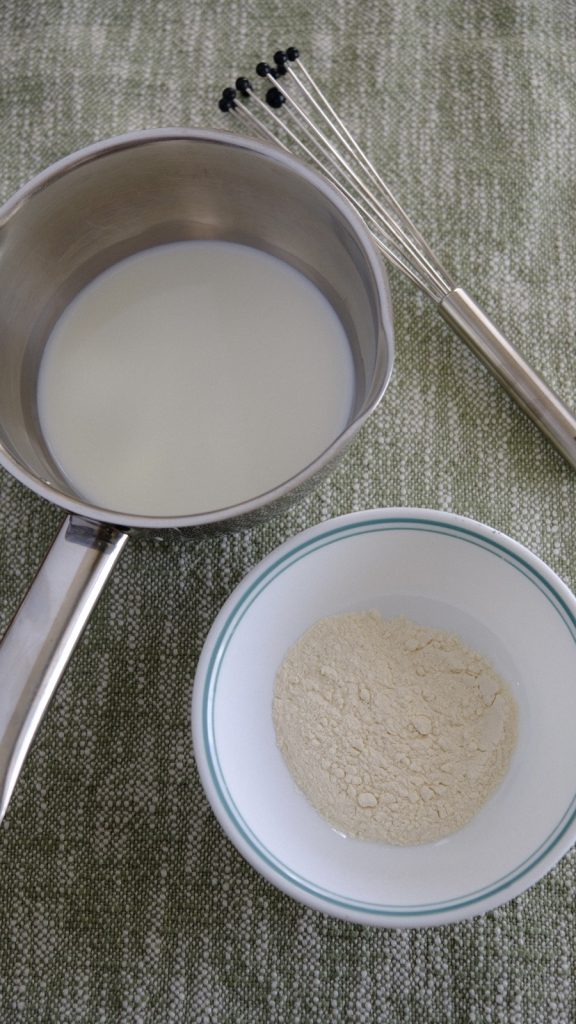
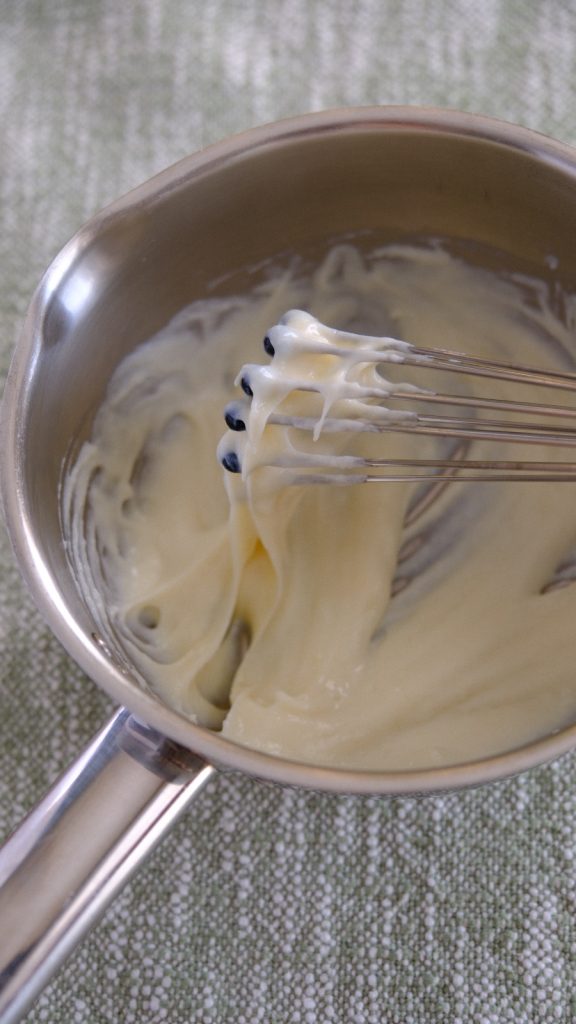
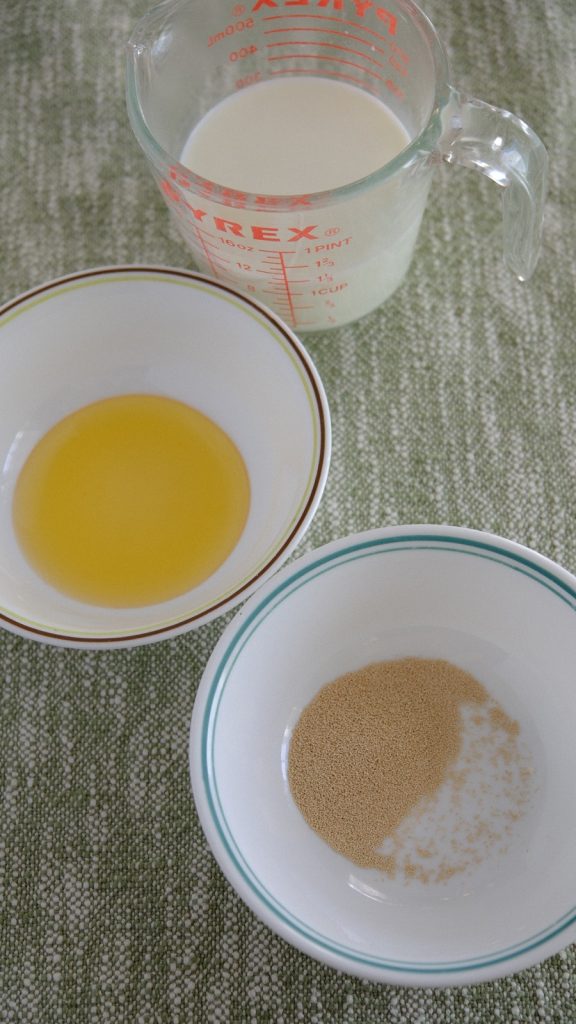
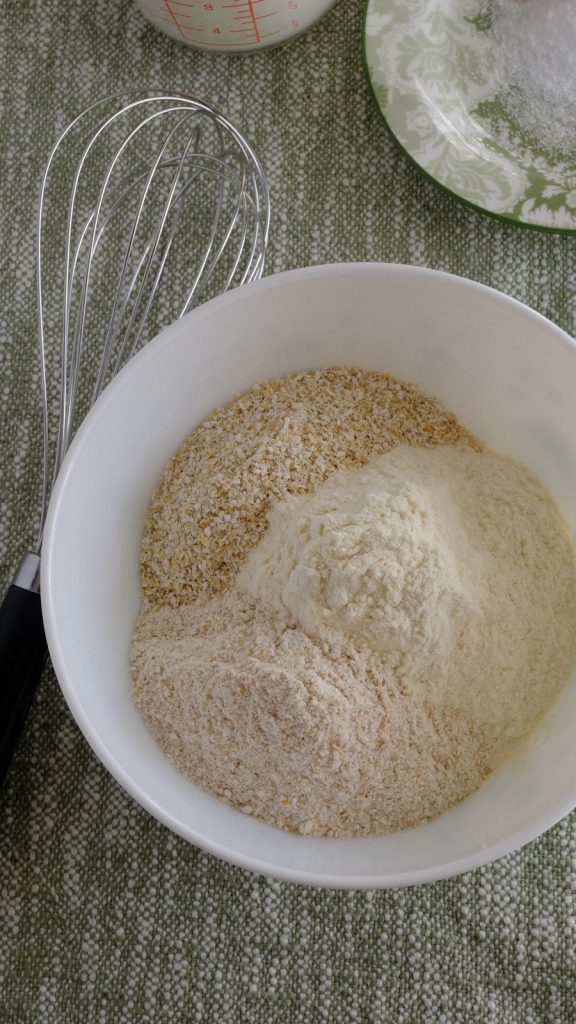
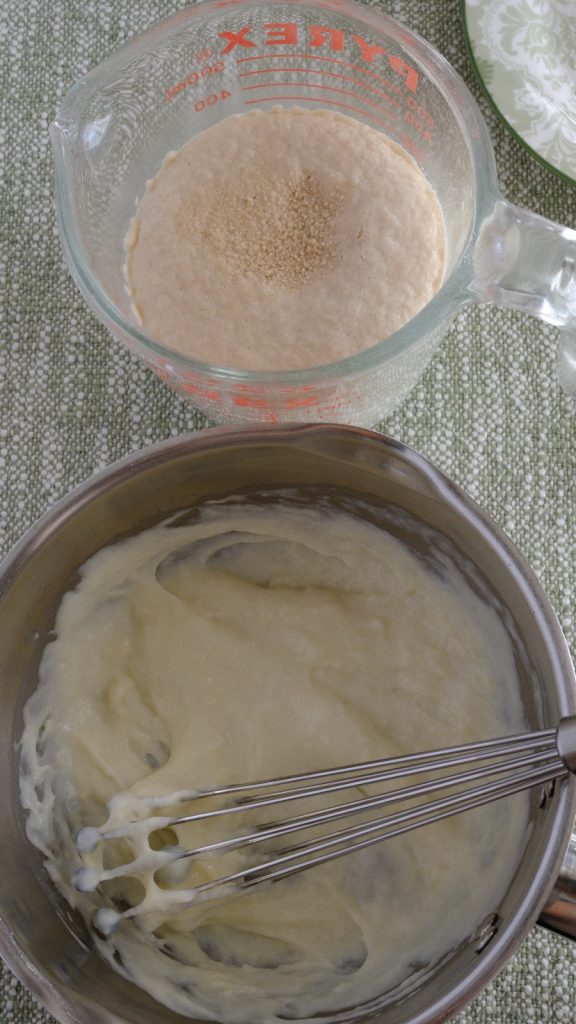
Cook the flour and milk into a smooth, thick paste, then let it cool until just warm. While it cools, combine the warm milk and honey and let the yeast stand until foamy. Measure the flours and oat bran while both mixtures are readying themselves.
2. Bring the dough together
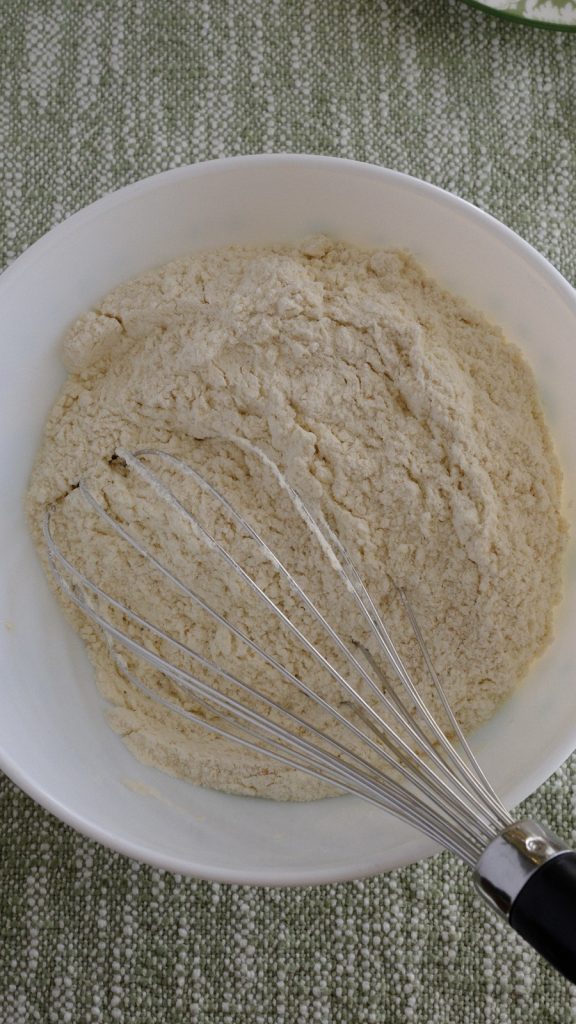
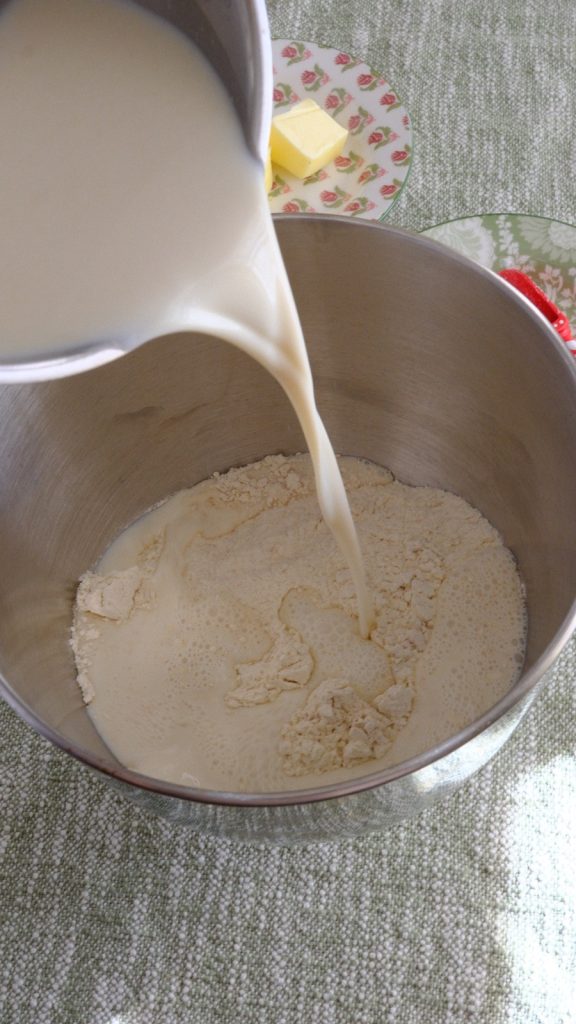
Whisk the dry ingredients together, then add the cooled tangzhong and the foamy milk mixture to the stand mixer. Use the dough hook to mix just until no dry flour remains, then begin the first long mix.
What makes the loaf so soft
This is a very soft, highly hydrated dough. A stand mixer fitted with the dough hook is important here because the dough needs sustained mixing at medium to high speed. Resist the temptation to make it easier to handle with extra flour. The balance of moisture, mixing, rest, and a complete final proof is what gives the bread its delicate texture.
3. Mix, rest, and add the salt
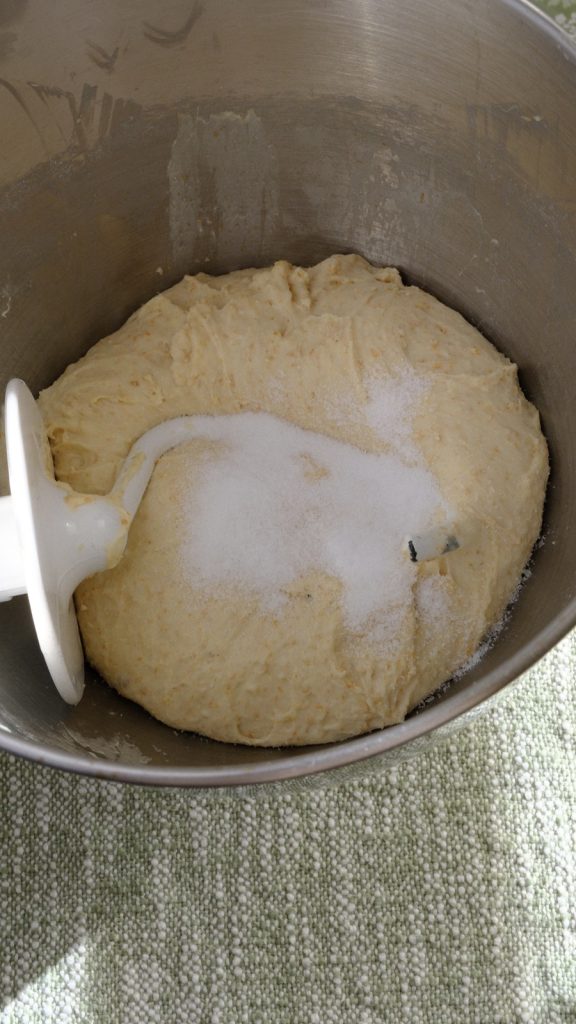
Mix without salt or butter at medium to high speed for 8 to 10 minutes. Cover and rest for 10 to 15 minutes, add the salt, then mix for another 8 to 10 minutes. Cover the bowl and give the dough a second 10- to 15-minute rest before adding any butter.
4. Work in the butter and let the dough rise
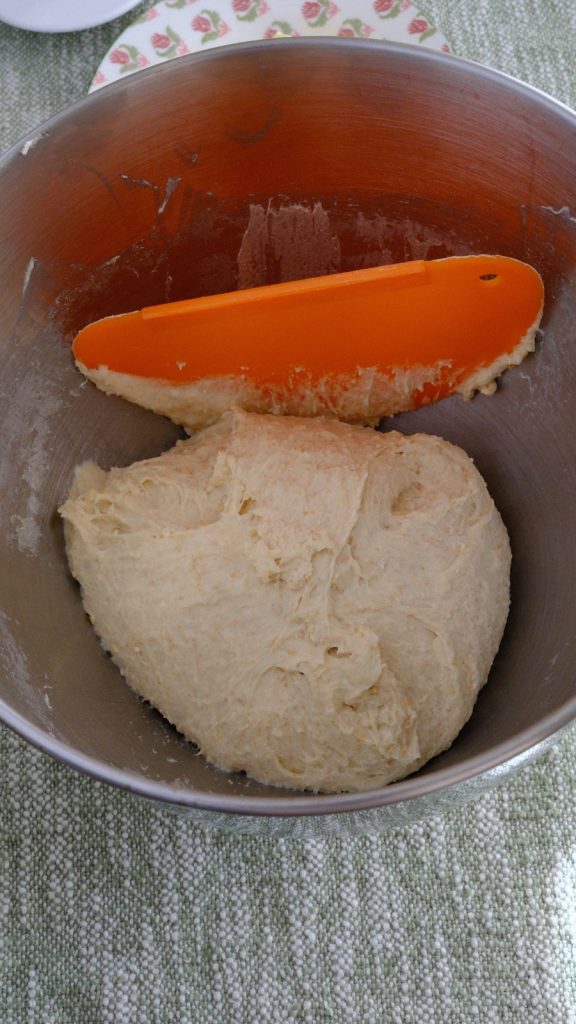
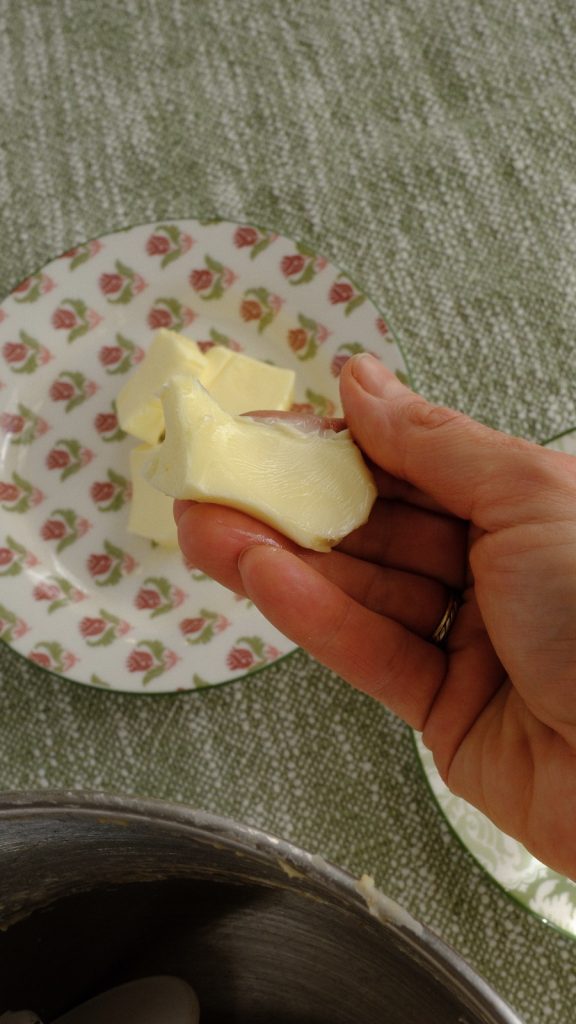
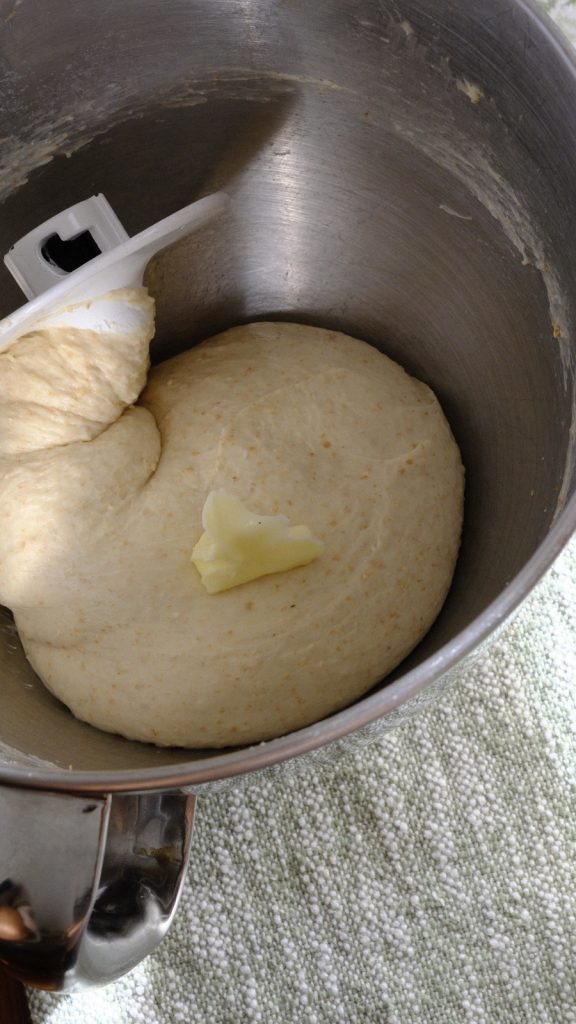
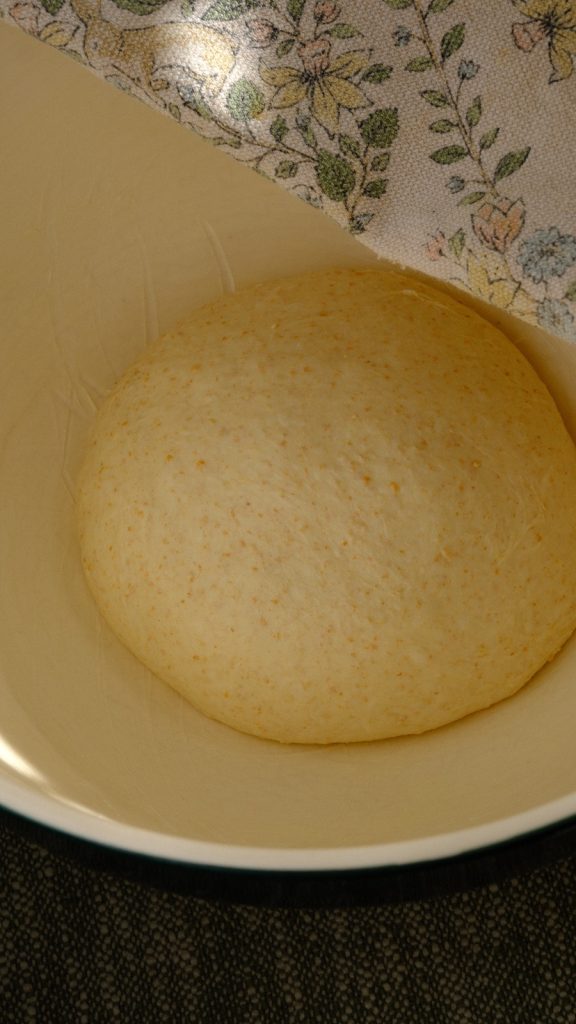
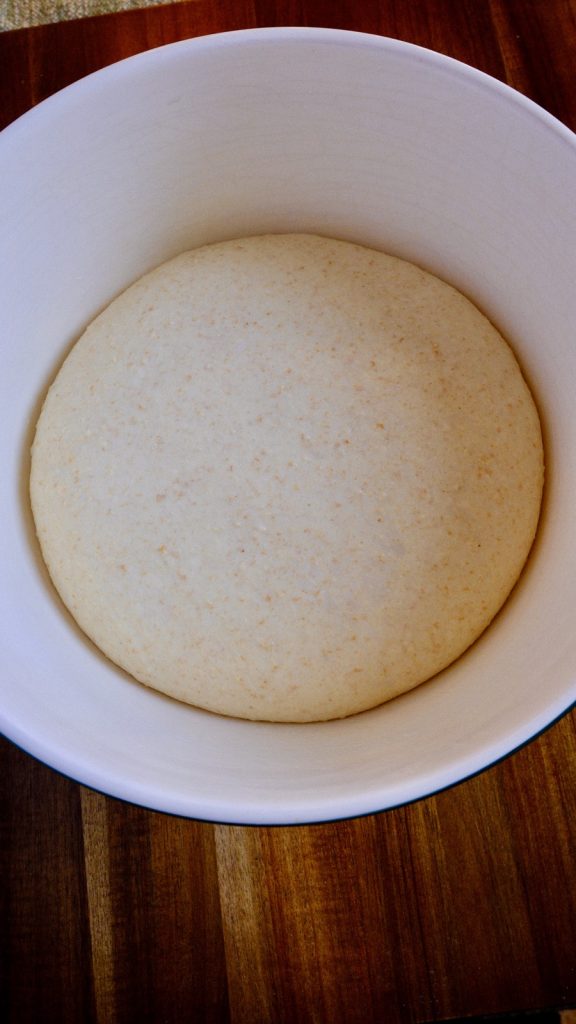
Add the very soft butter about 1 tablespoon at a time, waiting until each addition disappears before adding the next. Continue mixing until this very hydrated dough comes together around the hook and looks smooth, glossy, and stretchy. Cover and let it rise until approximately doubled.
Shaping the loaf
5. Divide, rest, and fold
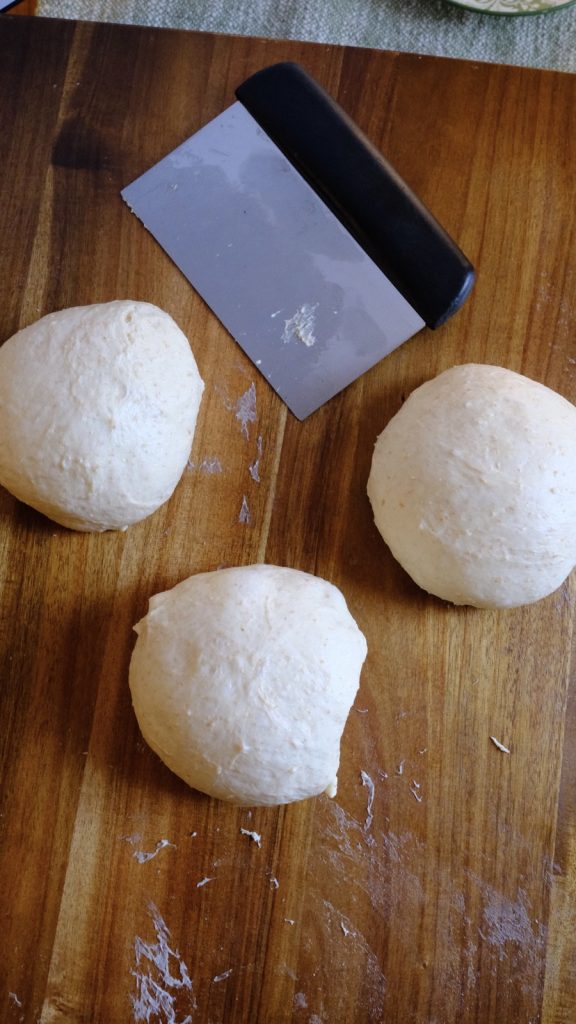
Turn out the risen dough without forcefully deflating it. Divide it into three equal pieces, round them gently, and let them rest for 10 minutes. Ease each piece into a rectangle and fold it like a letter, taking care not to squeeze out all the air.
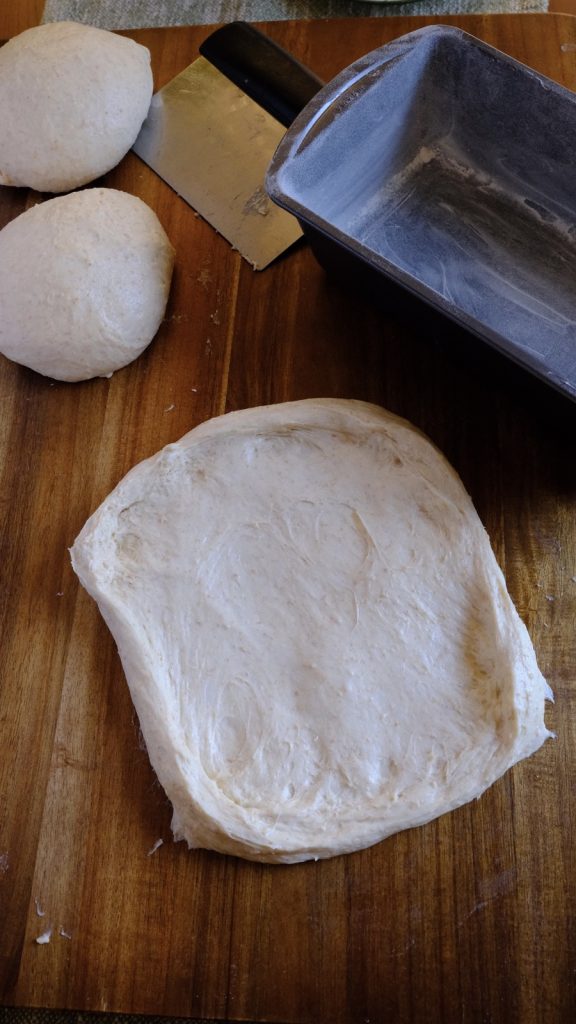
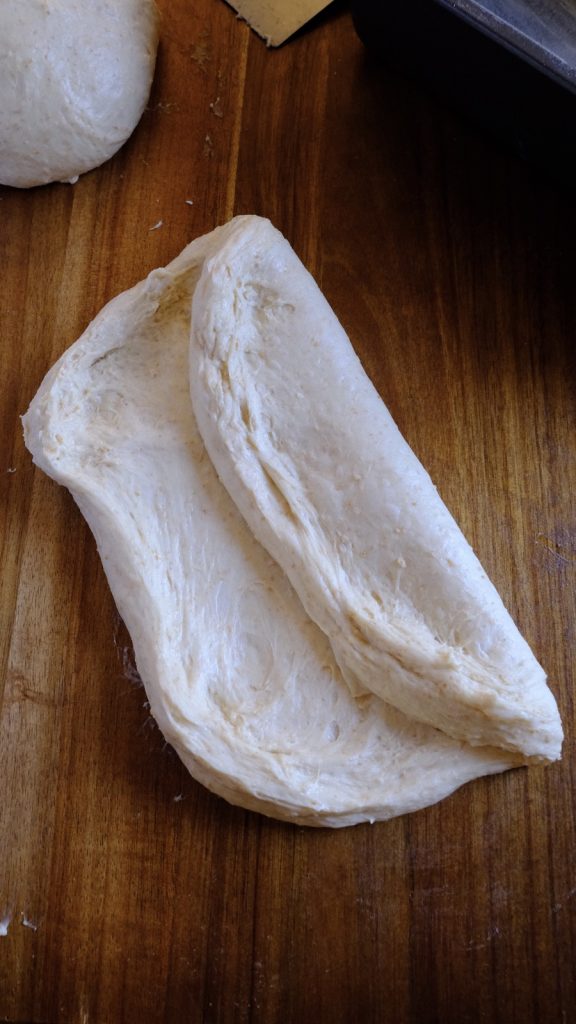
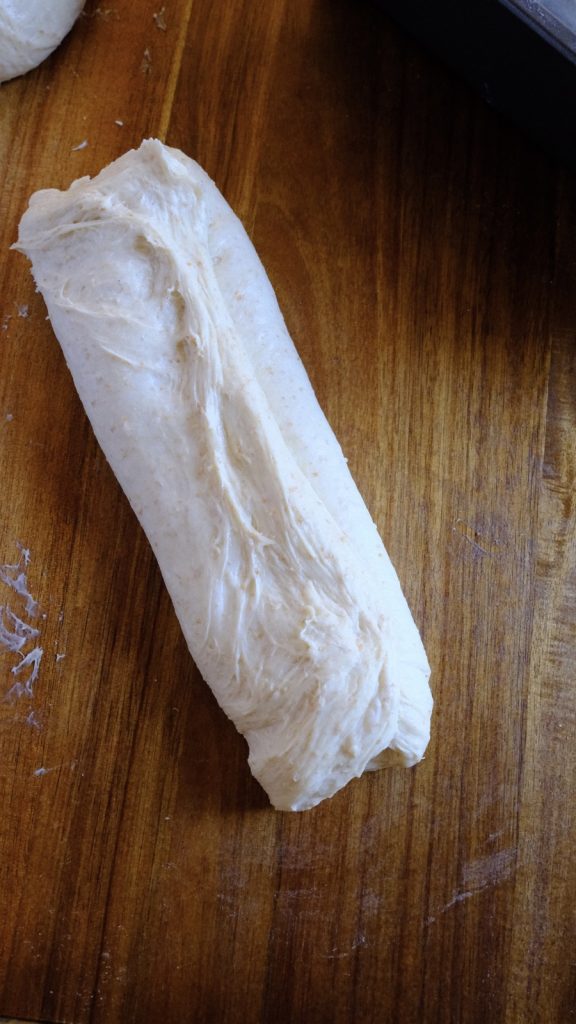
6. Shape and proof
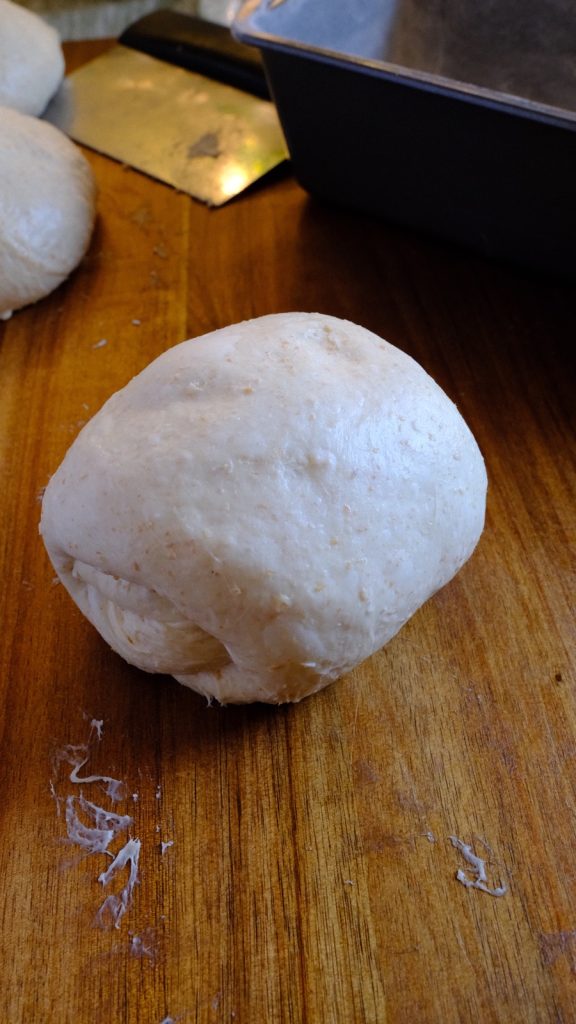
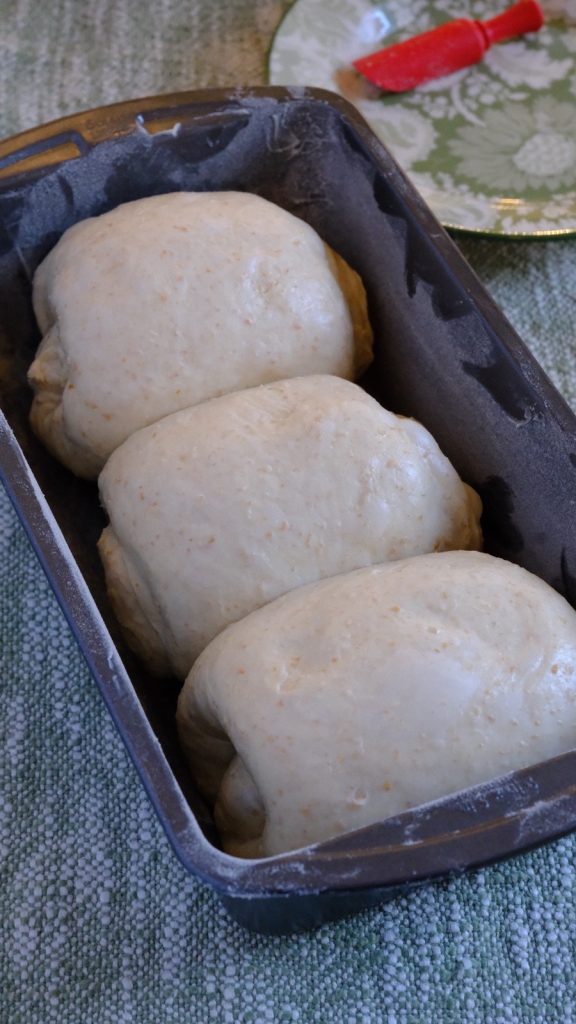
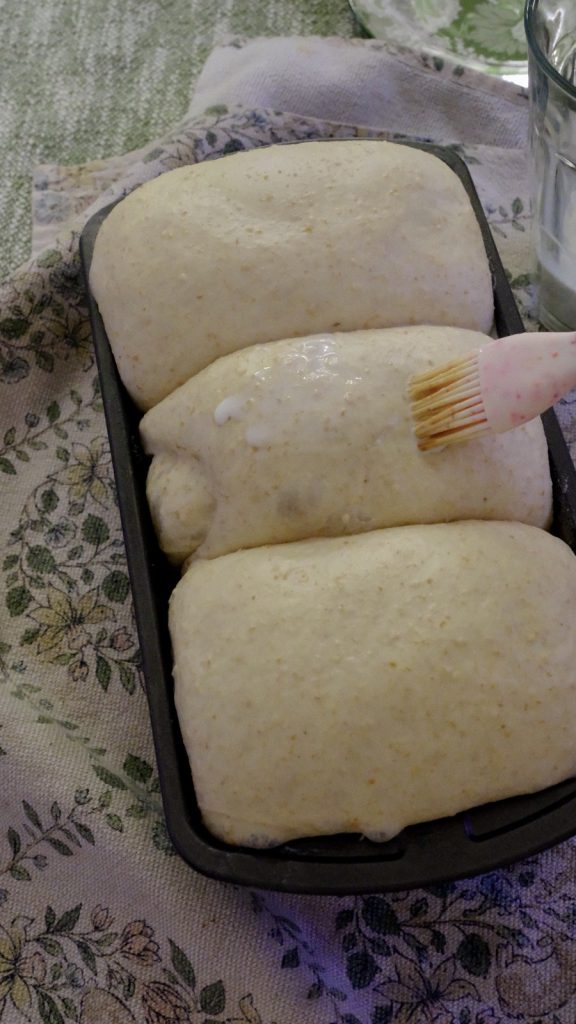
Gather each folded piece into a smooth ball and arrange the three balls seam-side down in the greased pan. Cover and wait until the dough is very puffy and rises about 2 to 3 centimeters above the rim. Brush the top lightly with milk just before baking.
Cadre Nomade recipe
Soft Whole Wheat and Oat Bran Milk Bread
A tender, lightly honeyed milk bread with whole wheat and oat bran and a flexible pull-apart crumb.
Ingredients
For the tangzhong
- 20 g bread flour
- 100 g whole milk
For the dough
- 290 g whole milk, warm
- 30 g honey
- 6 g active dry yeast
- 300 g bread flour
- 40 g whole-wheat flour
- 20 g oat bran
- 7.5 g fine sea salt
- 50 g unsalted butter, very soft
For finishing
- Whole milk, for brushing
- Melted unsalted butter, for brushing
Method
- Make the tangzhong. Whisk 20 g bread flour and 100 g whole milk together in a small saucepan. Cook over medium-low heat, stirring constantly, until the mixture thickens into a smooth paste. Remove it from the heat and let it cool until just warm.
- Combine 290 g warm whole milk with 30 g honey. Sprinkle 6 g active dry yeast over the mixture and let it stand for 5 to 10 minutes, until foamy.
- Add the cooled tangzhong, 300 g bread flour, 40 g whole-wheat flour, and 20 g oat bran to the bowl of a stand mixer fitted with the dough hook. Mix briefly until no dry flour remains.
- Mix at medium to high speed for 8 to 10 minutes. Do not add the salt or butter yet. Cover the bowl and let the dough rest for 10 to 15 minutes.
- Add 7.5 g fine sea salt. Mix again at medium to high speed for 8 to 10 minutes, then cover and let the dough rest for another 10 to 15 minutes.
- Add the very soft butter about 1 tablespoon at a time, mixing until each addition is completely incorporated before adding the next. Continue mixing until the highly hydrated dough comes together around the hook and becomes smooth, glossy, and very stretchy. It should remain very soft and tacky. Do not add extra flour unless absolutely necessary.
- Cover and let the dough rise in a warm place for 60 to 90 minutes, or until approximately doubled in volume.
- Turn out the risen dough without forcefully deflating it. Divide it into 3 equal pieces and round each piece gently into a ball. Cover and let the portions rest for 10 minutes.
- Working gently so you do not squeeze out all the air, ease each piece into a rectangle. Fold it like a letter, then shape it into a ball. Arrange the 3 balls seam-side down in the prepared loaf pan.
- Cover and proof for 45 to 75 minutes, until the dough is very puffy and rises about 2 to 3 cm above the rim of the pan.
- Near the end of proofing, heat the oven to 350°F (175°C) on regular bake. Brush the top of the loaf lightly with milk.
- Bake for 30 to 35 minutes, until golden brown and the center of the loaf reaches 194 to 199°F (90 to 93°C).
- Brush the hot loaf immediately with a little melted butter. Let it stand in the pan for 5 to 10 minutes, then transfer it to a rack. Loosely cover it with a clean towel while it cools to keep the crust soft.
Finishing the loaf
7. Bake, butter, and cool
Bake until the loaf is golden and reaches 90 to 93°C at the center. Brush it immediately with melted butter, wait 5 to 10 minutes, then move it to a rack. Loosely cover it with a clean towel while it cools so the crust stays soft.