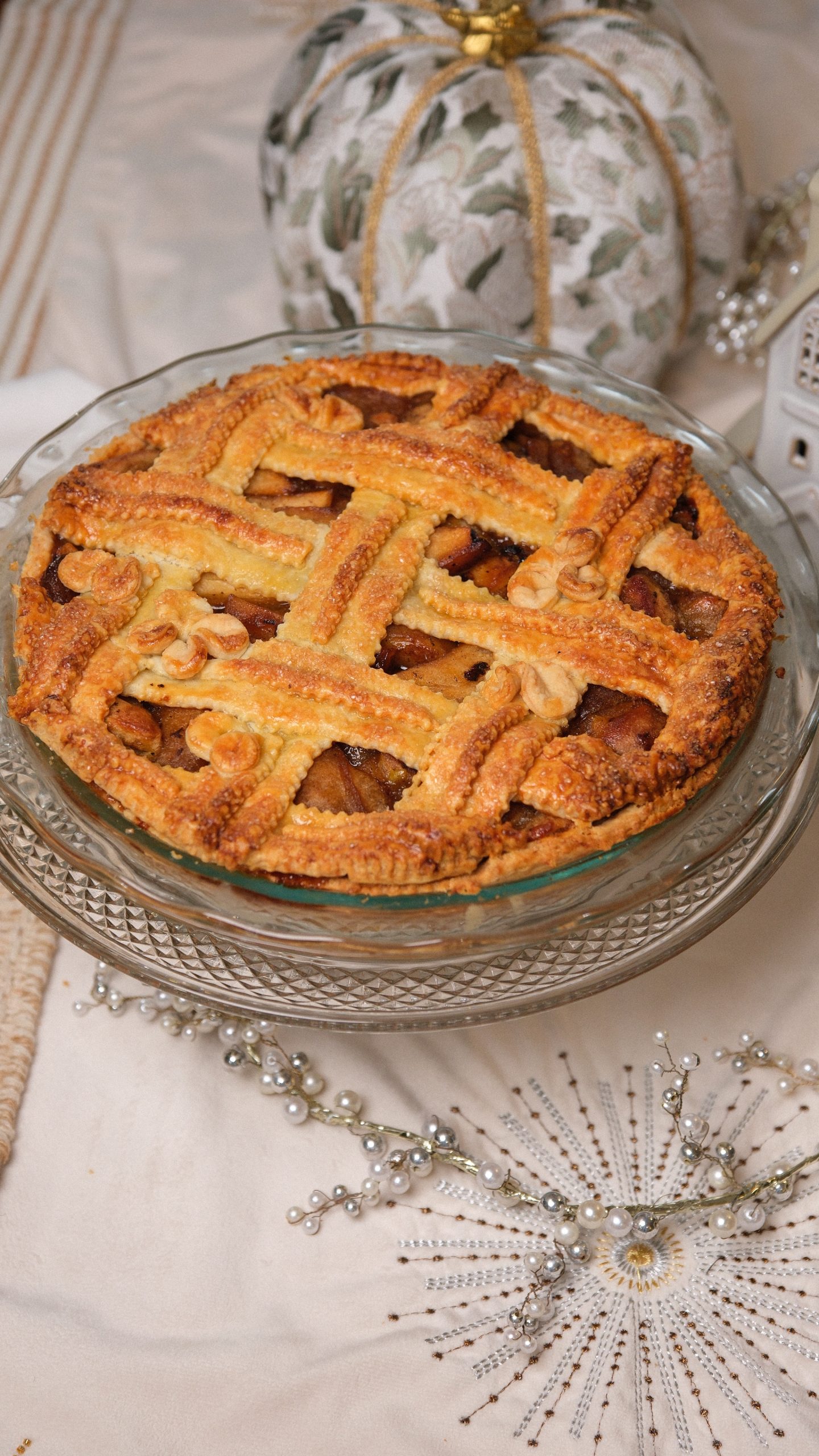
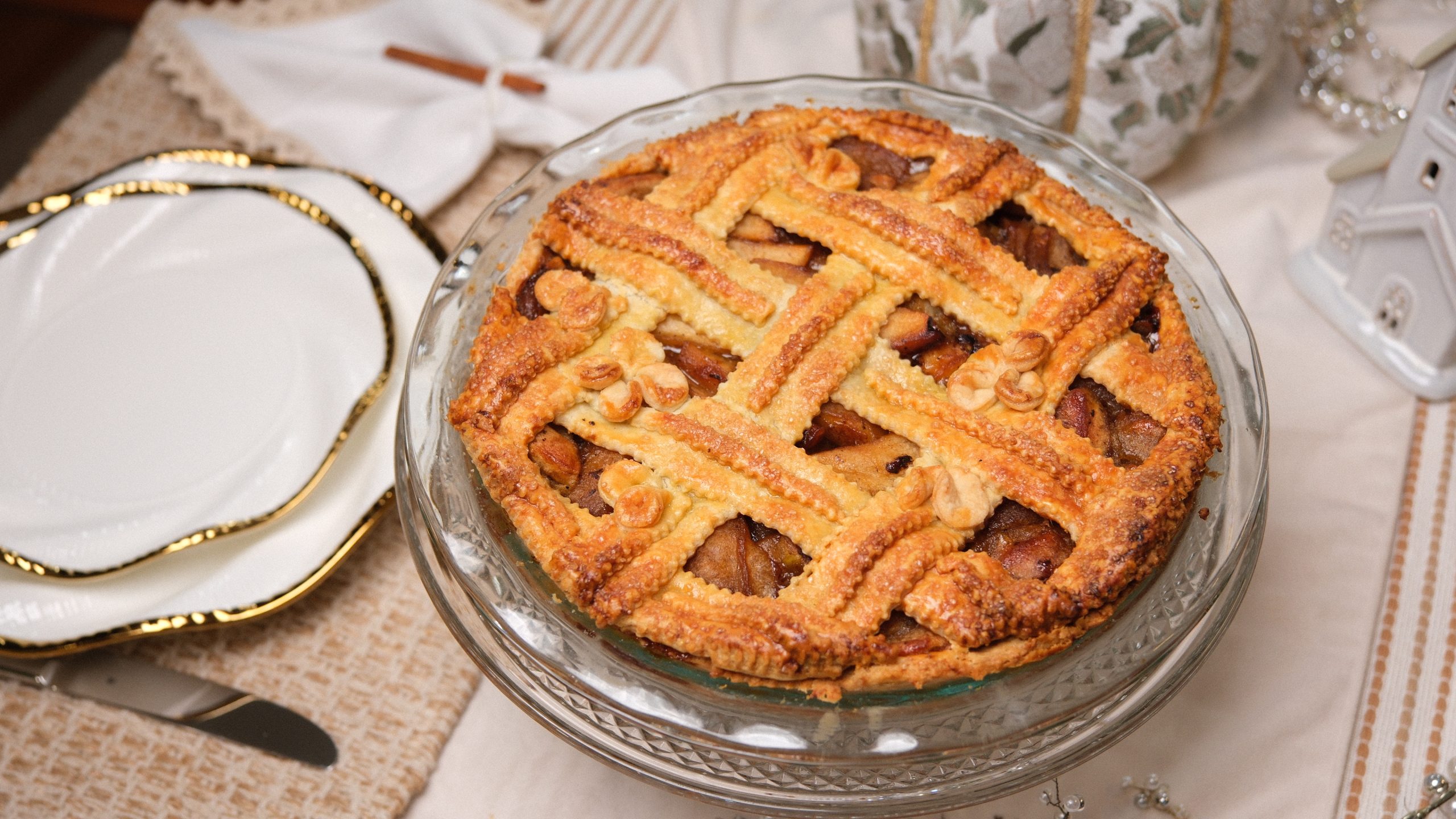
Caramelized Vanilla Apple Pie

With a Flaky Sour Cream & Vodka Crust
I make this caramelized vanilla apple pie with a dough I can trust when Thanksgiving is already asking enough of me. The apples are seared before baking for deep flavor without a watery filling. Cold sour cream keeps the pastry tender, vodka helps limit gluten, and just 25 grams of ice water brings the dough together. It rolls without a fight and still bakes into distinct, flaky layers.
I hope you keep your vodka in the freezer no matter the occasion. For this pie, at least, it is exactly where it belongs.
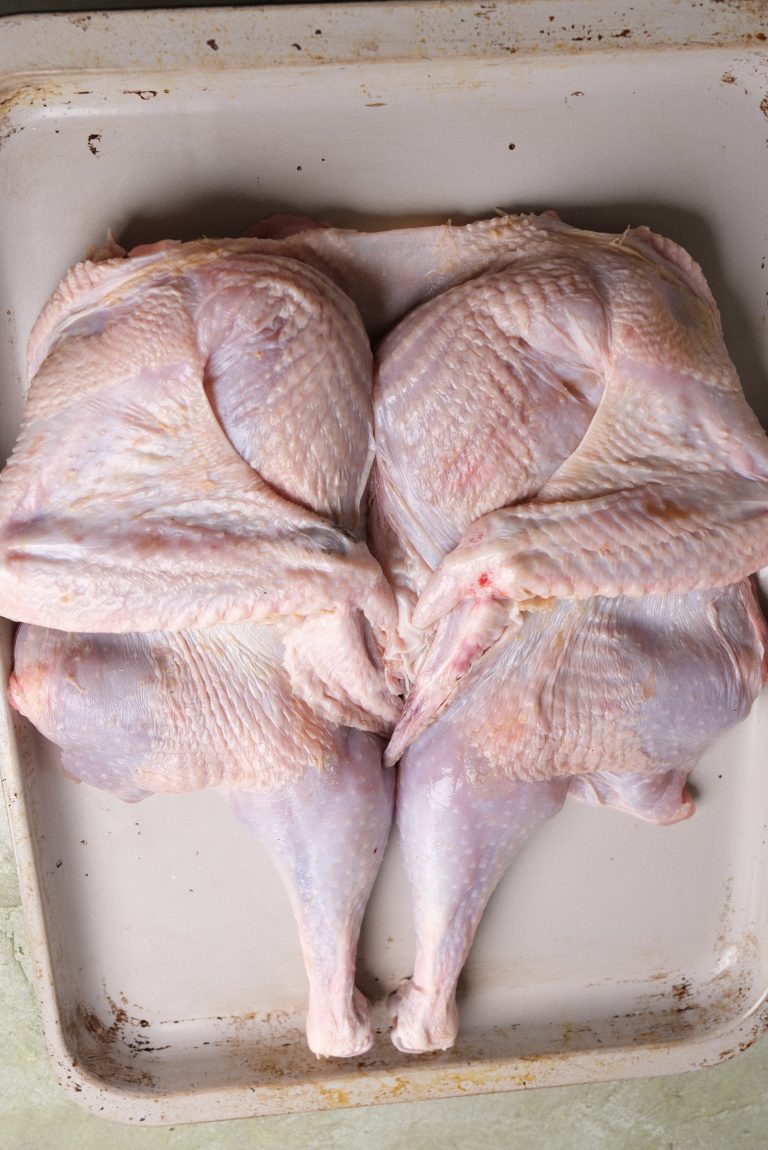
Stress-Free Thanksgiving with Me: Cook Like a Chef
I am a classically trained chef, and I worked as a pastry chef for decades. The most useful lessons I carried from those kitchens are usually small: chill the bowl as well as the butter, leave some pieces of butter large enough to see, cook the apples in batches, build the lattice before you need it, and let the refrigerator or freezer do part of the work.
This recipe gathers those lessons in one place. The goal is to remove the guessing from the process, especially on a holiday when the pie should be waiting for the oven rather than creating one more last-minute job.
A flaky dough that is easy to roll
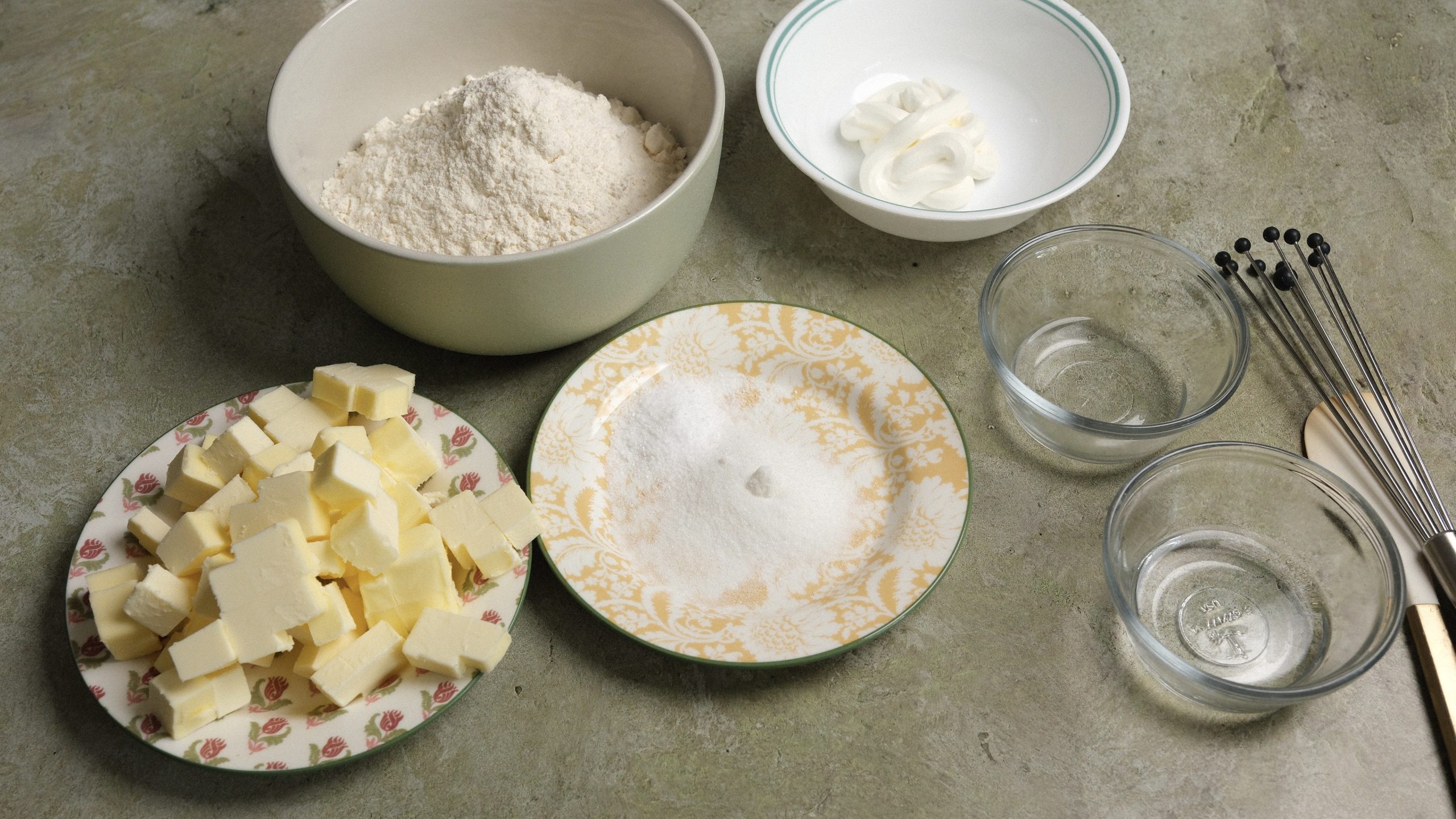
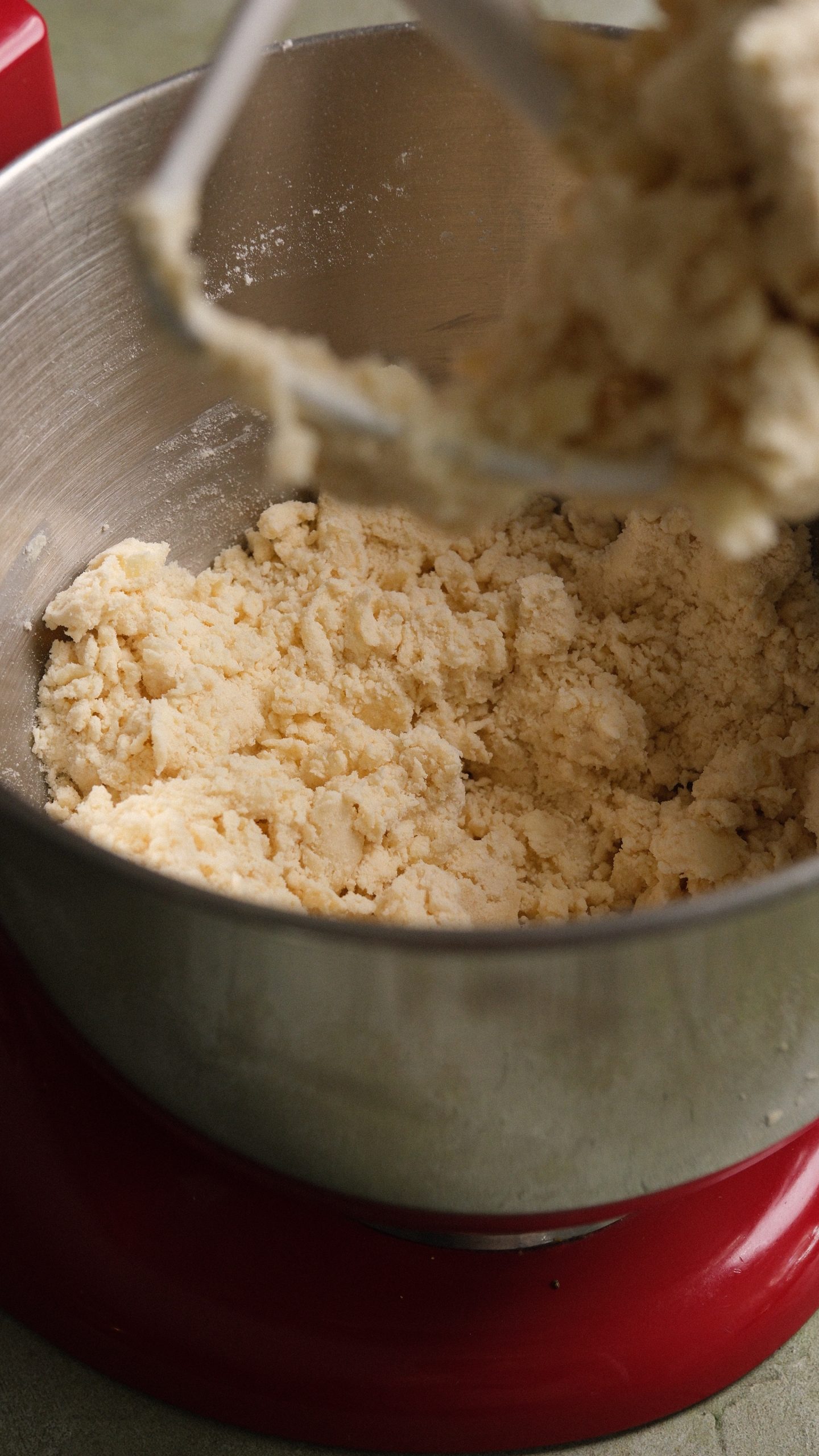
I use the stand mixer for this dough. Hands warm the butter, while a blender or food processor can reduce it to crumbs before you notice. A chilled mixer bowl and paddle keep the butter cold while flattening some cubes into thin flakes and leaving others about the size of peas. Those visible pieces are what create the layers.
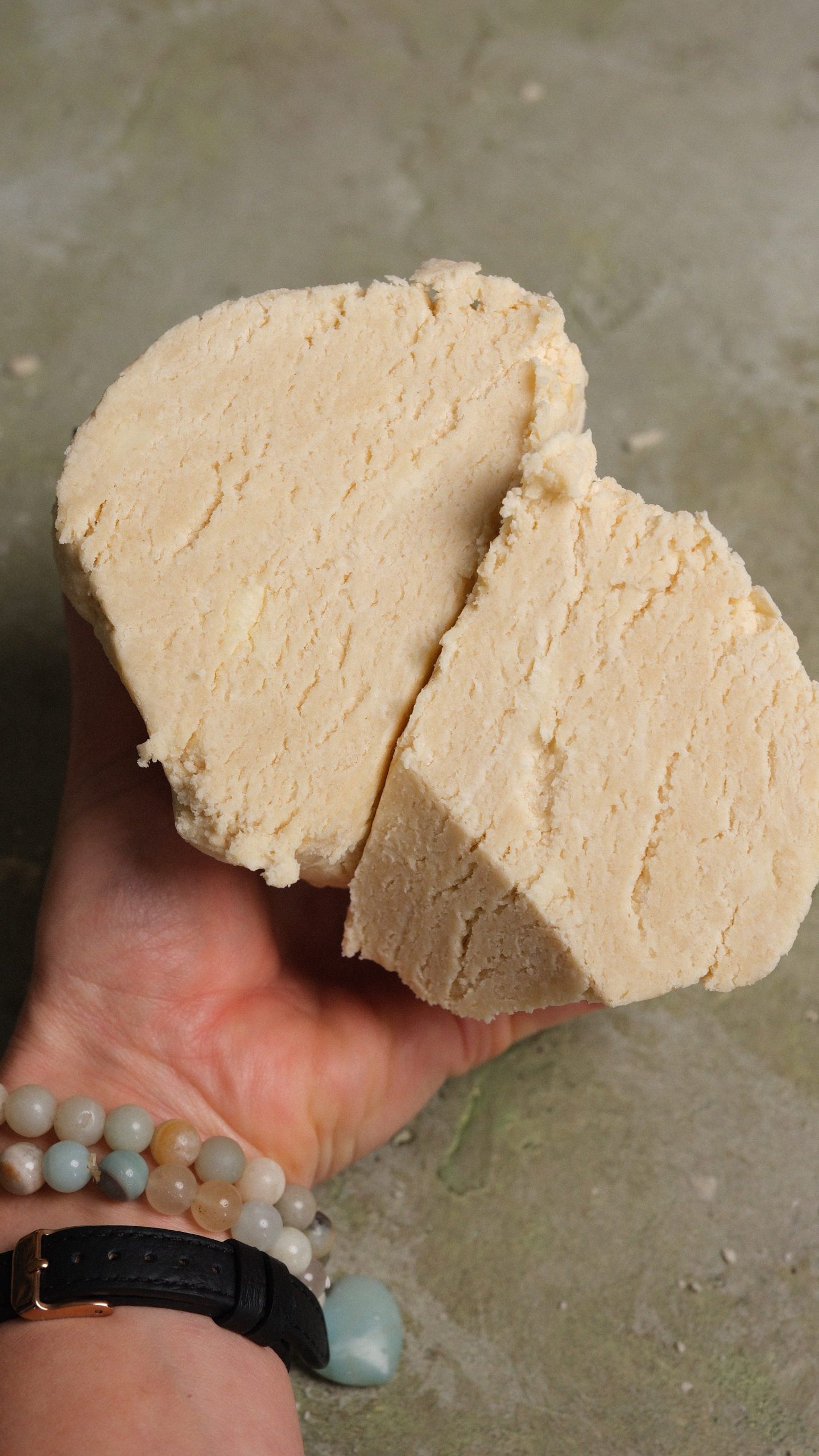
The liquid is a mixture of cold sour cream, freezer-cold vodka and 25 grams of ice water. I have tested the dough with more water, but 25 grams works every time for me. Add the liquid while mixing on low and stop as soon as the dough holds when squeezed. It should look rough. A smooth dough at this stage has usually been mixed too far.
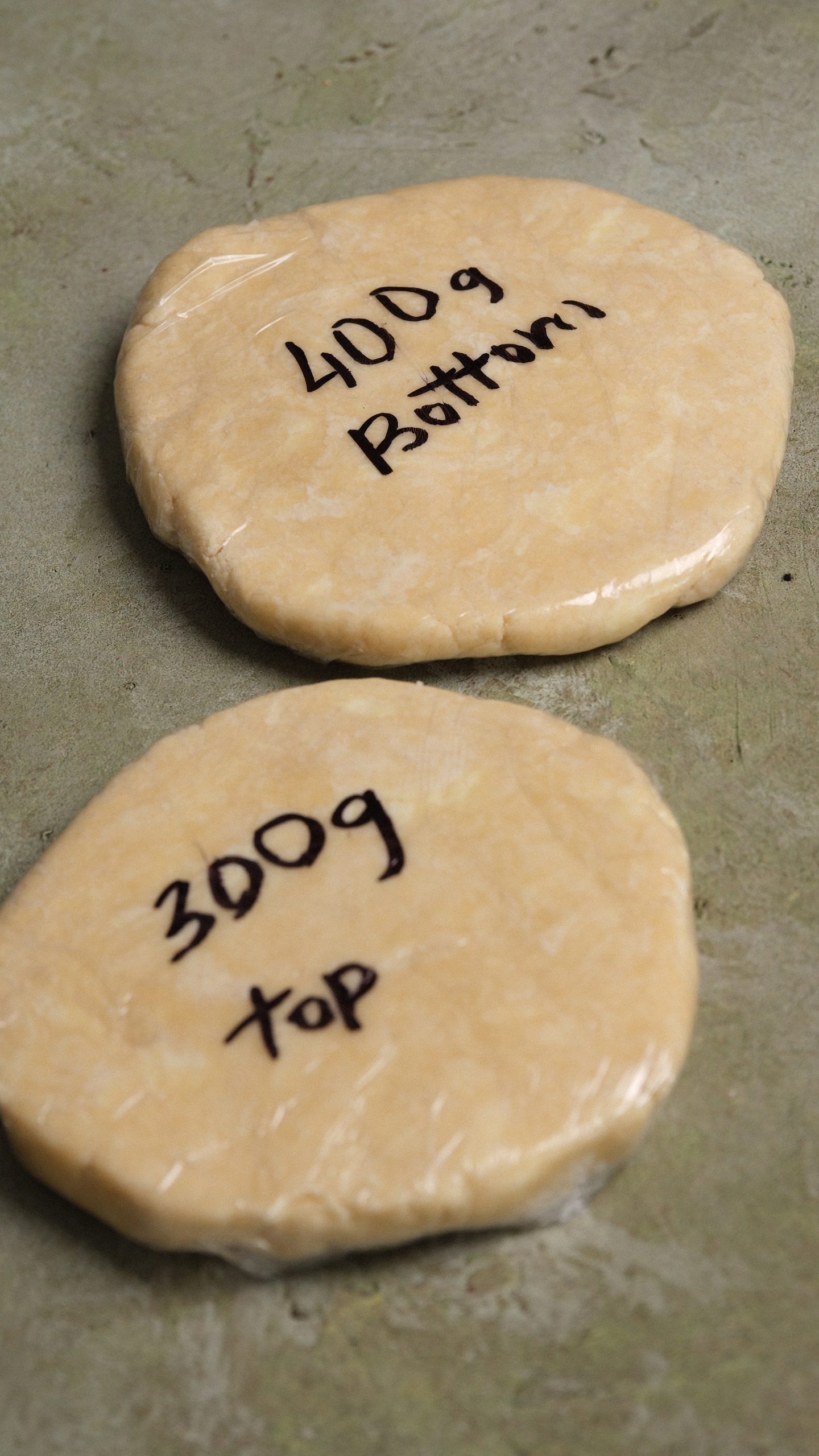
The finished batch weighs about 700 grams. I divide it into a 400-gram disc for the bottom crust and a 300-gram disc for the lattice. The larger bottom portion gives enough pastry to line a 23 cm pie dish without pulling or stretching it.
The dough needs only 1 hour in the refrigerator before rolling. I make it first, then cook the apples and clean the kitchen. By the time that work is finished, the dough is rested, cold and ready to roll.
Cook the apples before they go into the pie
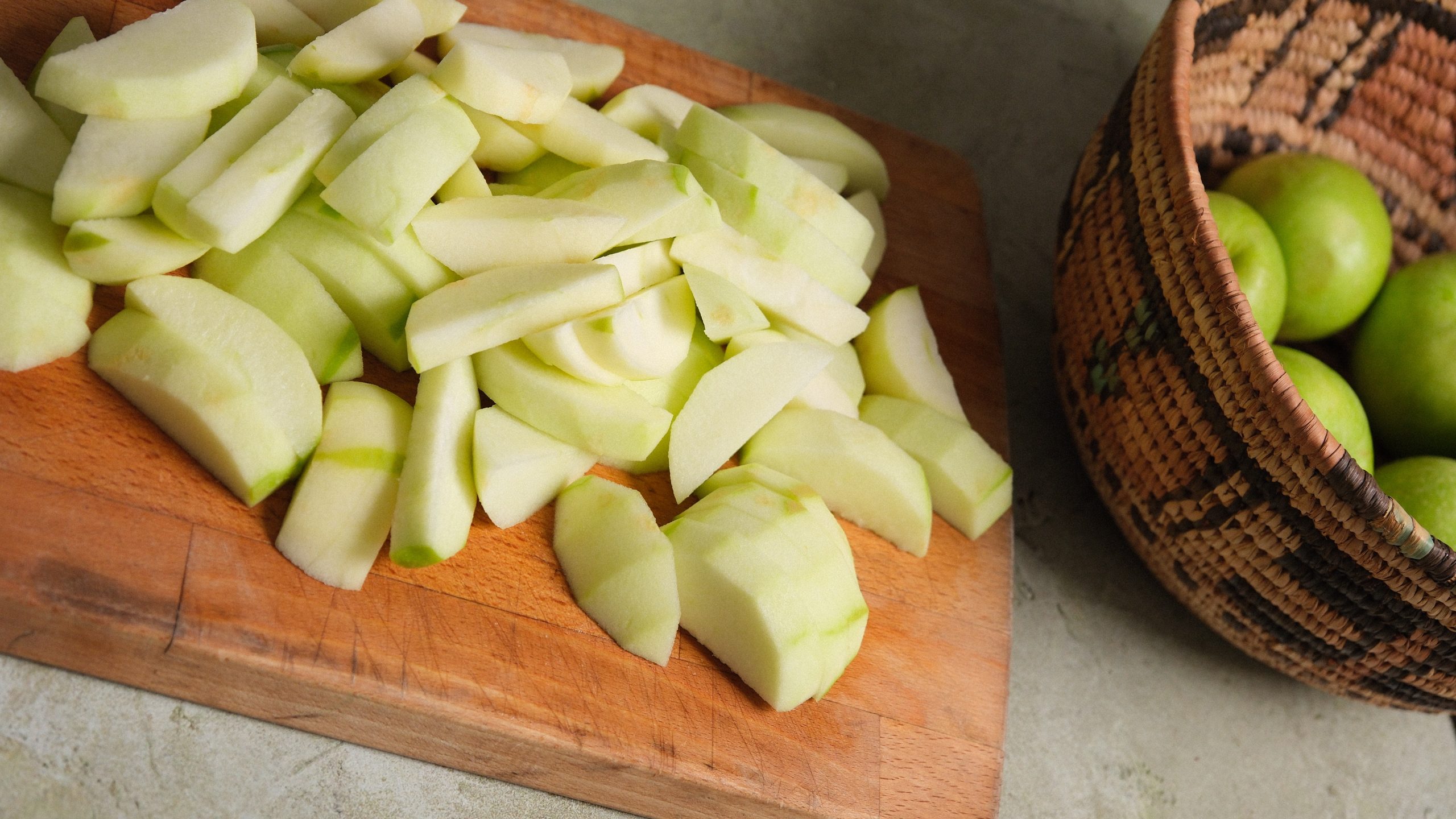
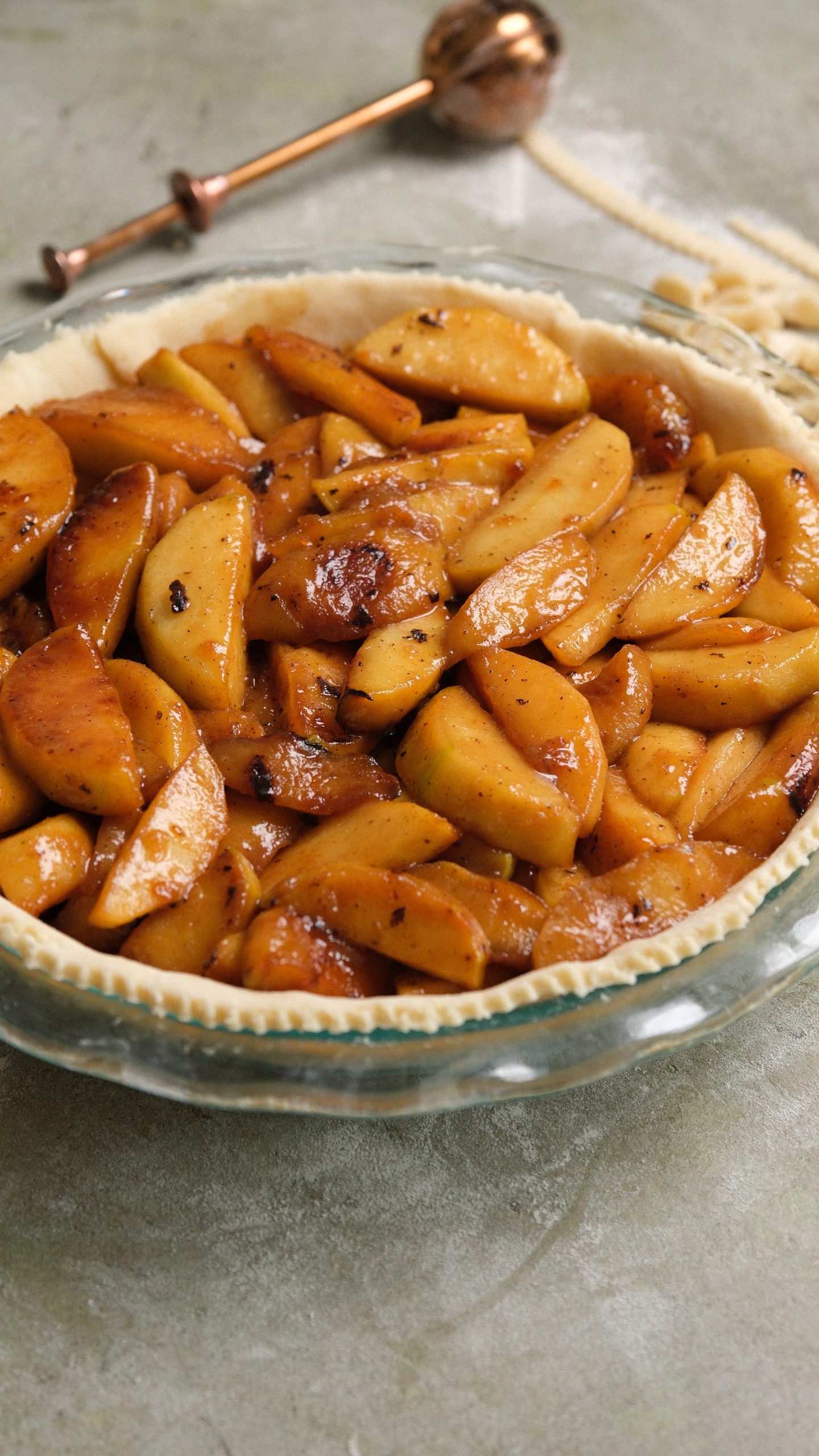
I use 12 Granny Smith apples and cook them in two batches. A wide, heavy-bottomed stainless-steel pan is ideal. Heat it very well, add a thin film of oil, then add only six sliced apples. Overcrowding traps steam. The apples need room to touch the hot metal and take on caramelized color.
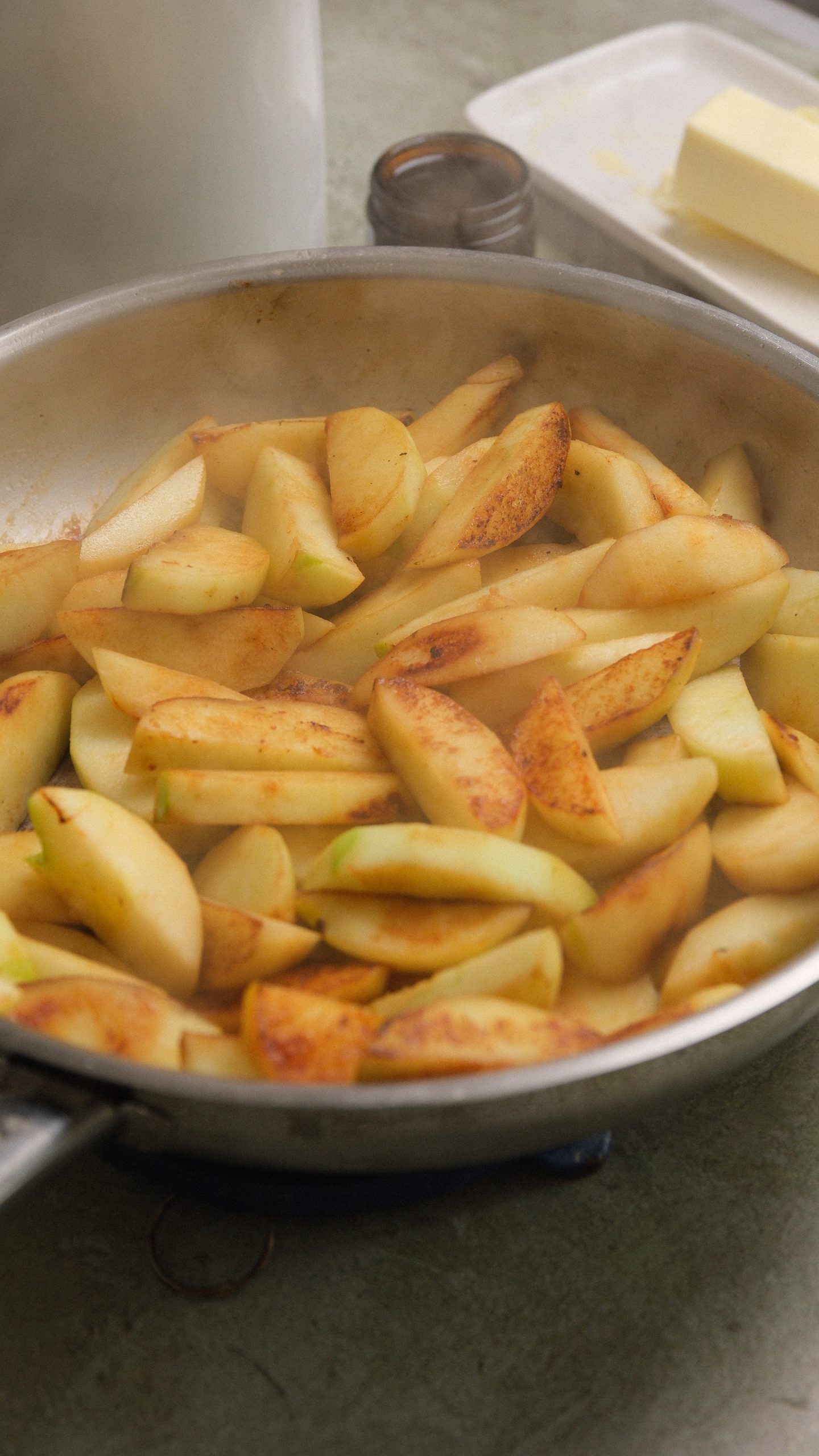
Keep the heat at medium-high and let the apples sear. If you set off the fire alarm, that is a good sign you are doing it right. Once most of the slices have some color, add 3 tablespoons of sugar, 2 tablespoons of butter and vanilla bean paste. Cook briefly, only until the juices thicken around the apples, then spread them on a sheet pan to cool. Wash the pan and repeat with the second half.
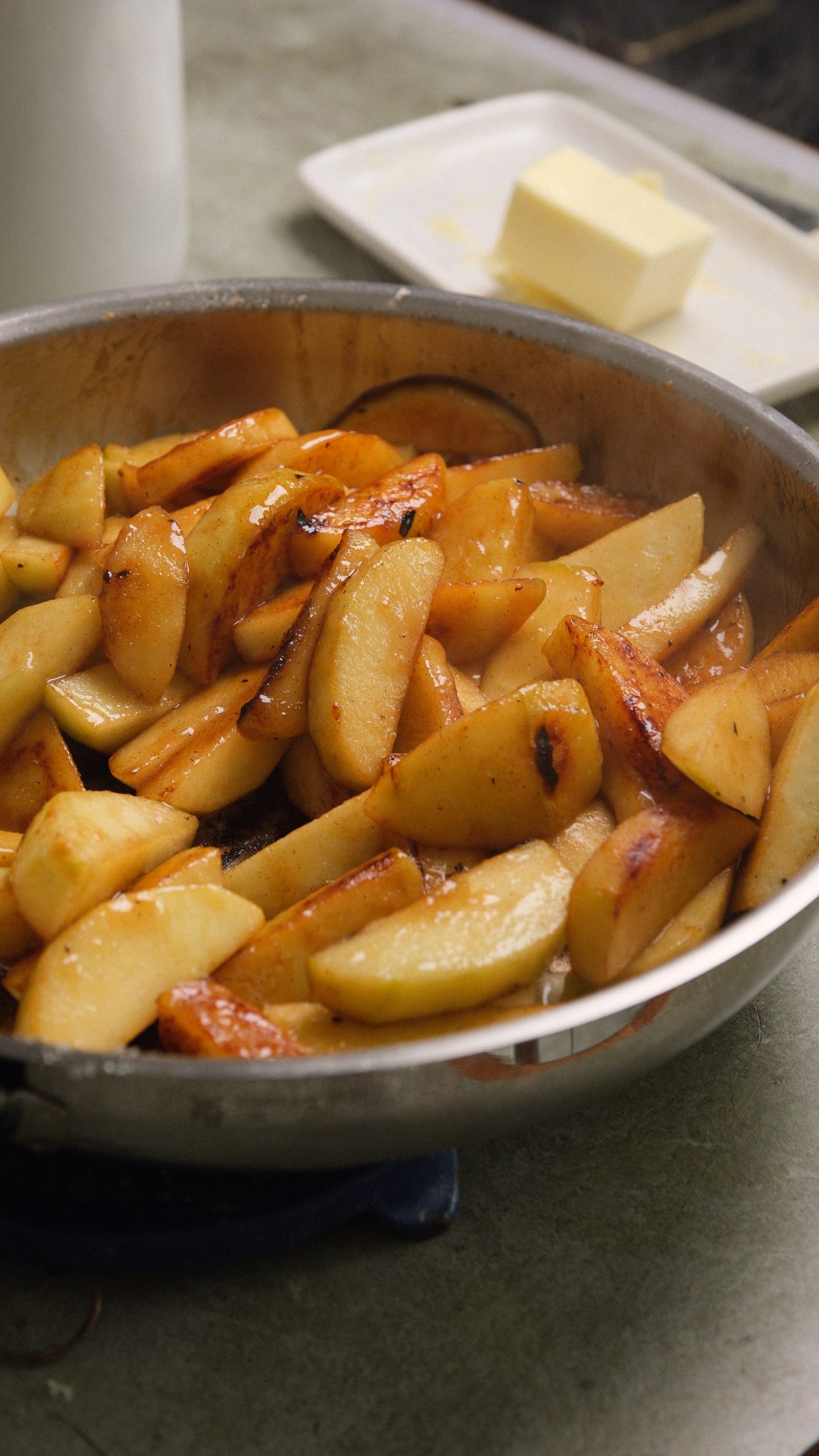
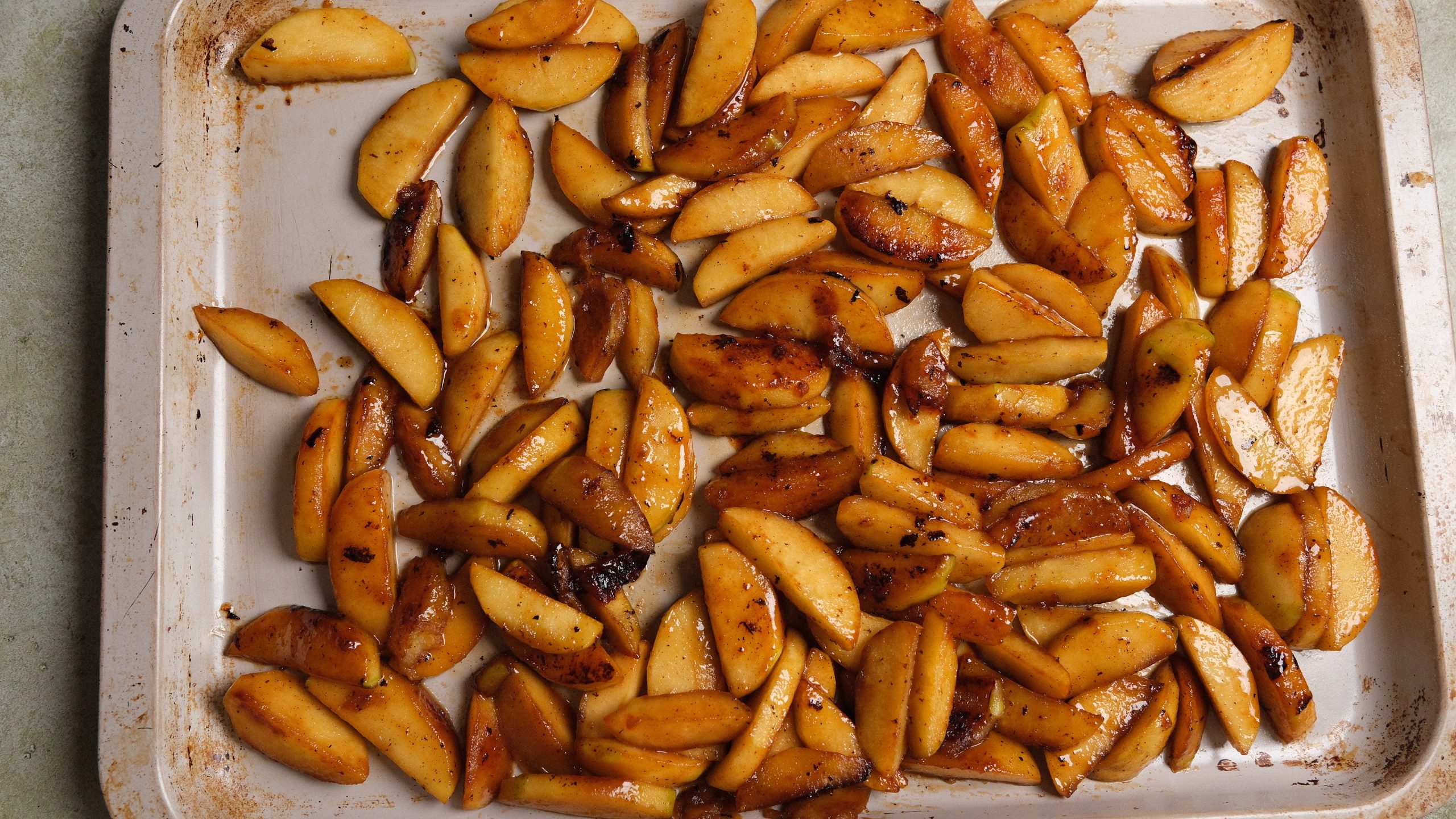
Spreading the apples out matters. A deep bowl holds their heat and steam. A sheet pan cools them quickly and keeps the filling from continuing to cook into applesauce. By the time they go into the shell, they should be completely cold.
Build the lattice first
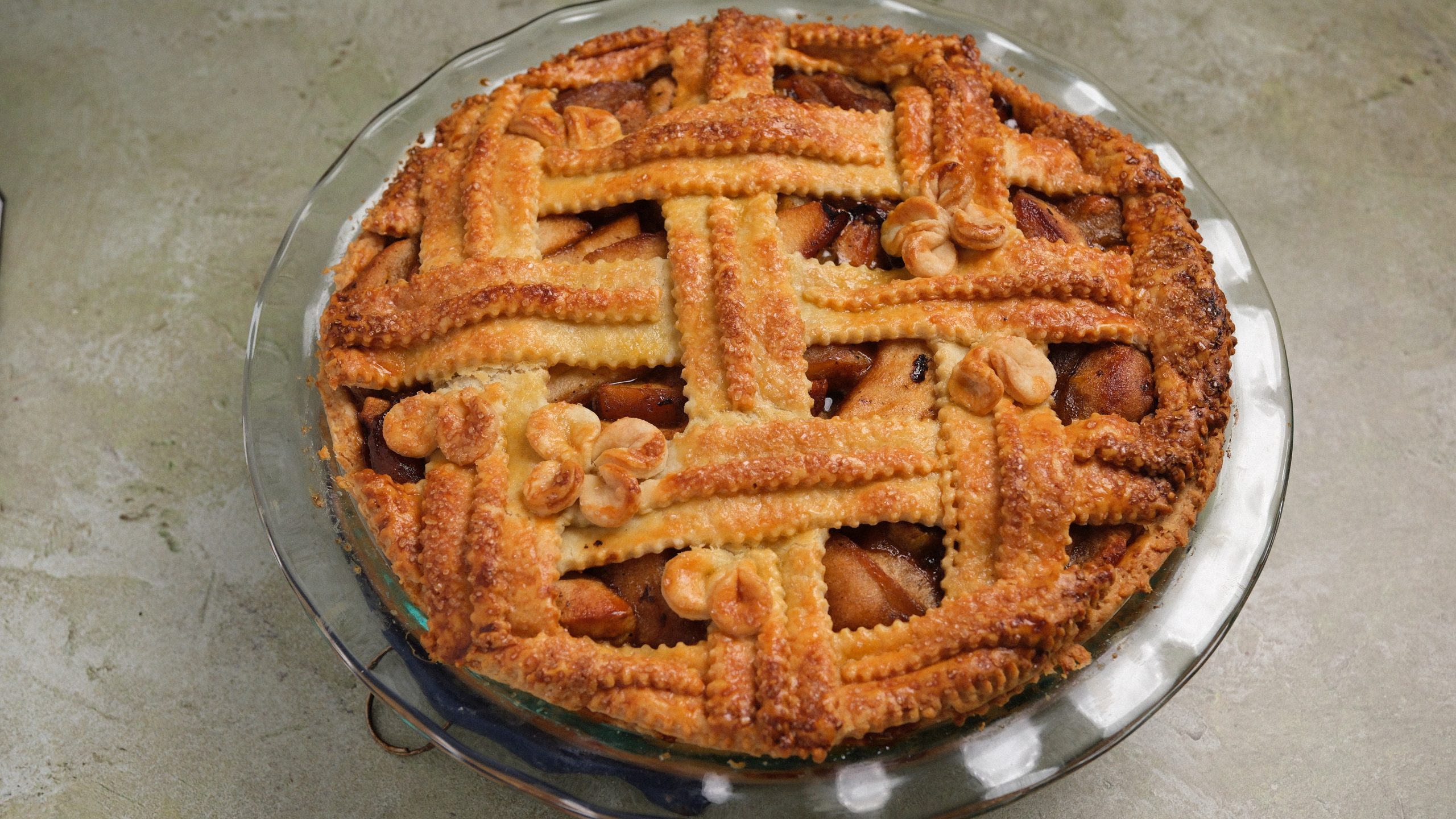
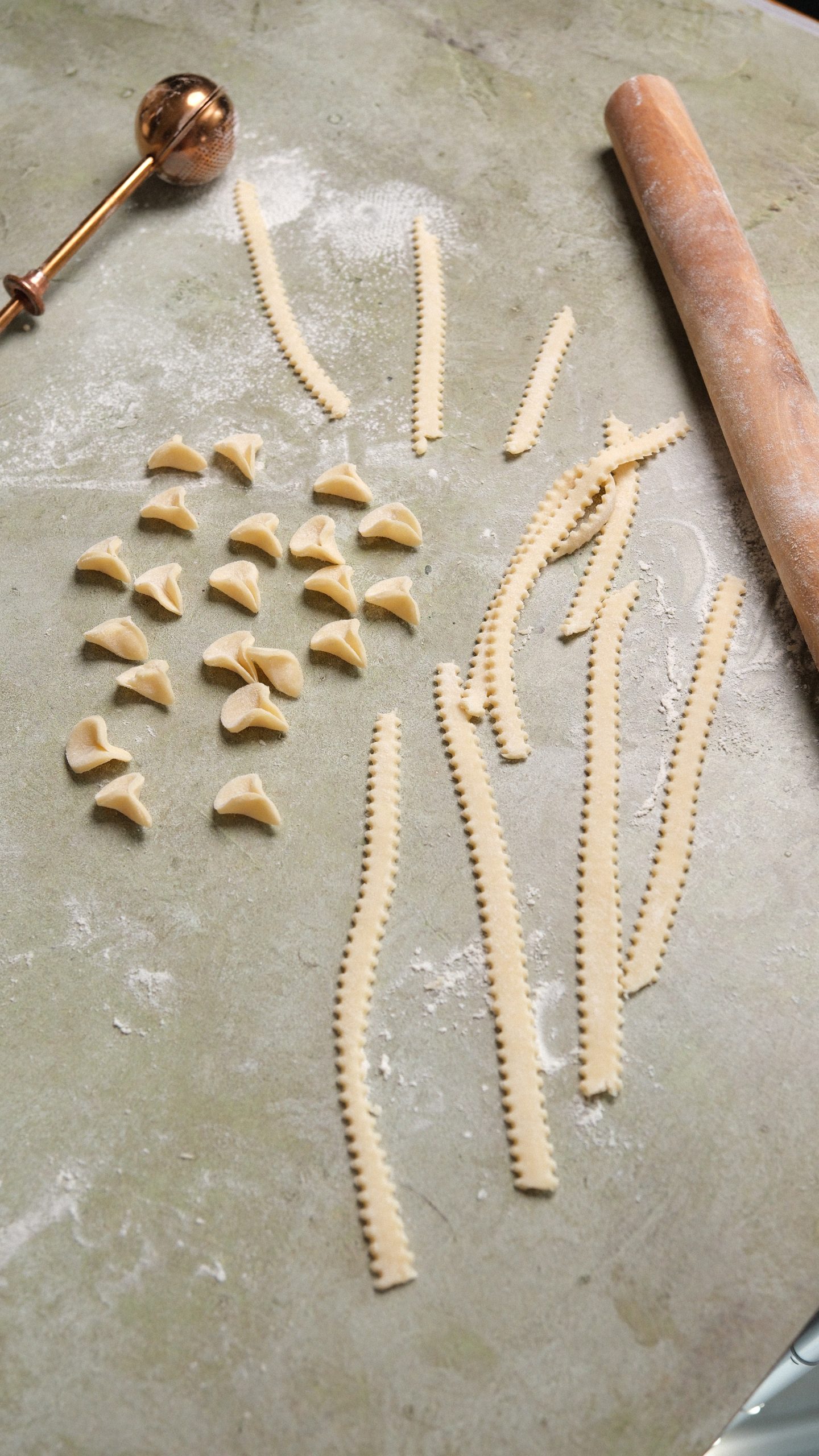
Roll the 300-gram top portion before rolling the bottom crust. Make it wider than the pie dish so the strips will still reach the rim after they are woven over the mound of apples. I did not use special pie tools: a ravioli cutter made the fluted strips. I cut the main strips about as wide as a standard ruler, then added narrow strips on top for extra detail, attaching them with tiny dabs of water. Build the lattice on a parchment-lined board or the back of a sheet pan, then slide it into the freezer while you roll and line the pie shell.
Lattice sequence
- Lay half of the strips parallel to one another, with a small, even space between them.
- Fold every other strip back a little past the center.
- Lay one cross-strip across the strips that remain flat, then unfold the folded strips over it.
- Fold back the opposite set of alternating strips. Add the next cross-strip and unfold.
- Repeat to the edge, then turn the board and weave the other half in the same way.
- Adjust the spacing while the dough is still flexible. Freeze the finished lattice flat until it is firm but can still follow the curve of the filled pie.
Roll and line the bottom crust
Let the 400-gram disc soften only until it can bend without cracking. Lightly flour the counter, the dough and the rolling pin. Roll from the center outward, turning the dough a quarter turn often. If it begins to stick, lift it with a bench scraper and add a little more flour underneath. Do not keep rolling over the edge, which makes the center thin and the rim heavy.
Roll the dough to about 3 mm thick and a few centimeters wider than the dish on every side. Fold it loosely in half or drape it over the rolling pin, then lower it into the dish. Ease the pastry into the corners without stretching it. Trim the edge, leaving enough dough beyond the rim to attach the lattice, and refrigerate the lined shell.
Decorations that keep their shape
Gather the remaining scraps, knead them together and use enough flour to make the dough finer and firmer than the main crust. This is one place where you should not be afraid of flour. Large butter flakes are excellent for the crust, but they can make small leaves puff and lose their clean shape.
Roll the decoration dough 3 to 4 mm thick and chill it flat until firm. I did not use a leaf cutter. I cut small circles, shaped each one into a leaf with my fingers and attached the leaves with tiny dabs of water. Simple tools and cold dough are enough.
Fill, finish and bake
Pack the cooled apples into the chilled shell, arranging them so there are no large empty spaces. Slide the cold, nearly frozen lattice from the parchment onto the apples. Attach it to the bottom crust, trim the excess and finish the rim. Add the hand-shaped leaves with tiny dabs of water.
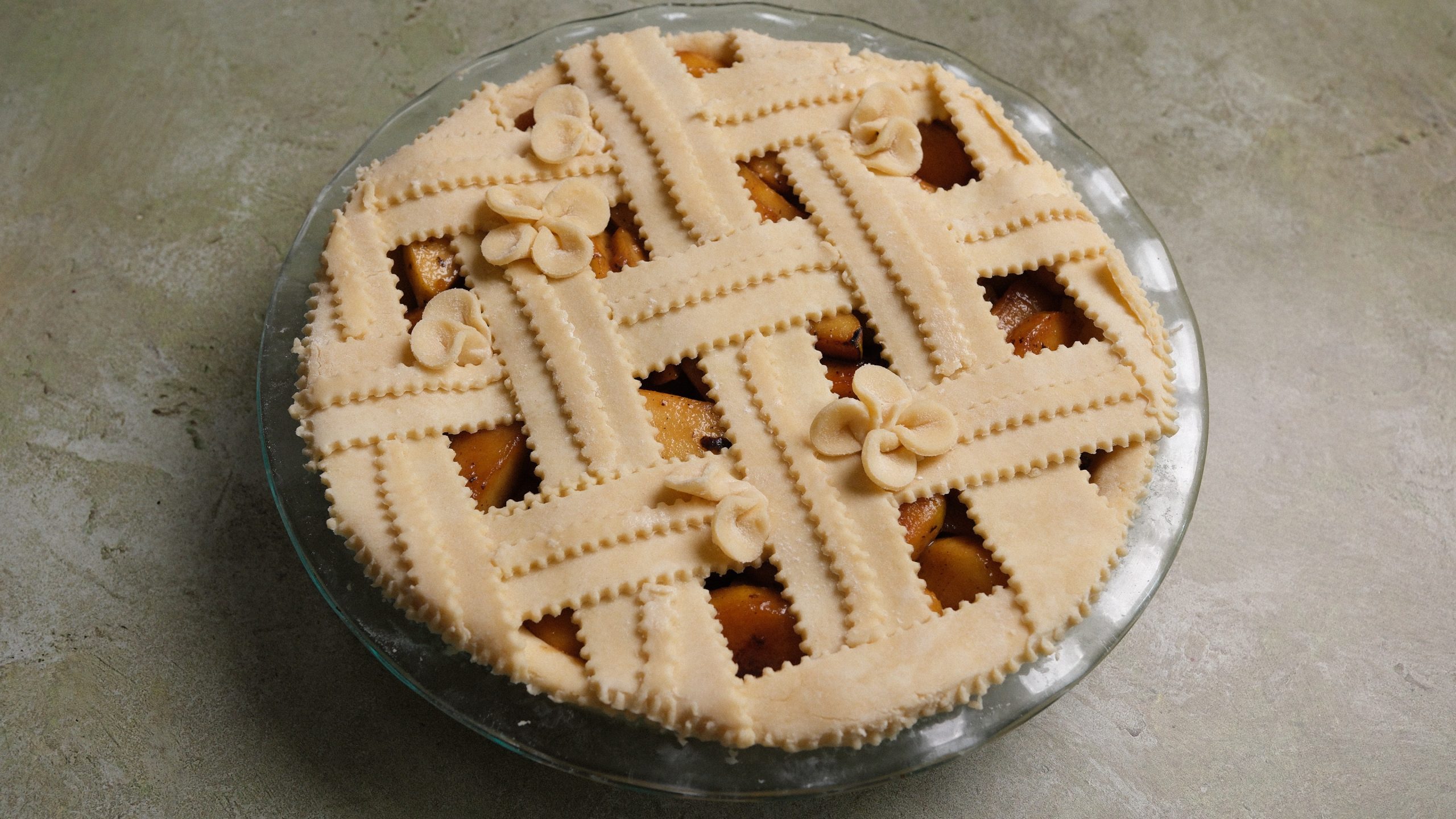
Brush the pastry with a thin, even coat of egg wash. Do not leave puddles in the lattice or around the small decorations. Sprinkle the lattice and rim with sanding sugar or turbinado sugar, using very little on the leaves so their shapes remain visible. Chill the assembled pie for 30 minutes while the oven finishes heating.
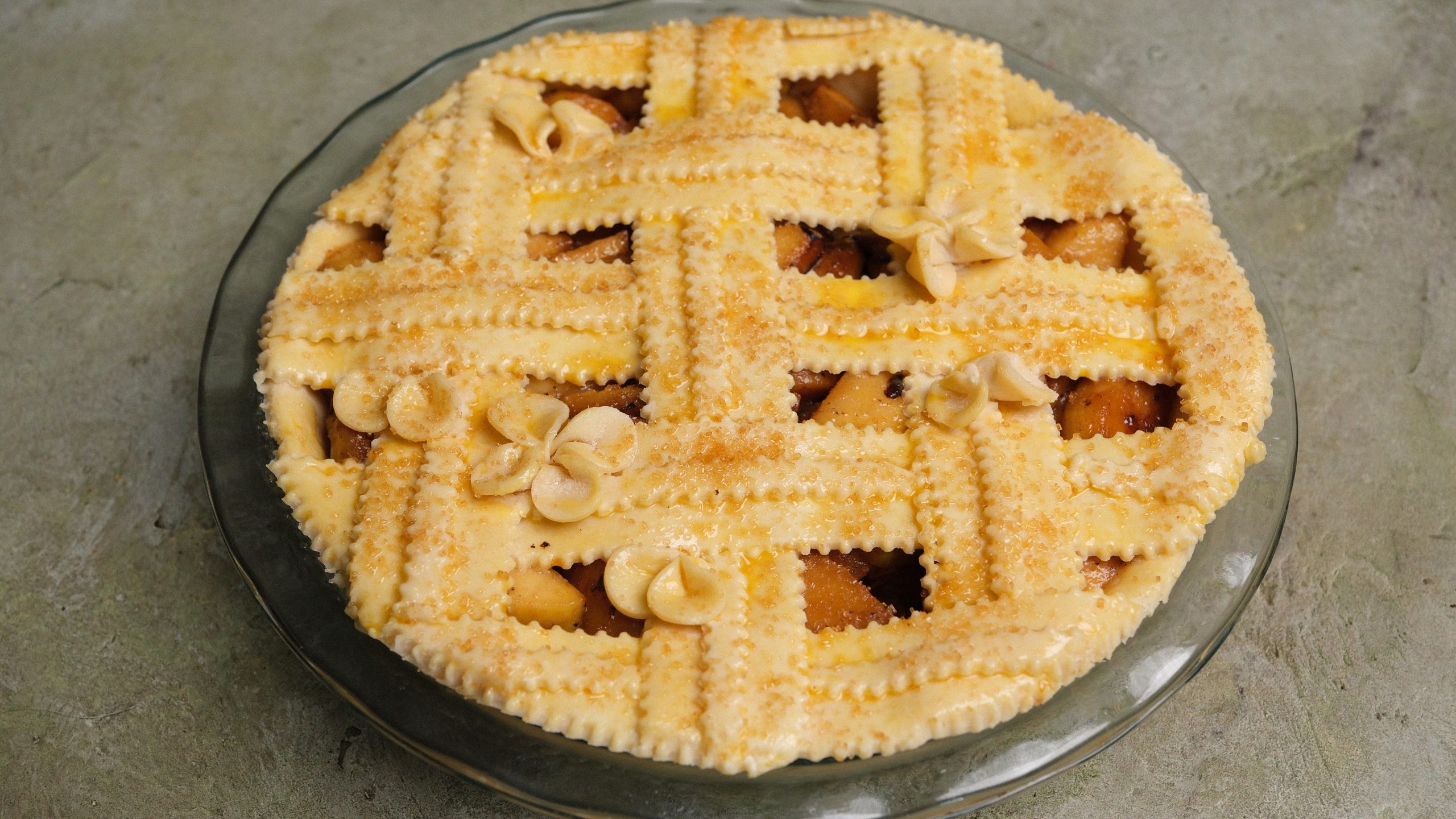
Bake in the lower third of a fully preheated 425°F (220°C) oven for 20 minutes. Reduce the temperature to 350°F (175°C) and continue baking for 45 to 60 minutes. Once the pastry has enough color, cover the top loosely with parchment and foil so the filling can continue to bake without overbrowning the crust. The long second bake gives the natural pectin in the apples time to set the filling.
You have real control over the final texture here. At the shorter end of the baking time, the apple slices remain more distinct. The longer the pie bakes, the softer and more uniform the filling becomes. This crust can handle the extended bake; once it is deeply golden, keep it loosely covered and let the apples reach exactly the texture you want.
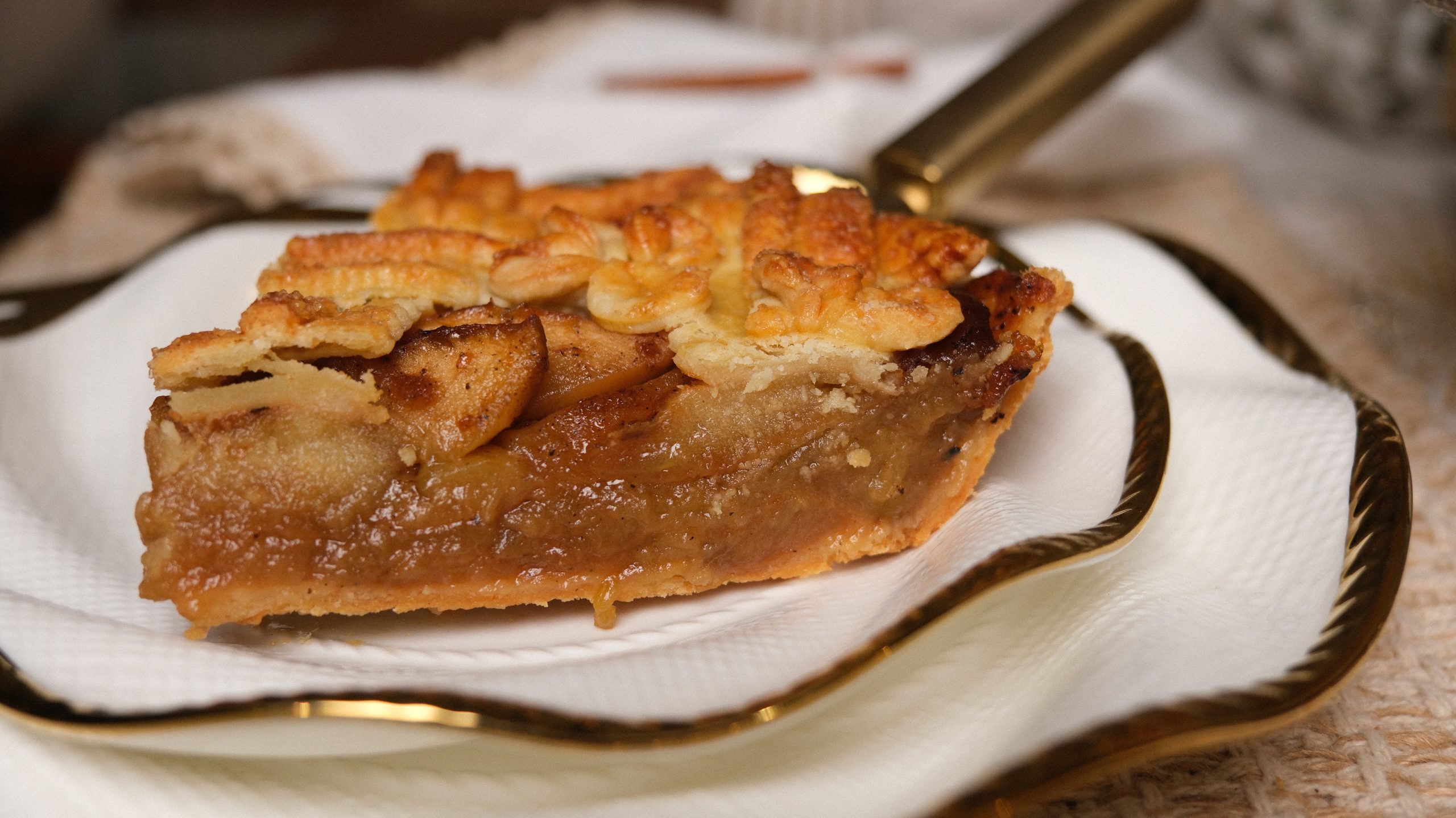
Let the pie cool to warm or room temperature before slicing. Cut it too early and even properly cooked apples will not have had time to settle.
Cadre Nomade recipe
Caramelized Vanilla Apple Pie with a Flaky Sour Cream & Vodka Crust
A double-crust Granny Smith apple pie with caramelized vanilla apples, a freezer-friendly lattice and a flaky pastry made with sour cream, vodka and just enough ice water.
Ingredients
For the pastry
- 350 g all-purpose flour, plus more for rolling and decorations
- 15 g granulated sugar
- 6 g fine salt
- 230 g unsalted butter, cold and cut into small cubes
- 60 g full-fat sour cream, cold
- 30 g plain vodka, freezer-cold
- 25 g ice water
For the apple filling
- 12 Granny Smith apples, peeled, cored and sliced
- Neutral oil, as needed to film the pan
- 75 g granulated sugar, divided
- 56 g unsalted butter, divided
- Vanilla bean paste, to taste
To finish
- 1 large egg, beaten for egg wash
- Sanding sugar or turbinado sugar, as needed
Method
- Chill the equipment. Refrigerate the stand-mixer bowl and paddle attachment until cold.
- Mix the dry ingredients. Add the flour, sugar and salt to the chilled bowl and mix briefly on low.
- Work in the butter. Add the cold butter and mix on low until some pieces are flattened into flakes and others remain about the size of peas. Do not reduce all of the butter to fine crumbs.
- Add the liquid. Stir together the sour cream, vodka and 25 g ice water. Add to the flour mixture with the mixer on low. Stop as soon as the dough holds together when squeezed.
- Divide and chill. Press the dough together without kneading. Divide into a 400 g disc for the bottom and a 300 g disc for the lattice. Wrap and refrigerate for 1 hour. Cook the apples and clean up while the dough rests; it will be ready to roll when you are.
- Cook the first apple batch. Heat a wide, heavy-bottomed stainless-steel pan until very hot. Add a thin film of oil, then 6 sliced apples. Sear over medium-high heat without overcrowding until most slices have caramelized color.
- Finish the first batch. Add half of the sugar, half of the butter and vanilla bean paste to taste. Cook for a couple of minutes, until the juices thicken around the apples. Spread the apples on a sheet pan to cool completely.
- Repeat. Wash the pan and repeat with the remaining apples, sugar, butter and vanilla bean paste. Cool completely.
- Build the lattice. Roll the 300 g top-crust portion about 3 mm thick and wider than the pie dish. Use a ravioli cutter to cut the main strips about as wide as a standard ruler. Add narrower strips on top with tiny dabs of water, then weave the lattice on a parchment-lined board. Freeze it flat until firm but still flexible enough to follow the curve of the filling.
- Line the dish. Roll the 400 g bottom-crust portion about 3 mm thick. Ease it into a 23 cm (9-inch) pie dish without stretching. Trim, leaving enough pastry to attach the top, and refrigerate.
- Shape the decorations. Knead the scraps together with enough flour to make a smooth, firm decoration dough. Roll 3 to 4 mm thick and chill until firm. Cut small circles and shape them into leaves with your fingers.
- Fill the pie. Pack the fully cooled apples into the chilled shell, avoiding large gaps.
- Add the lattice. Slide the cold lattice onto the apples. Attach it to the bottom crust, trim and finish the rim. Attach the hand-shaped leaves with tiny dabs of water.
- Finish and chill. Brush lightly with egg wash, leaving no puddles. Sprinkle with sanding or turbinado sugar, using little or none on the leaves. Chill the assembled pie for 30 minutes.
- Begin baking. Heat the oven fully to 425°F (220°C). Bake the cold pie in the lower third of the oven for 20 minutes.
- Finish baking. Reduce the oven to 350°F (175°C) and bake for another 45 to 60 minutes. Once the crust is well colored, cover the top loosely with parchment and foil. The shorter bake keeps the apple slices more distinct; a longer bake produces a softer, more uniform filling. The crust can handle the extra time, so choose the apple texture you prefer.
- Cool. Let the pie cool to warm or room temperature before slicing.
A practical Thanksgiving schedule
- Several weeks ahead: Make the dough, roll the bottom shell, build the lattice and freeze both flat and well wrapped.
- Two to four days ahead: Cook the apples in two batches, cool them completely and refrigerate.
- The day before or morning of: Assemble and decorate the pie, then keep it cold.
- Before serving: Bake early enough to give the filling time to cool and set before the pie reaches the table.