When Water Looks Like a Gemstone: Lago di Cancano

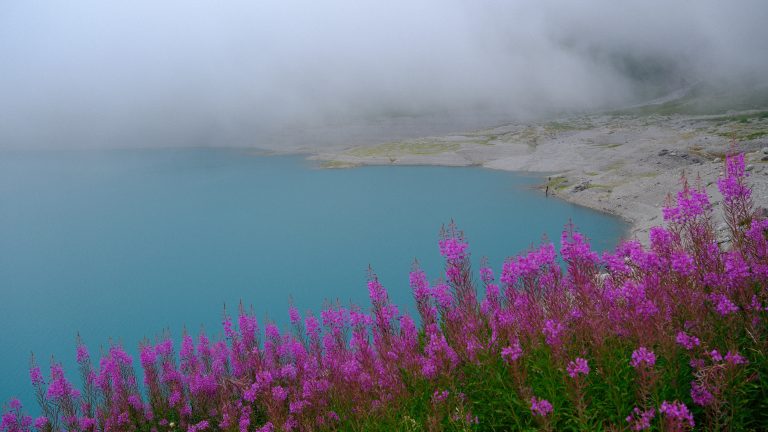
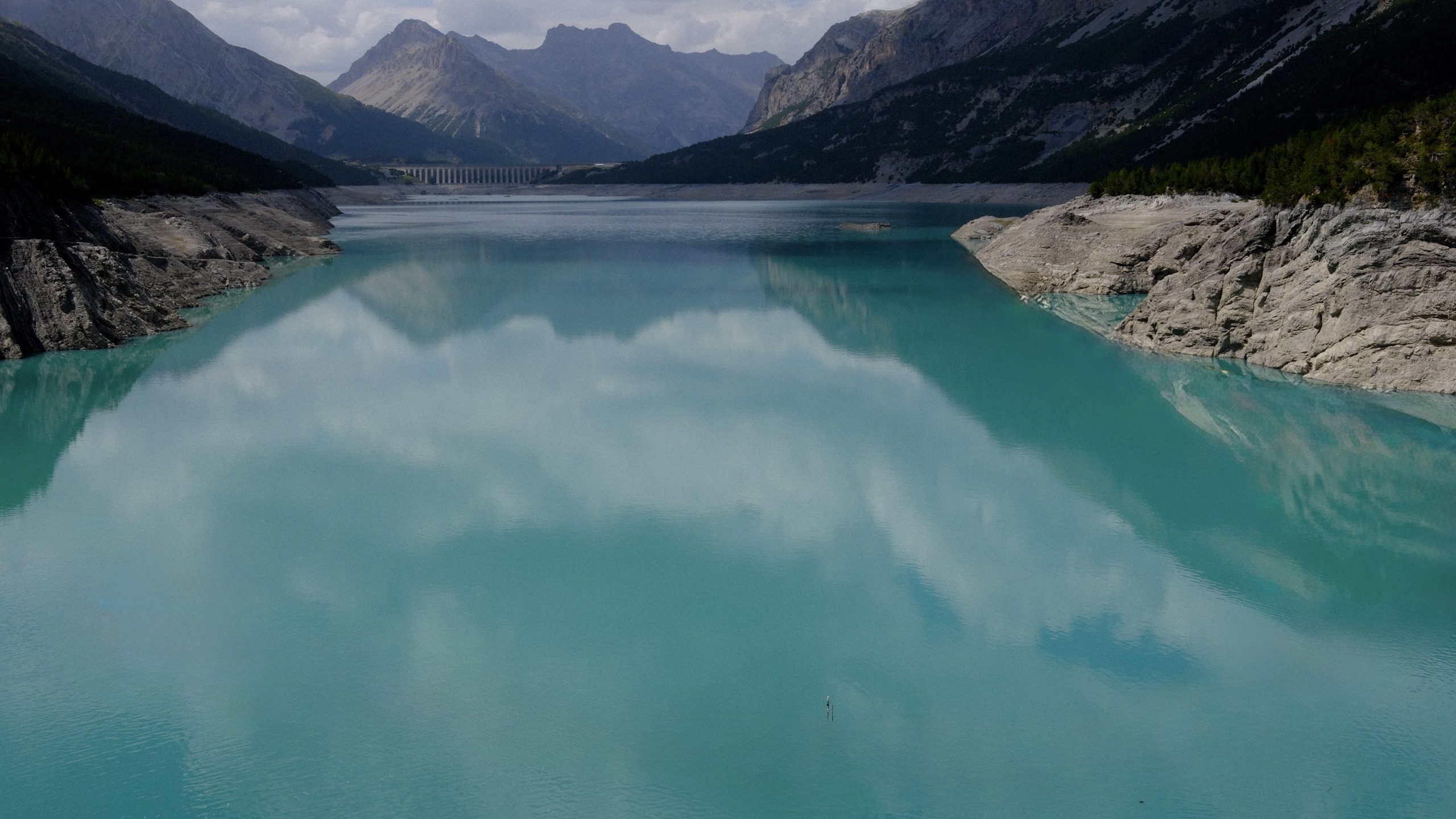
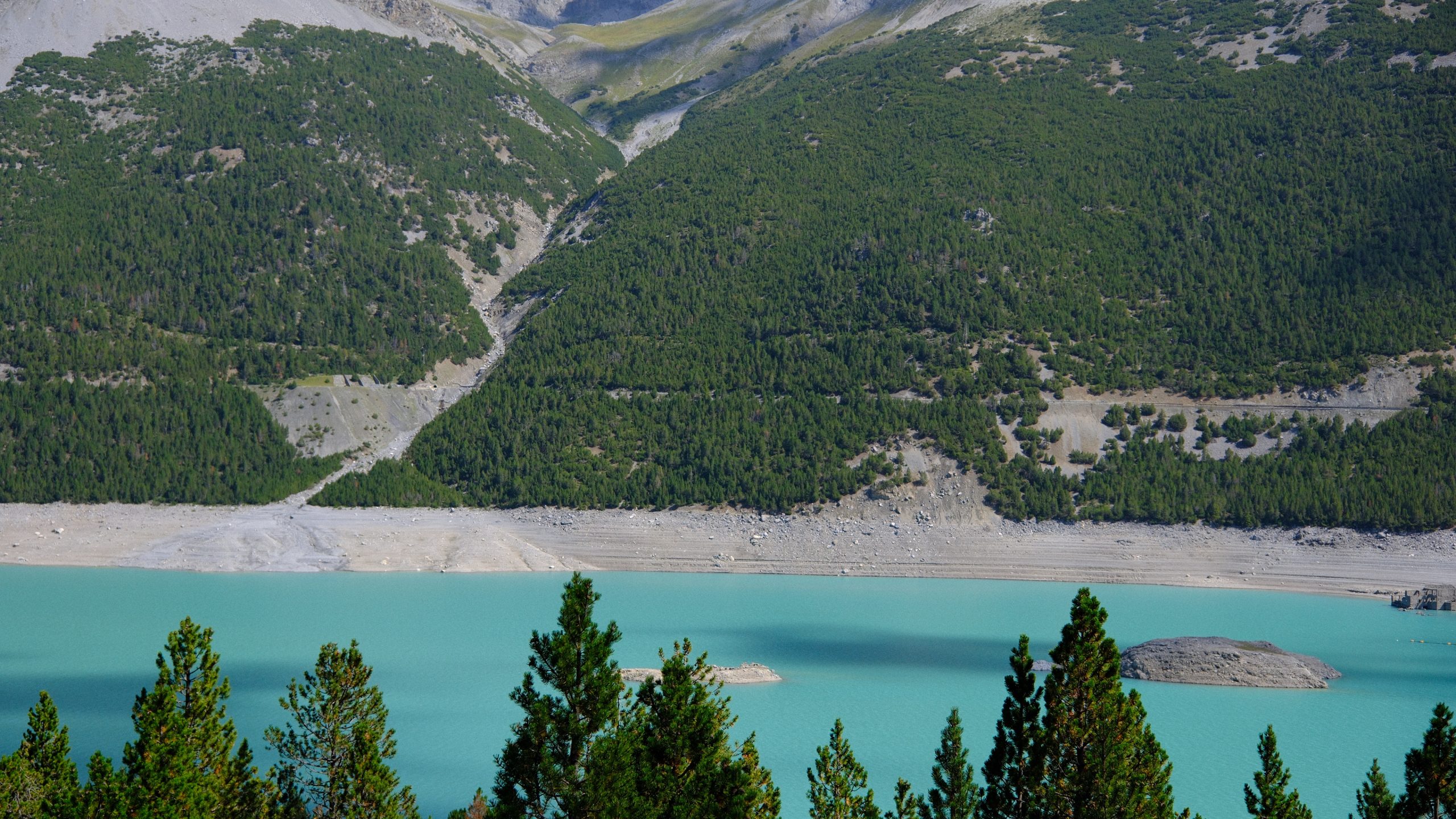
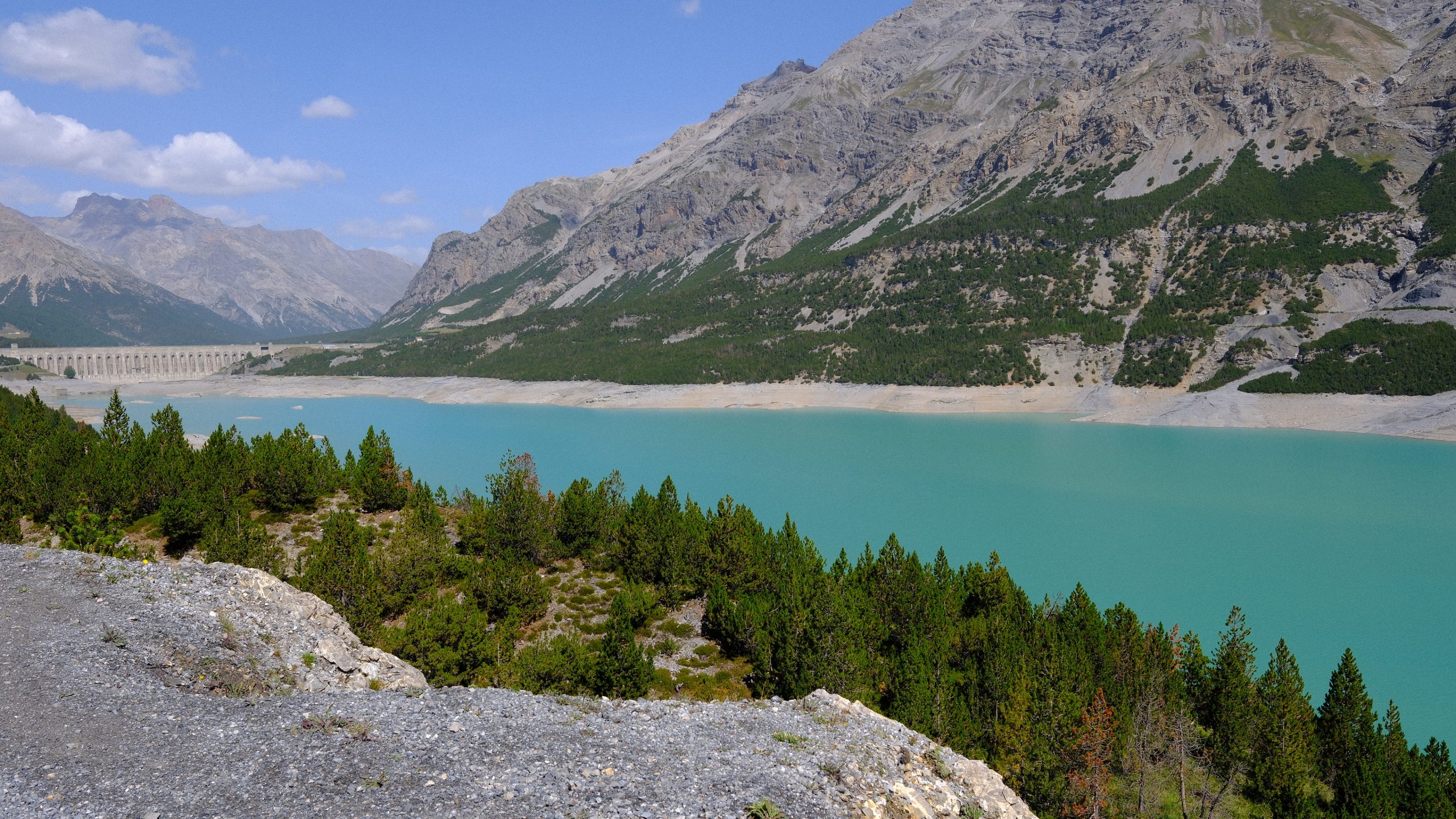
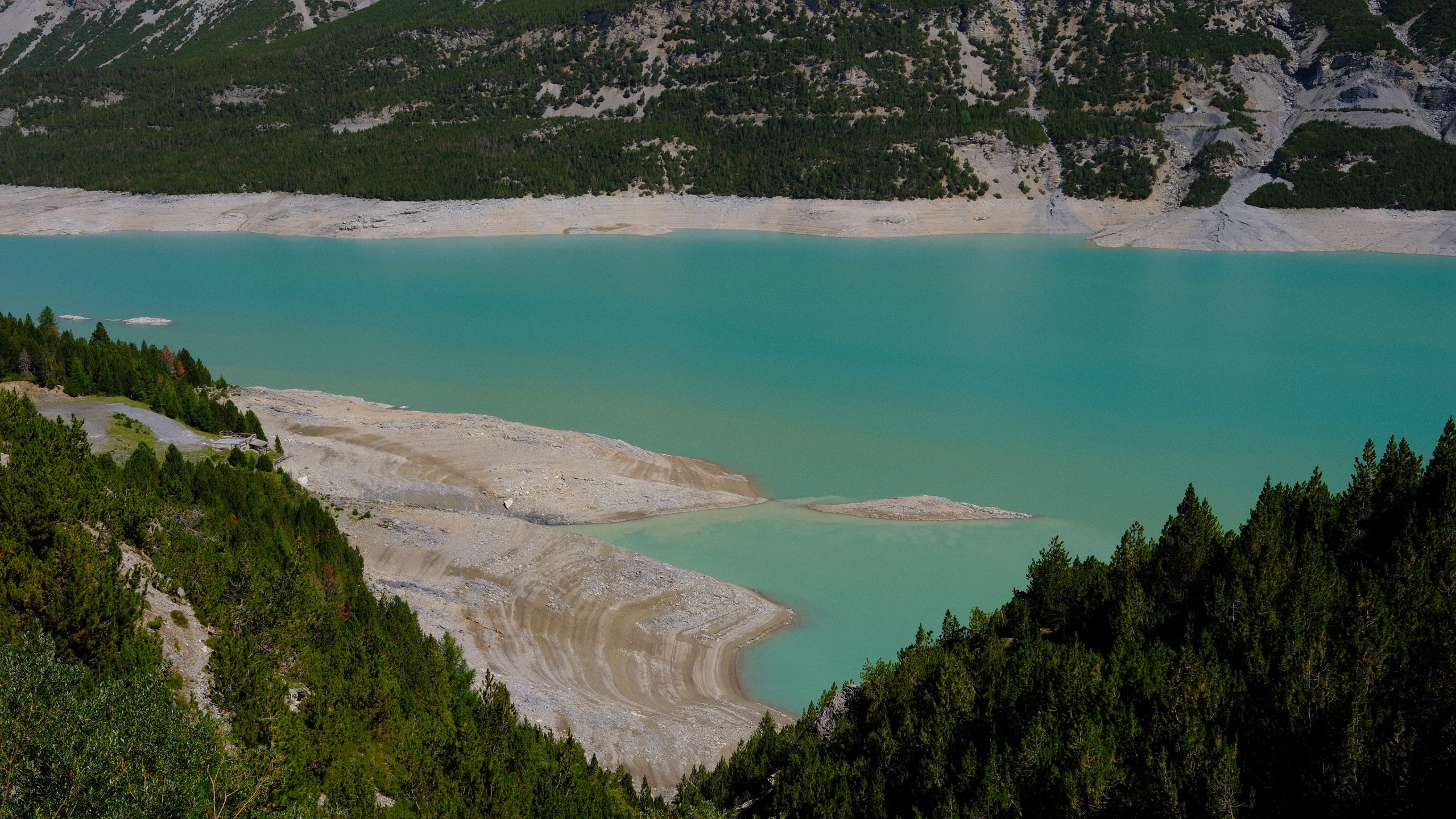
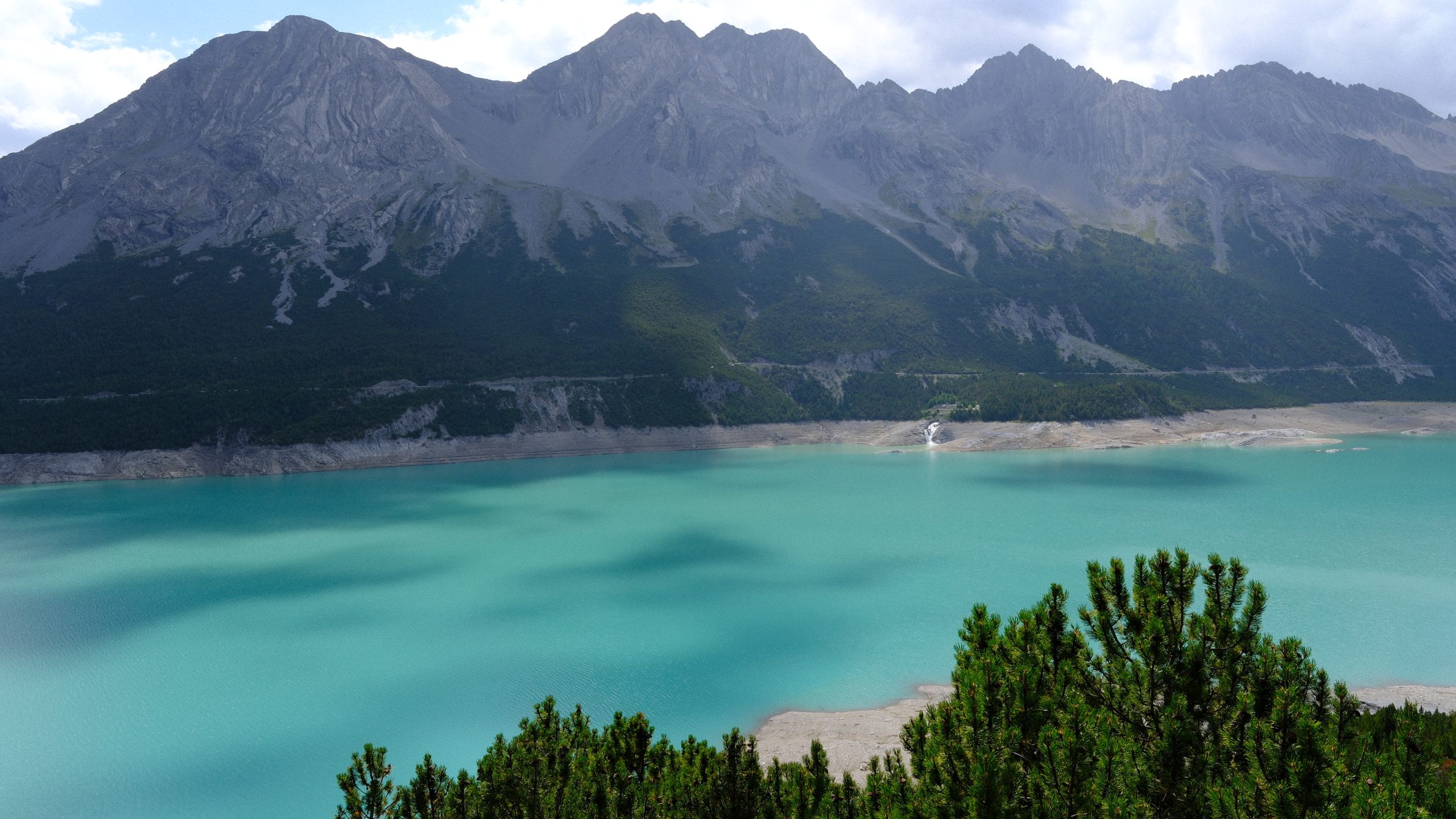
For a few minutes, I could not understand what I was seeing. The turquoise plane below the road was too opaque and too still to register as water. I thought it might be some strange kind of pavement laid between the mountains. Only after my eyes adjusted did the scale of it become clear. This was Lago di Cancano, holding the sky inside a colour that seemed almost impossible.
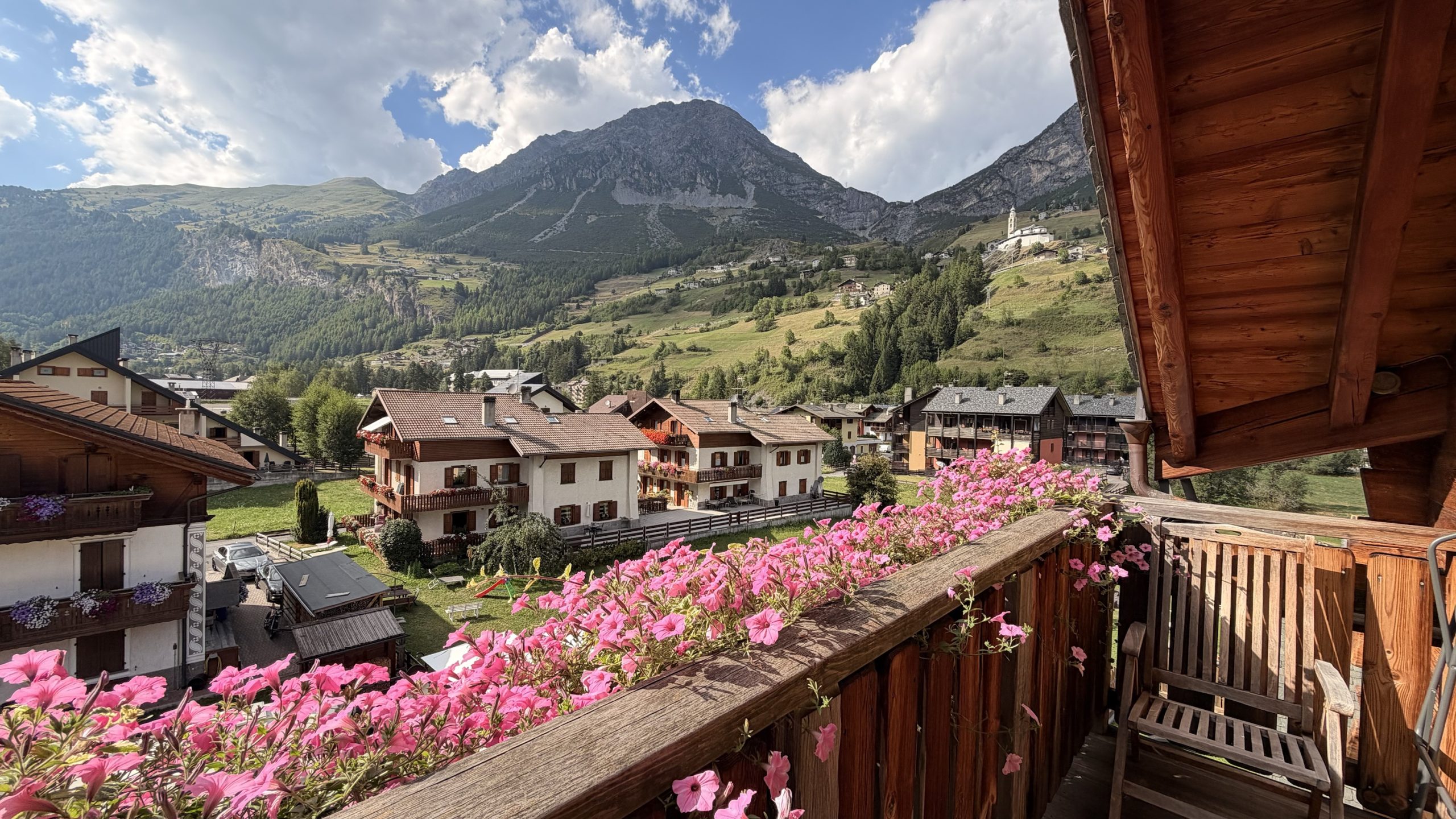
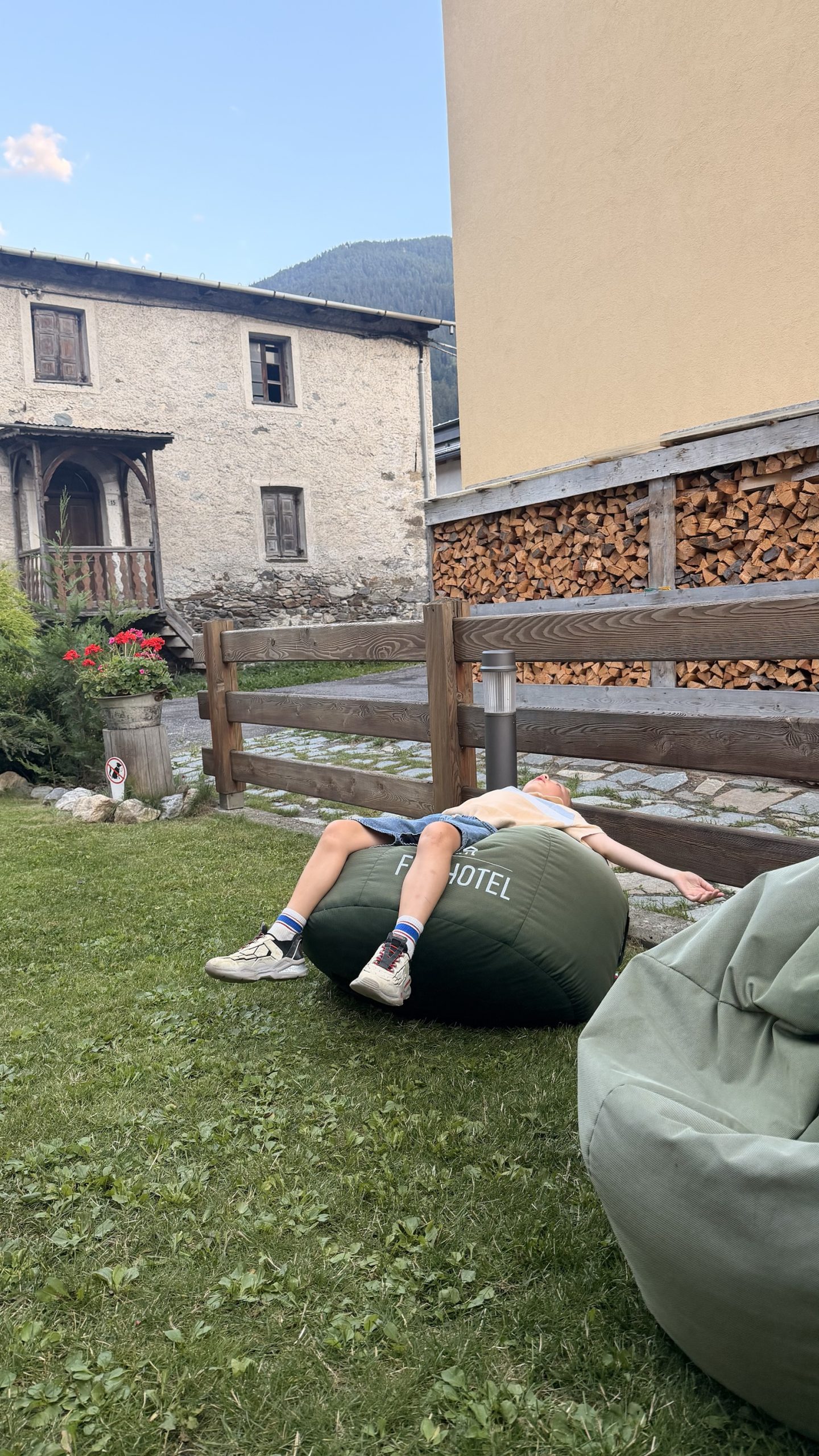
Valdidentro has a way of shifting your sense of proportion. Mountains rise behind wooden balconies and church towers, while domestic life continues beneath them among geraniums, stacked firewood and dogs stretched out in the grass. The landscape is immense, but life inside it feels close and personal.
A landscape that refuses scale
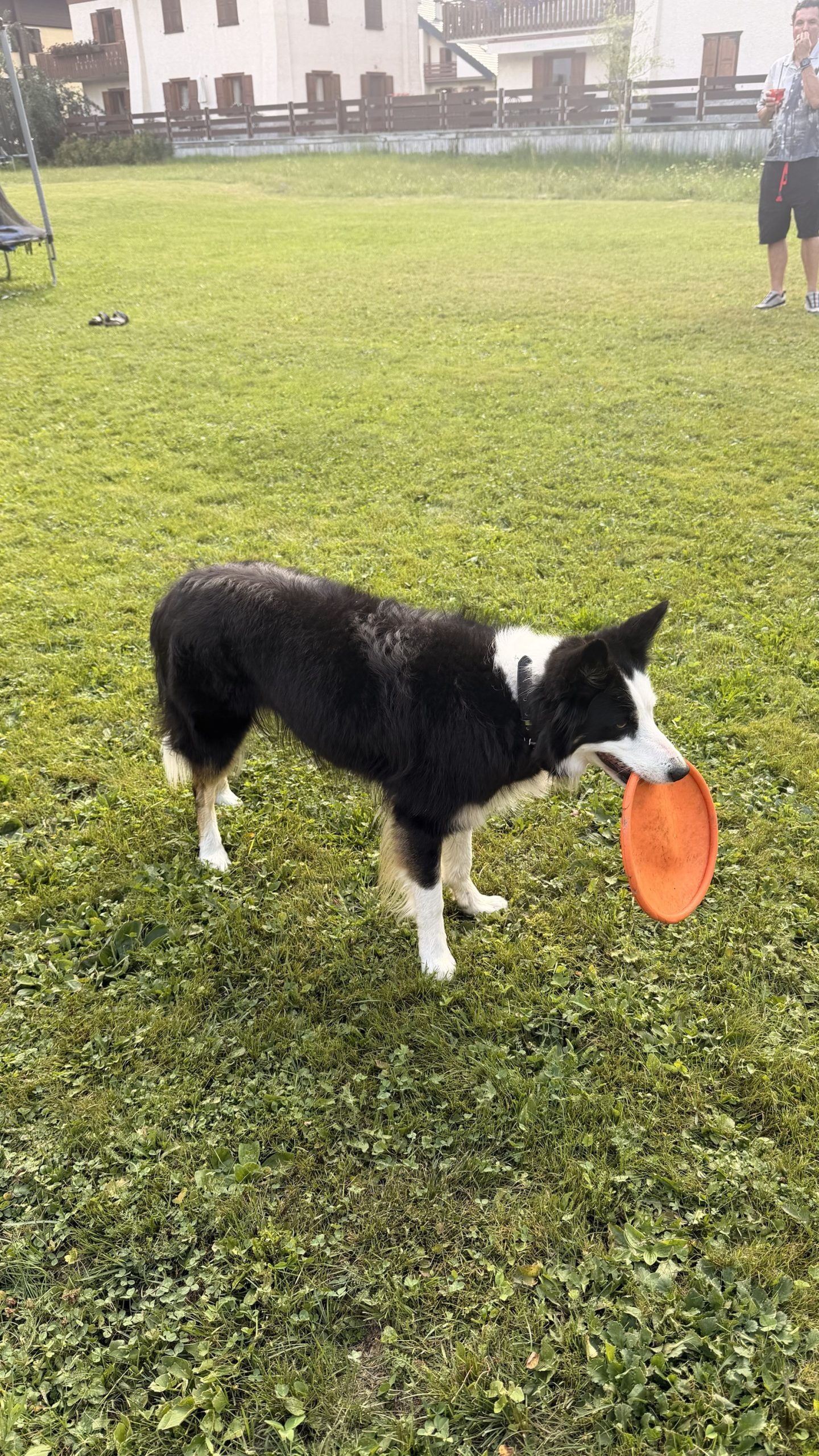
From our balcony at Alpen Hotel, the village looked gathered into the folds of the valley. Pink flowers spilled over the railing, rooftops climbed toward a small white church, and the mountains filled every space beyond them. Down in the garden, Sulli, the owner’s border collie, decided that Chris belonged to her. She was extraordinarily quick. Within minutes, she had learned to play football with him and seemed equally prepared to organise him as part of her herd.
The hotel’s owner, Lucio Da Zanche, moved between this gentle mountain hospitality and a very different kind of speed. He is a decorated historic-rally driver, a four-time Italian champion and a six-time winner of the Sanremo Rally Storico. It was one of those unexpected details that made the valley feel less like scenery and more like a place with its own private momentum.
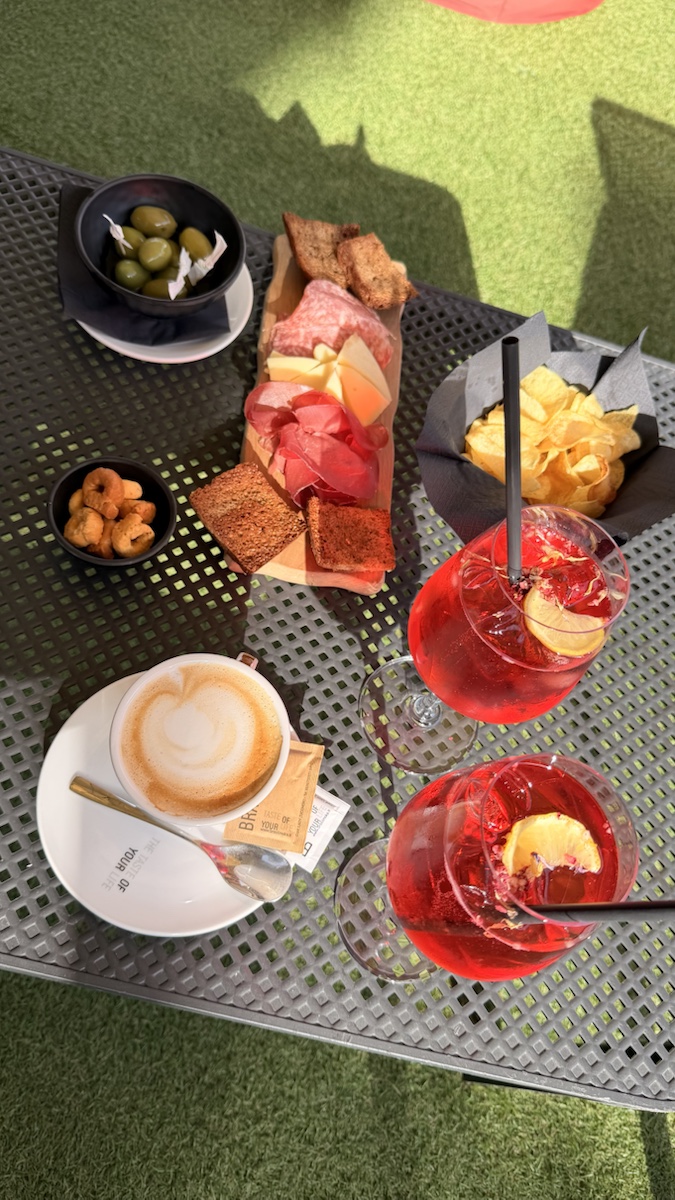
That same closeness appeared around the table. Spritz arrived with generous plates of cheese, cured meats, olives and crisp little snacks, the kind of welcome that quietly turns a drink into an occasion. At dinner, beetroot risotto brought a vivid red to the table, carpaccio was covered with rocket, shaved cheese and mushrooms, and a raw seafood plate gathered oysters and shellfish together. These indoor details belonged to the landscape too: earthy flavours, bright colour and the sense that there was no reason to rush away.
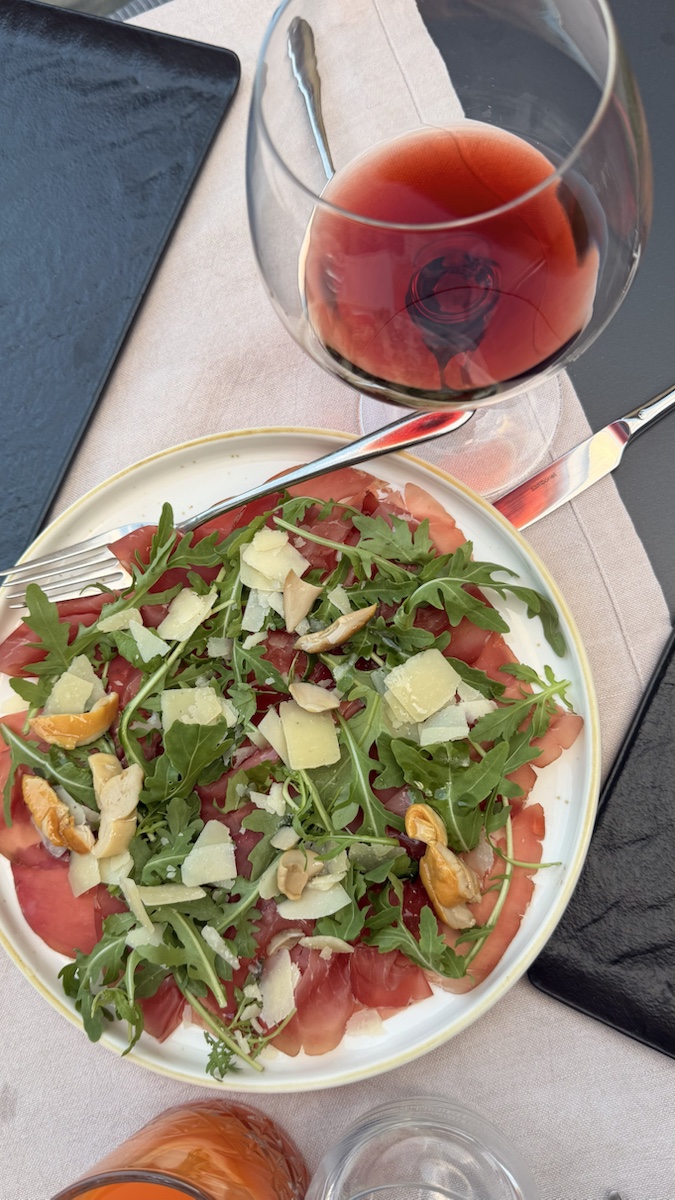
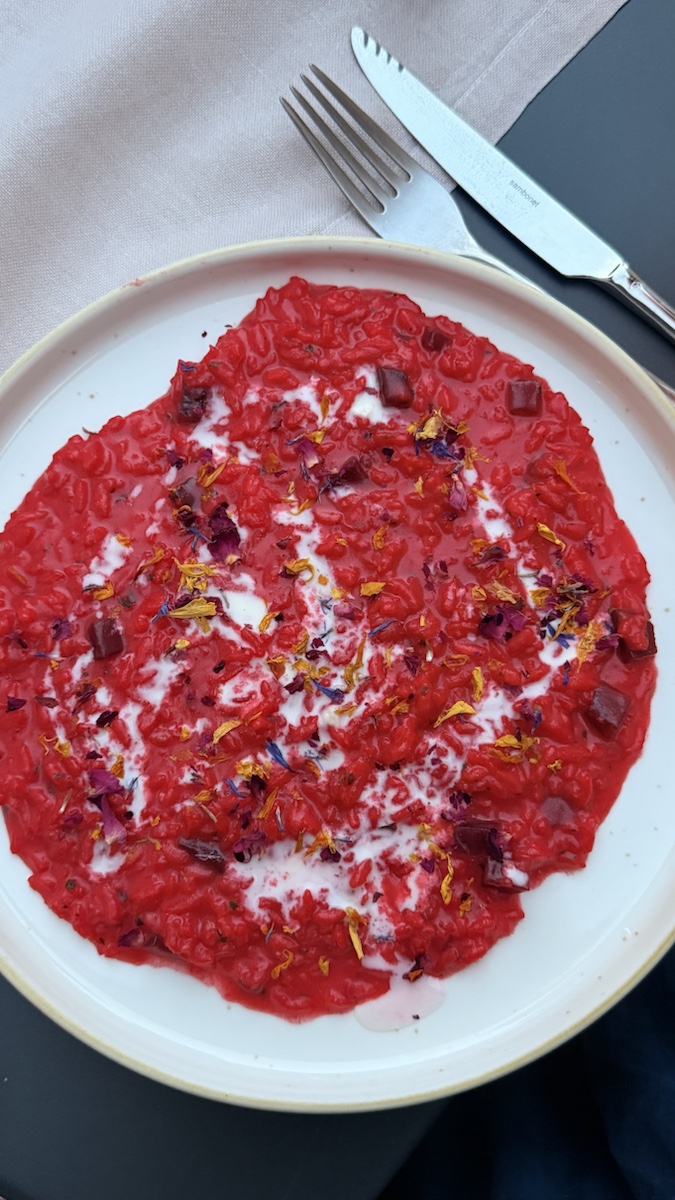
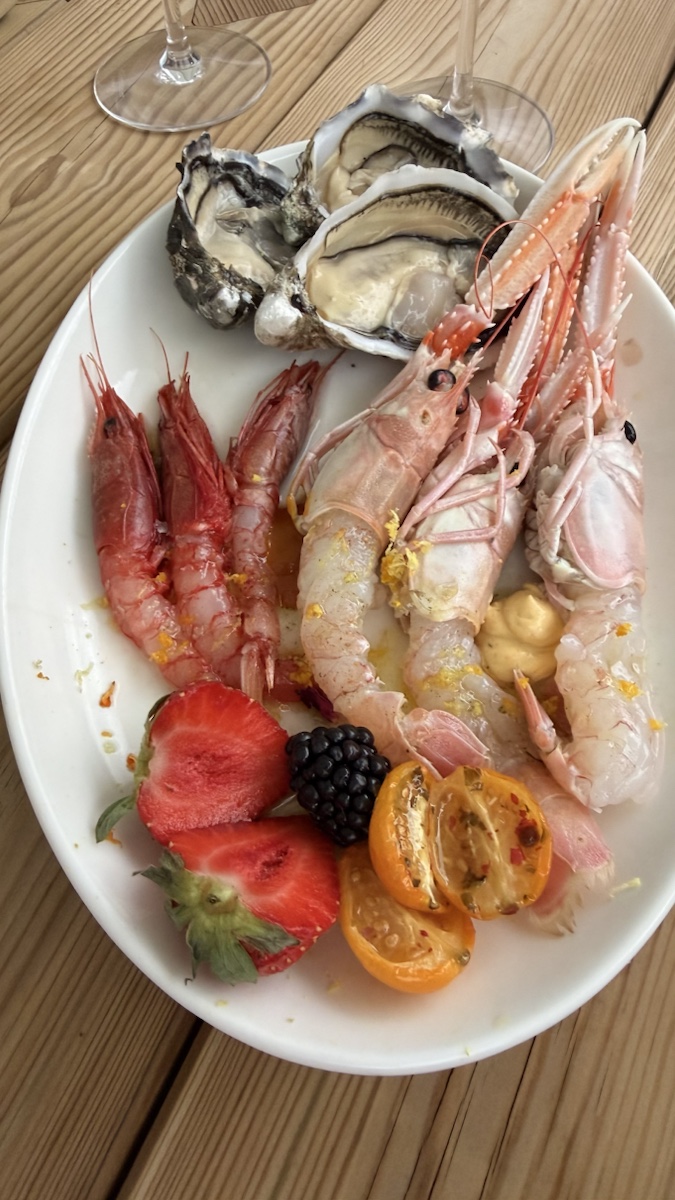
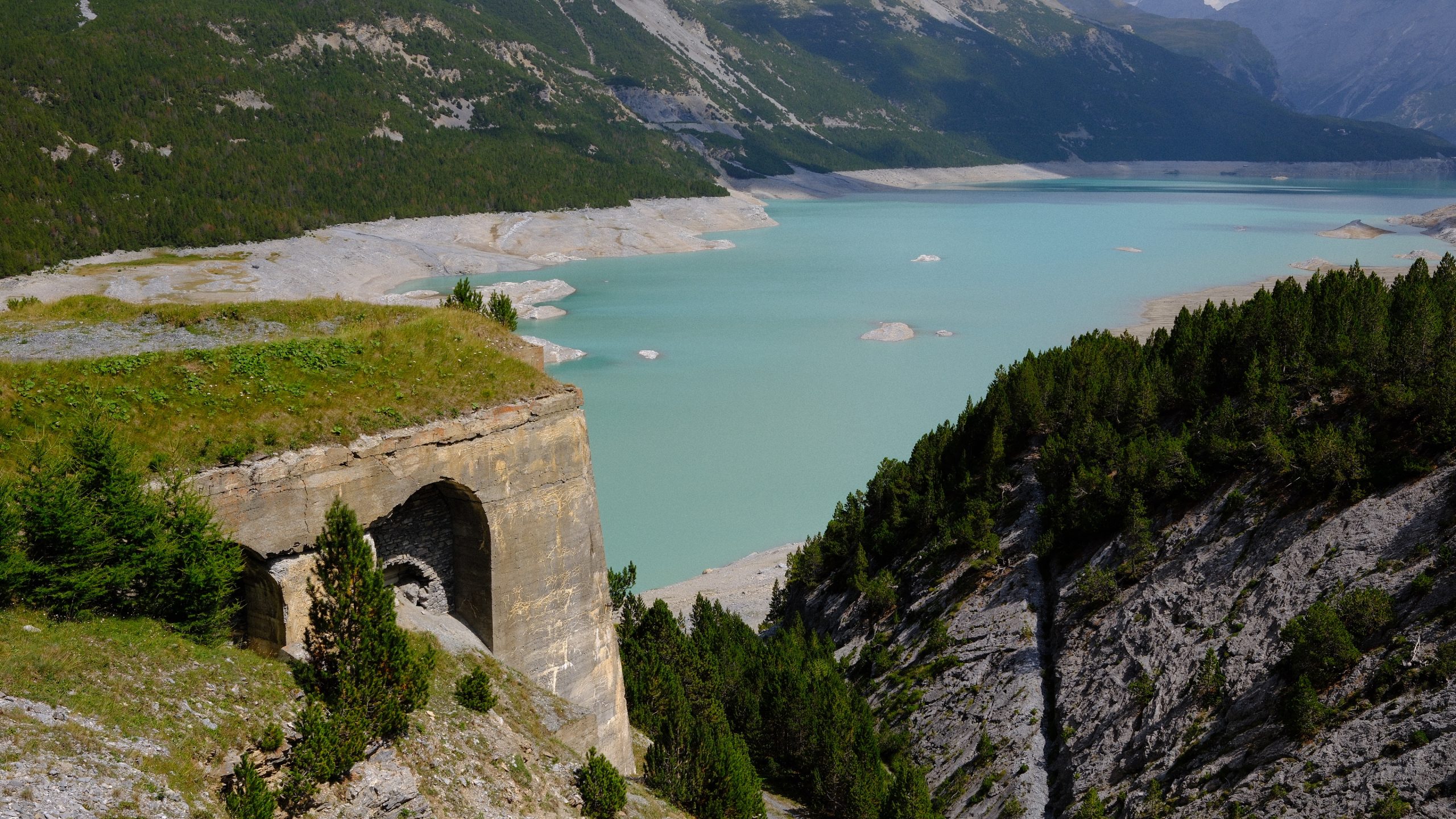
At Cancano, scale became harder to read again. Two vast artificial reservoirs sit at about 1,950 metres in the Stelvio National Park, built for hydroelectric power yet absorbed so completely into the high valley that engineering and nature seem to speak the same visual language. Fine mineral sediment suspended in alpine water scatters blue and green light, helping create the milky turquoise that first confused my eyes.
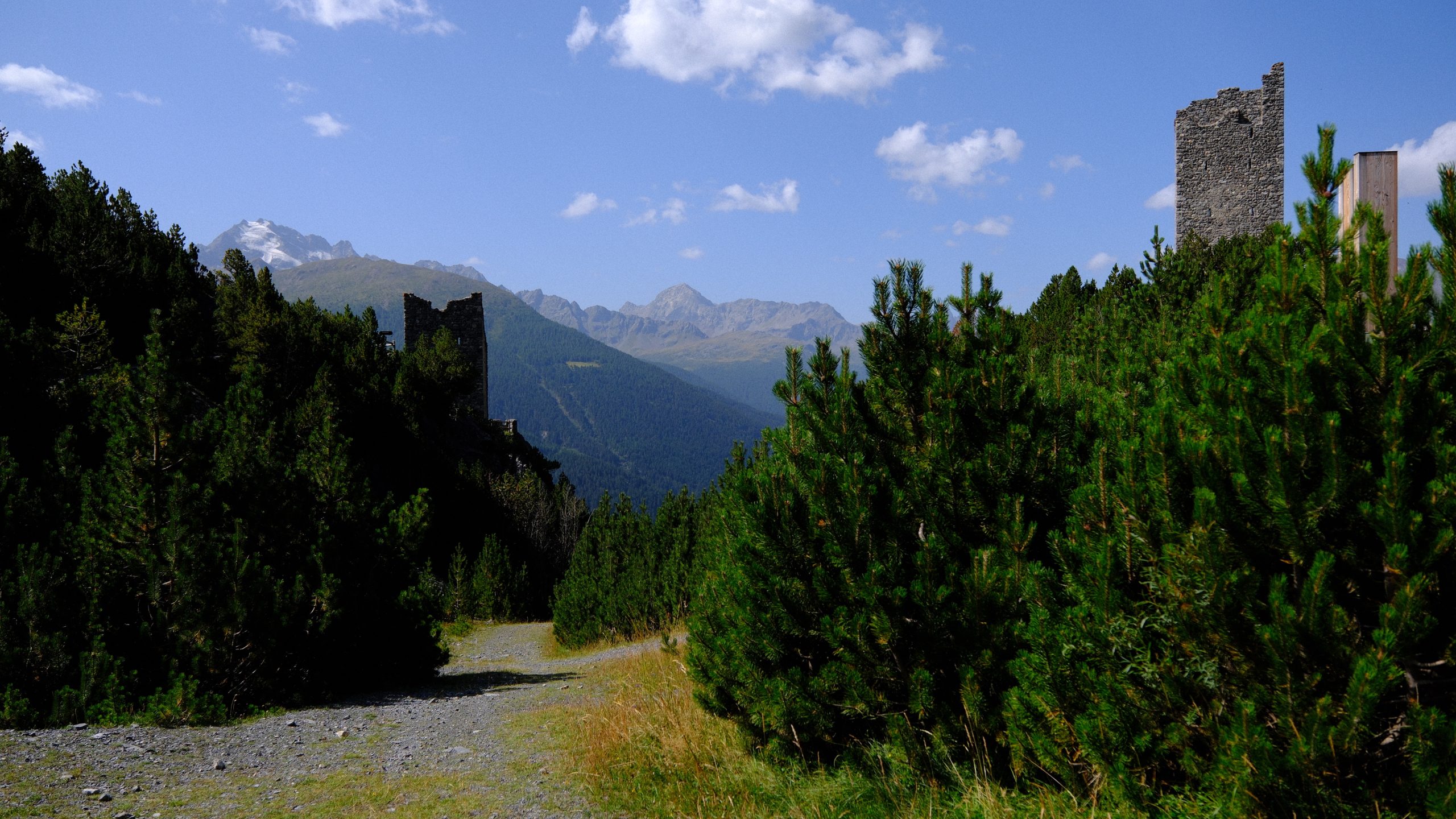
Above the road stand the Torri di Fraele, the remains of a fortress built in 1391. They once guarded a trade route carrying wine and salt between the Alta Valtellina and lands north of the Alps. The towers are ruins now, but they still mark the threshold of the valley. Passing between them feels like entering a landscape that has always been about movement: merchants, animals, water, cyclists and travellers finding their way through the mountains.
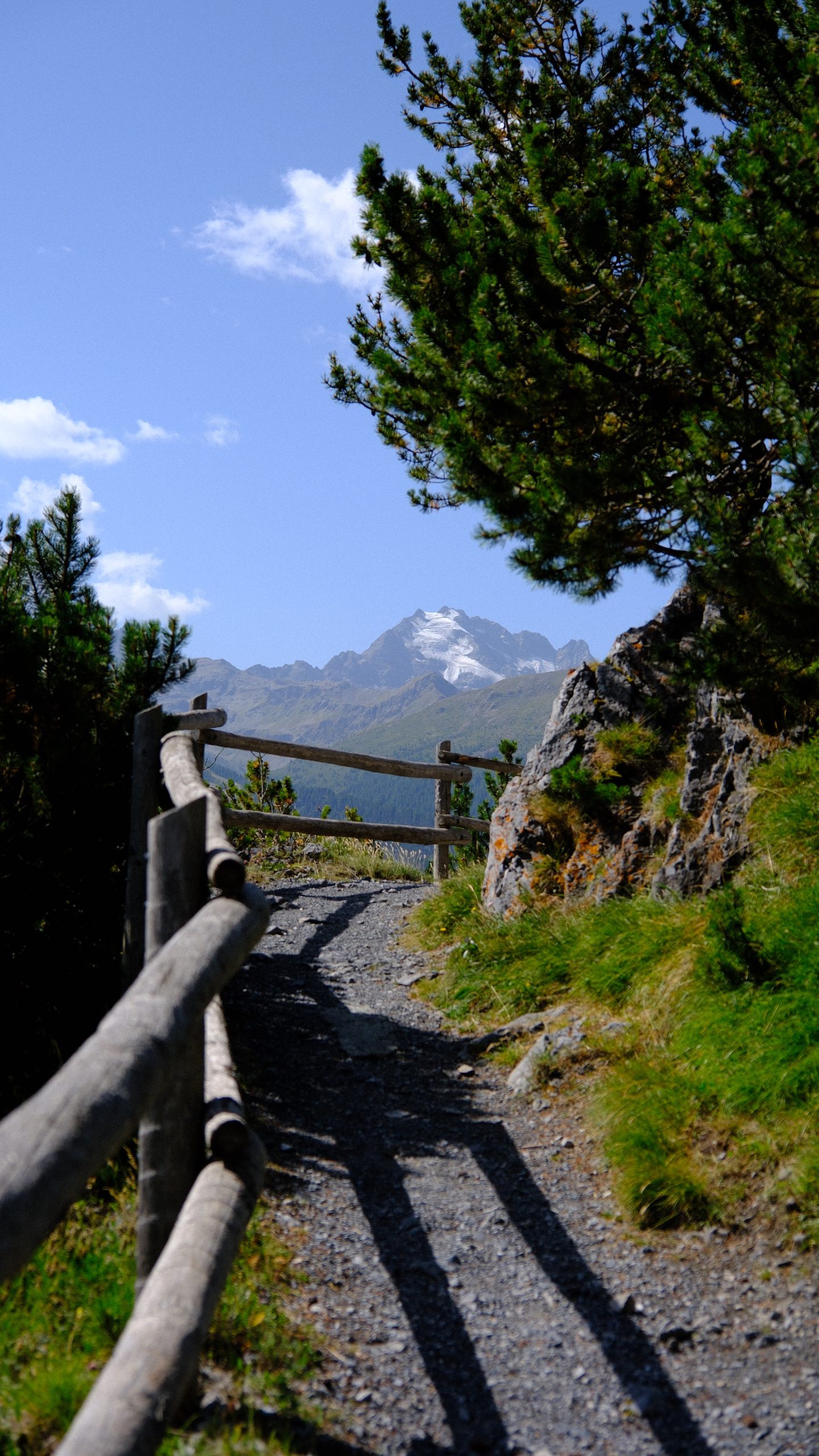
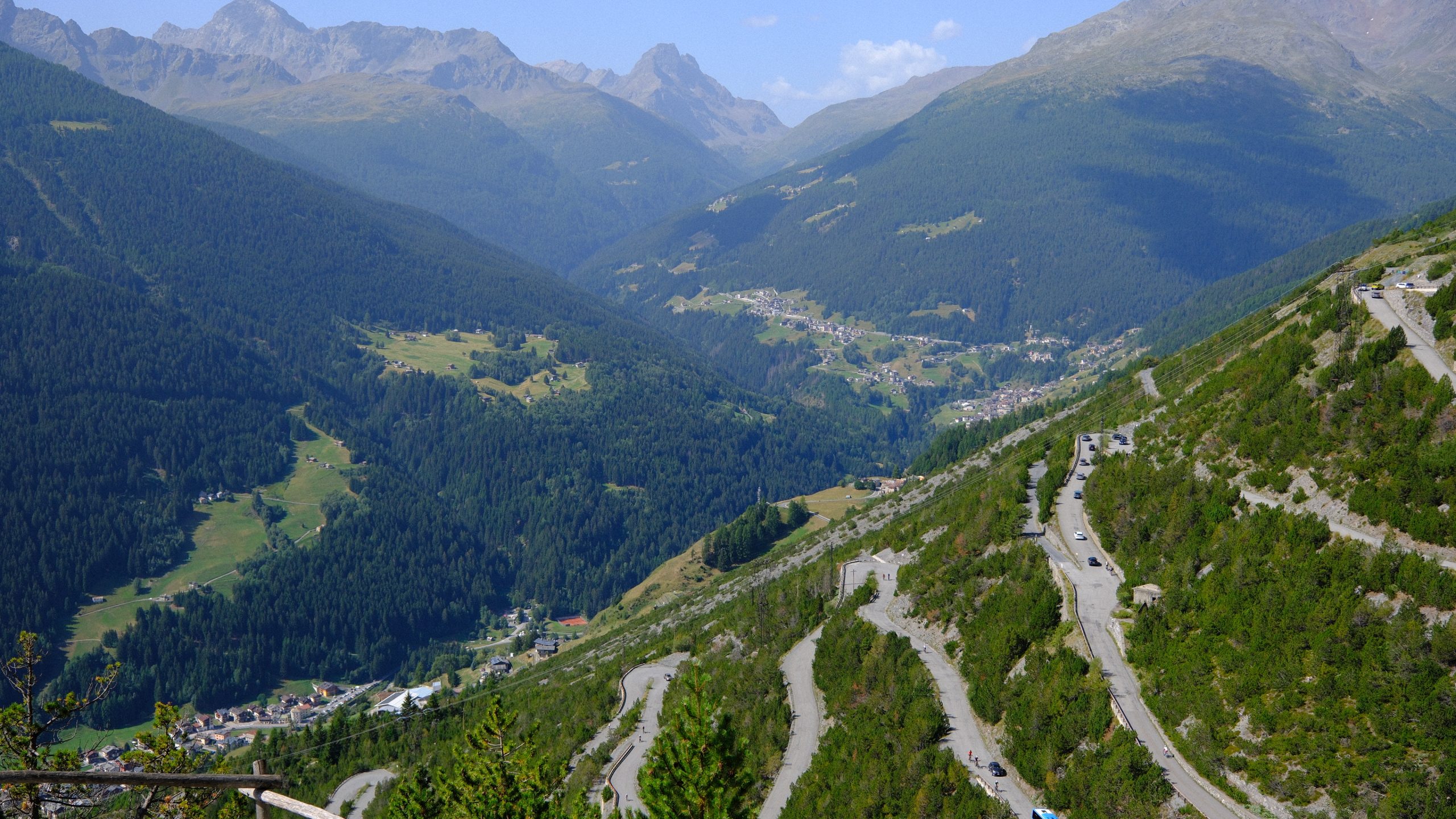
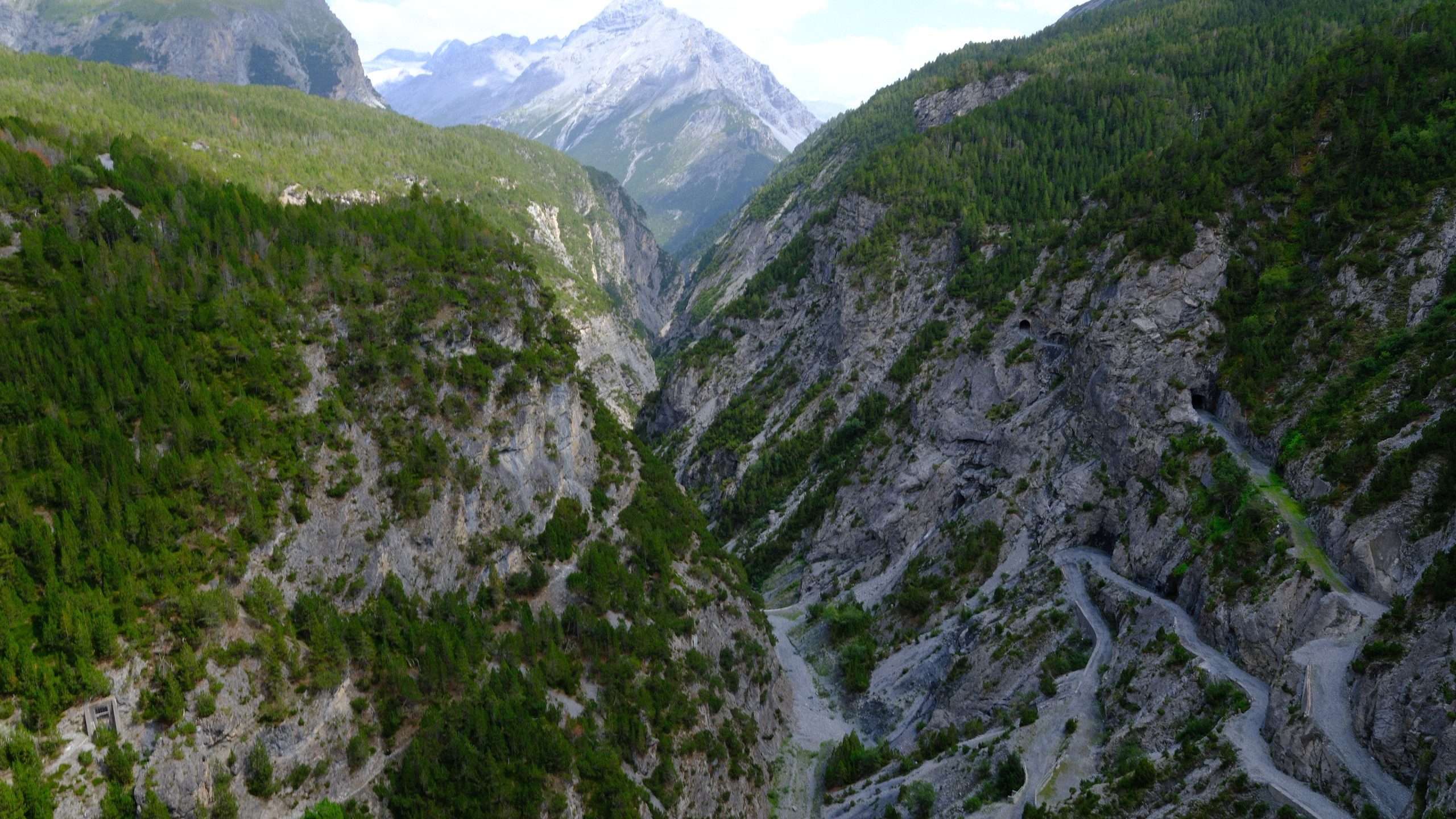
Around the towers, the valley became legible in fragments: a path slipping between mountain pines, the switchback road unspooling towards the villages below, then the two stone silhouettes rising separately above the trees. The old passage was not only a line through history. It was a place to stop and look back at the terrain it once controlled.
The pleasure of moving slowly
We explored both Lago di Cancano and Lago di San Giacomo on electric bikes. The circuit took around two hours, although time expanded with every stop for photographs. Chris rode in a trailer behind us, excited and unusually quiet as he watched the reservoirs, forest and pasture move past. He was less impressed when the rocky tracks tossed him from side to side. The route may look gentle against the broad water, but the ground keeps reminding you that this is still a mountain.
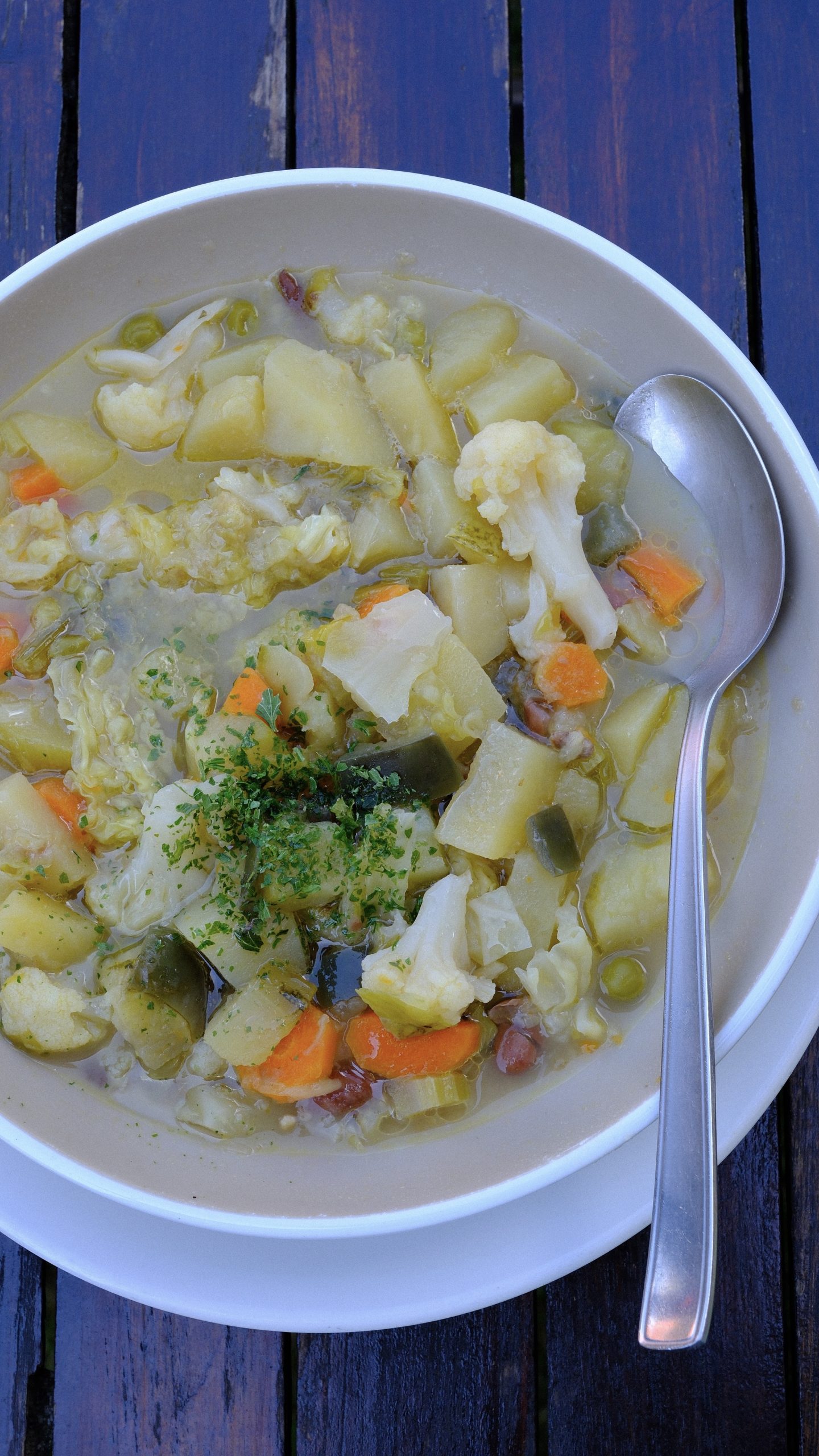
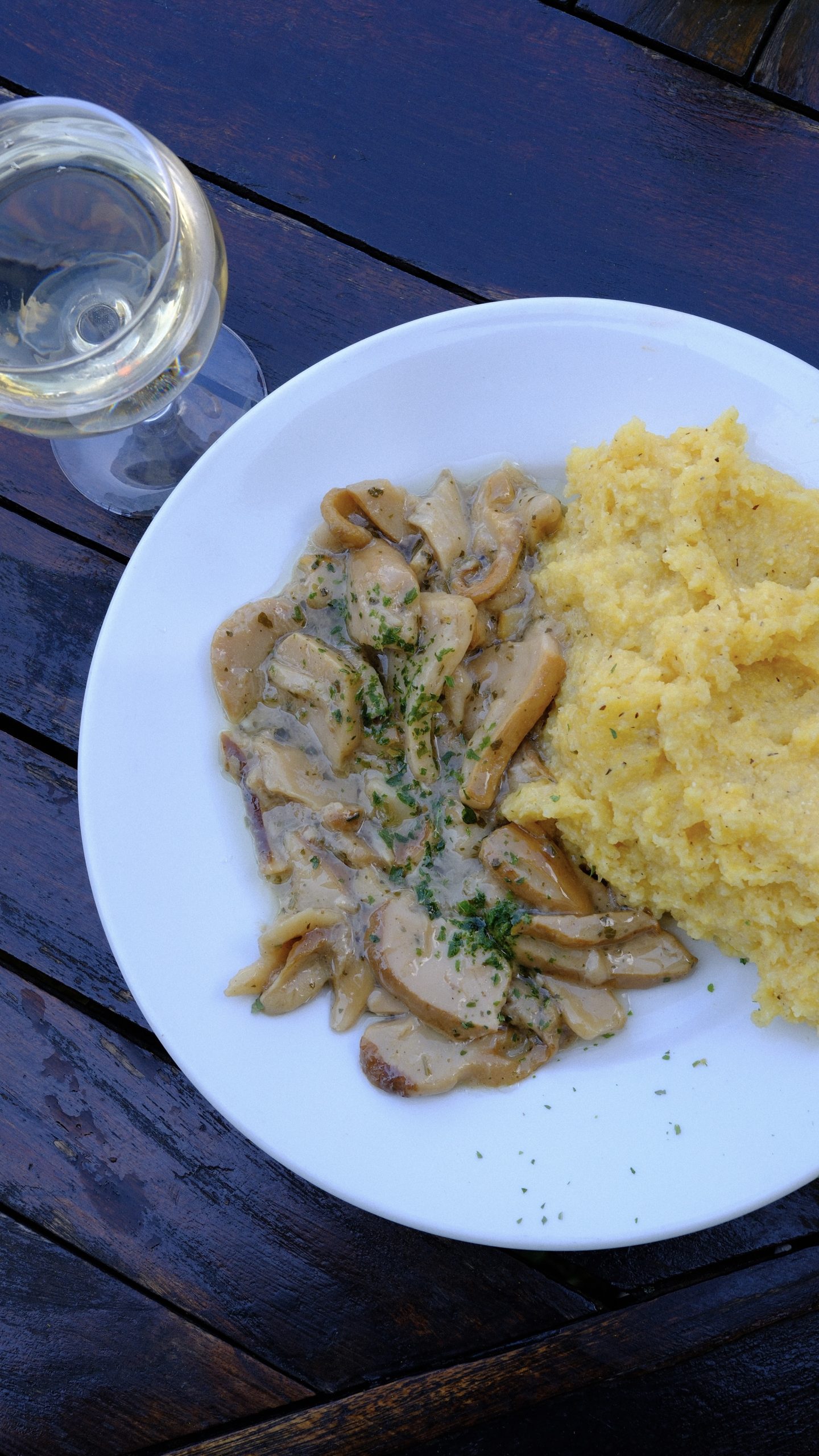
Near the lakes, the most memorable places were not trying to hurry anyone. Rifugio Val Fraele has been family-run since 1957. A sign made its philosophy clear: anyone in a rush had chosen the wrong place. The meal asked for patience. My husband’s minestrone was plain, the house wine was best forgotten, and my polenta was rescued by porcini mushrooms so fresh that they carried the whole plate. Yet the atmosphere was exactly right for the valley. Lunch was not a performance. It was simply a pause between water, forest and pasture.
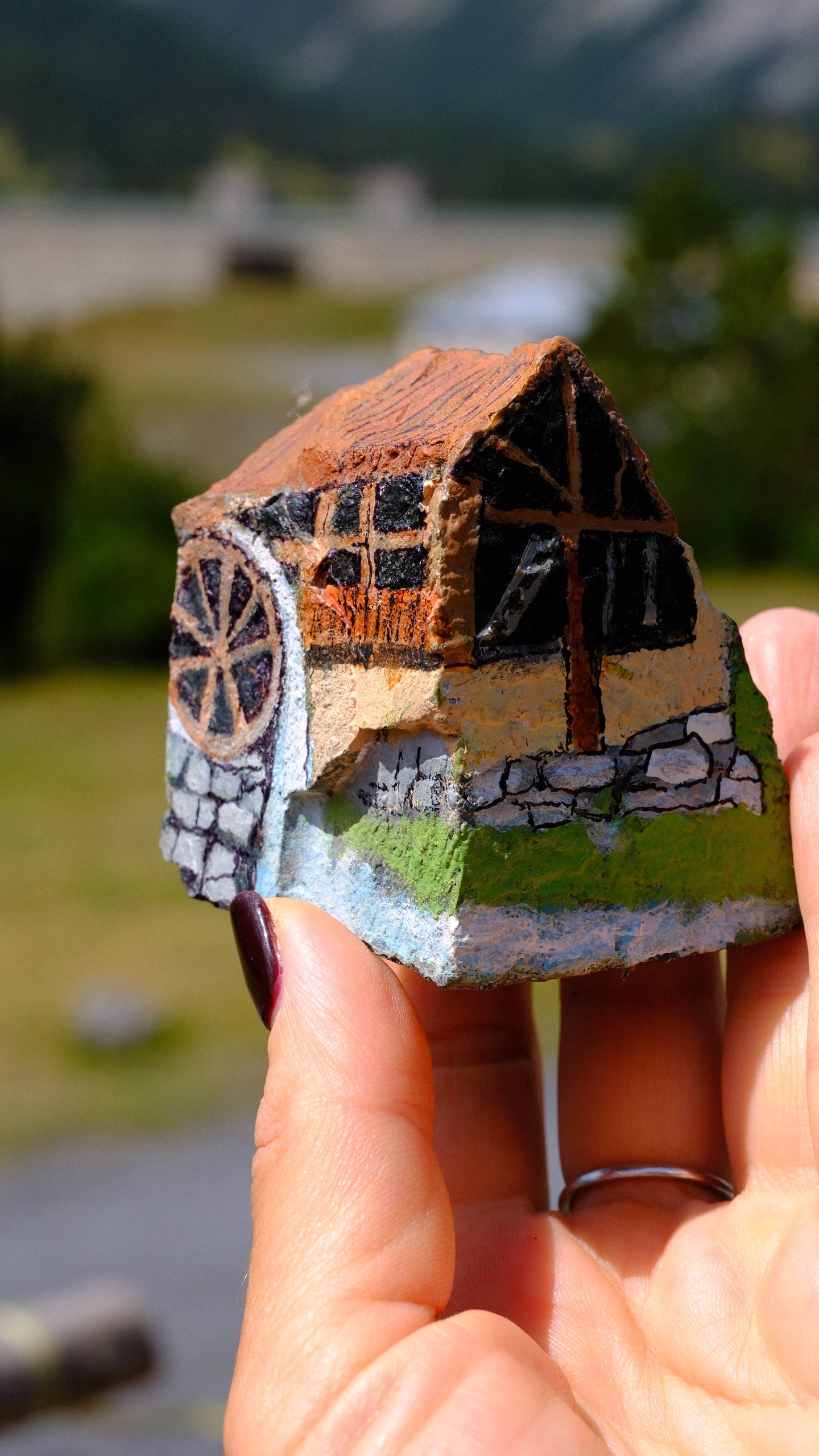
Outside was a tiny village made from hand-painted stones. I brought one home, not as a grand souvenir but as a small piece of the day. It now belongs on my indoor-jungle shelf, where plants crawl across the wall around driftwood and heart-shaped stones gathered in different countries. Travel often returns home this way, reduced to an object small enough to hold but still capable of opening an entire landscape.
Almost another country
A forest track carried us toward signs and map lines pointing to Switzerland. The border was close enough to make geography feel playful. On a short ride or walk, another country could suddenly become part of the afternoon.
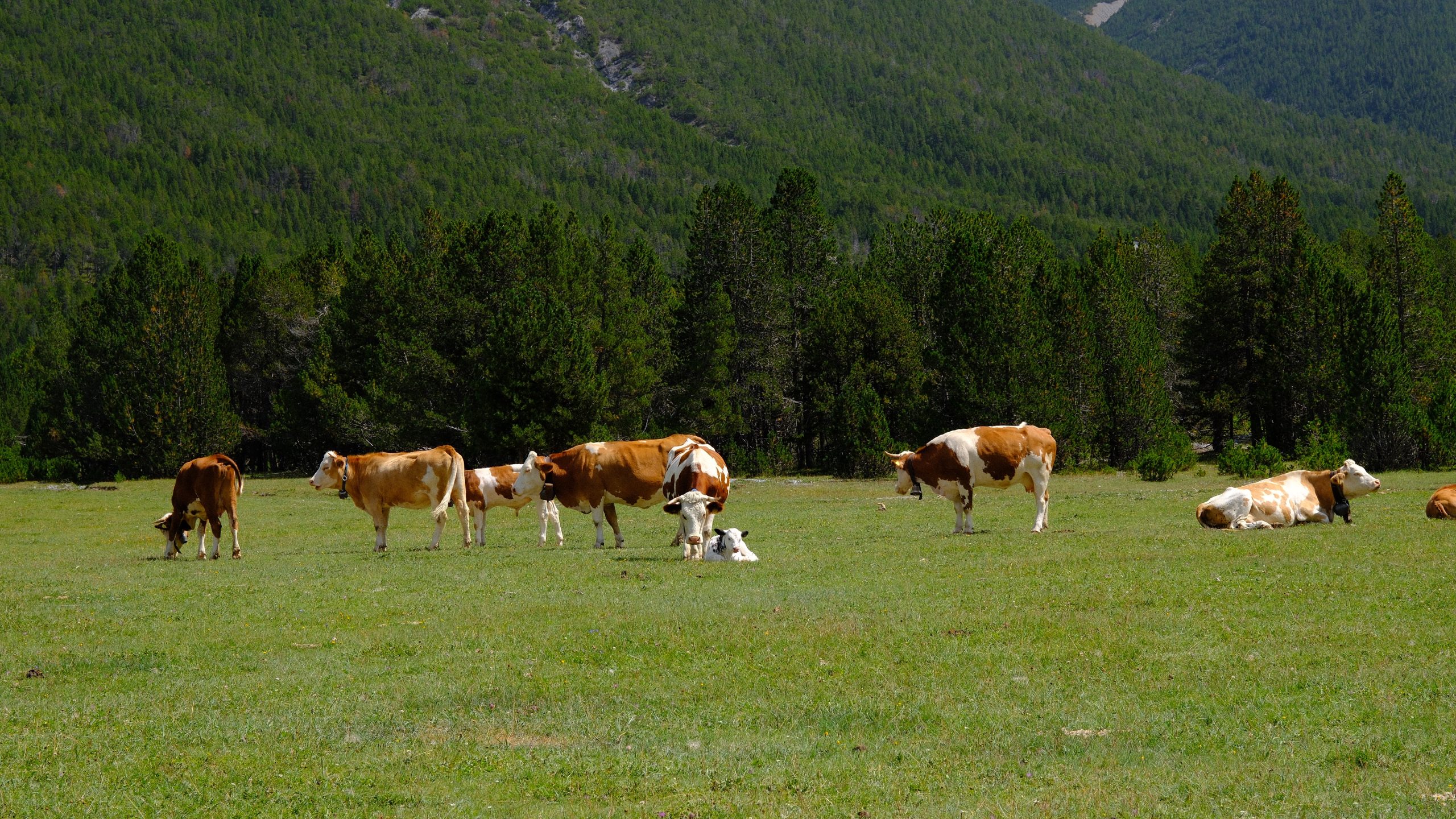
The animals made a stronger impression on Chris than any border. Cows rested in the pastures and donkeys came close without hesitation. One young, fluffy brown donkey attached himself to Chris. We named him Mario. He followed Chris, nipped at his shirt and nudged him with the persistent affection of an animal that had already decided the friendship was mutual.
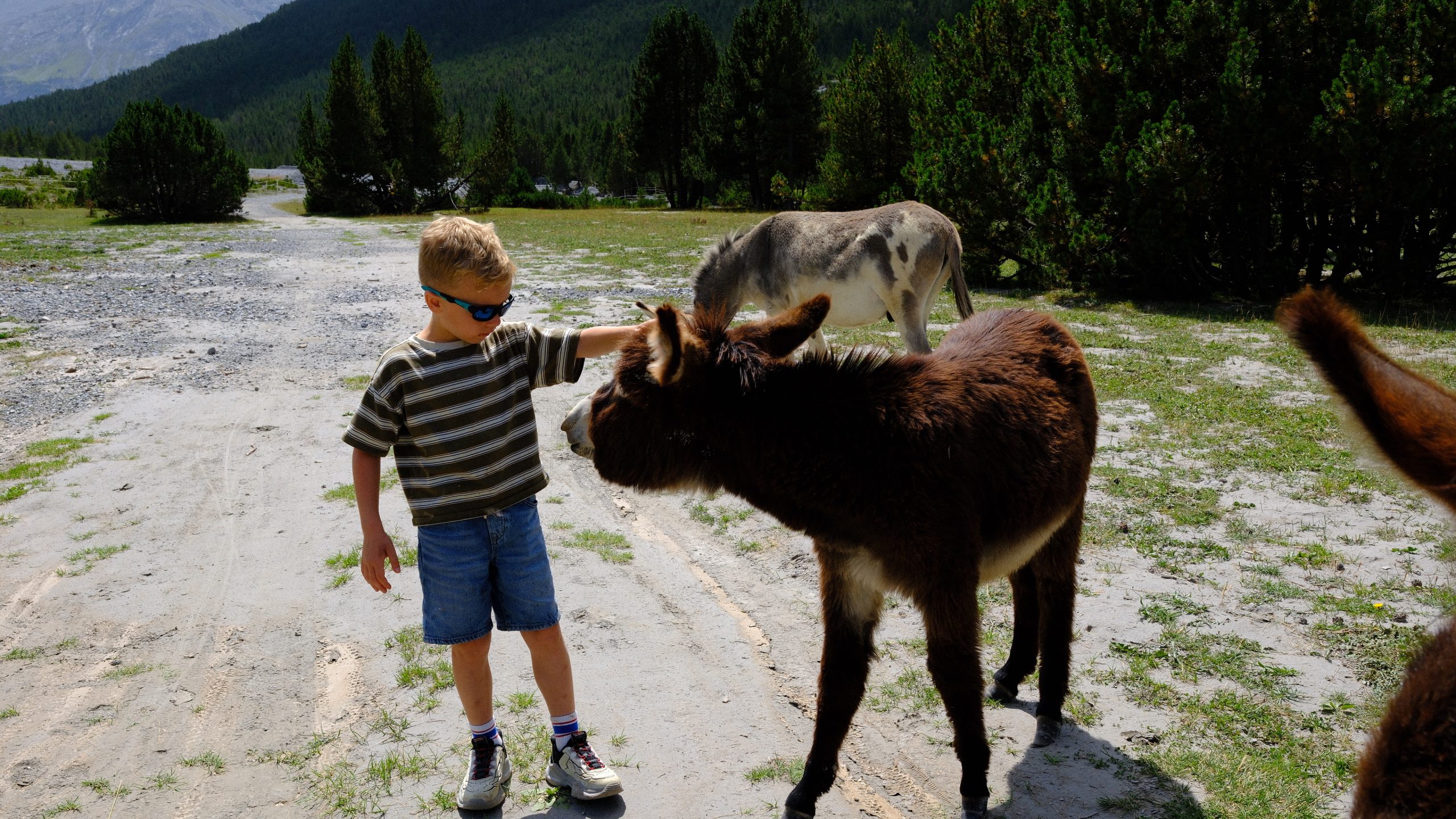
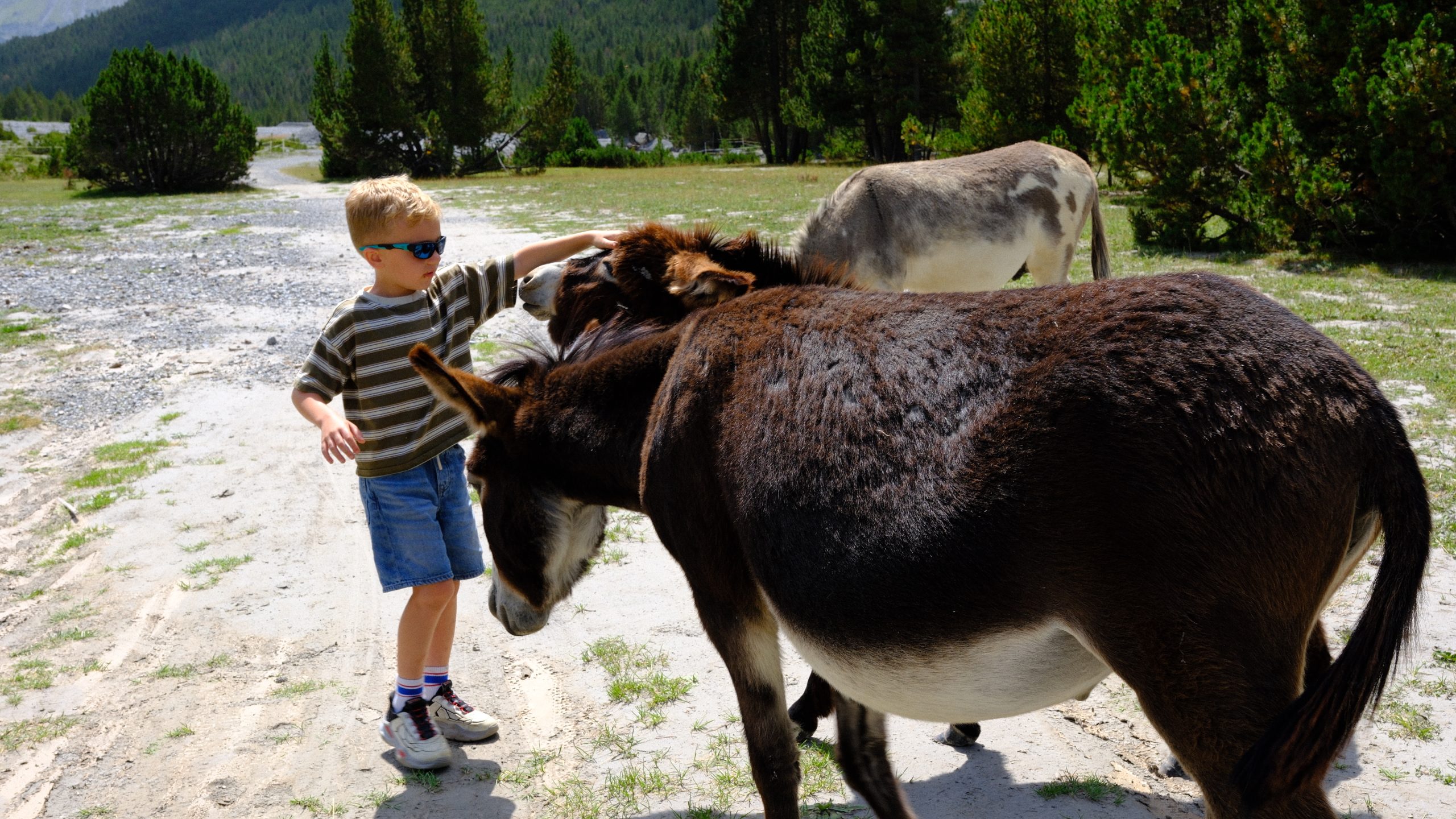
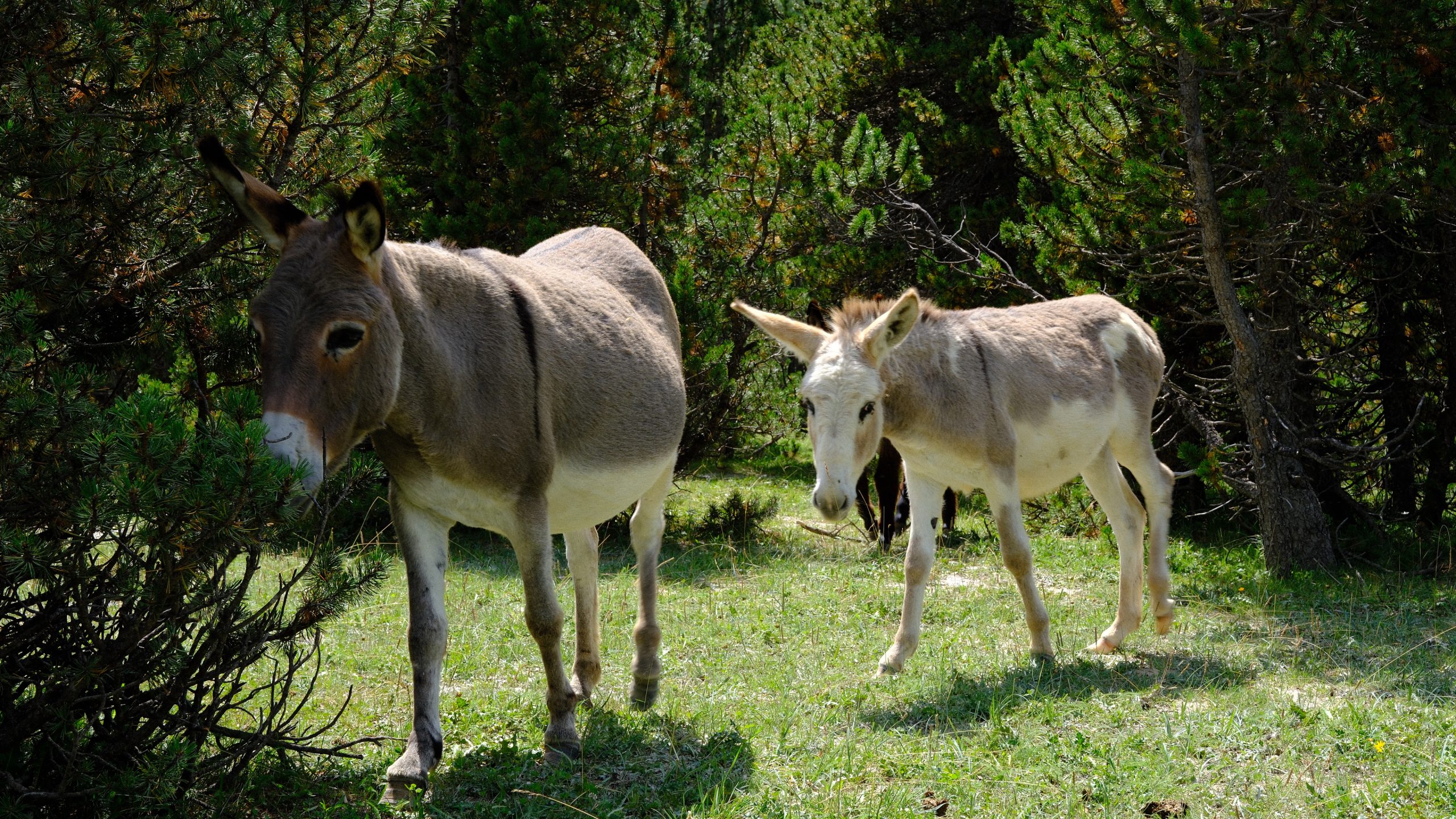
Chris announced that we could not leave without Mario. If taking him home was impossible, then we clearly needed to own a donkey of our own. The conviction was complete. The reservoirs might have been the reason for the journey, but the donkey became its emotional centre.
That is what remains with me about Valdidentro. The grandest elements resist comprehension: water mistaken for pavement, dams folded into an alpine valley, medieval towers looking toward an old route to Switzerland. Yet memory settles on smaller things. A border collie learning a new game. Fresh porcini rescuing a plate of polenta. A painted stone among houseplants. A donkey tugging at a boy’s shirt because neither of them was ready to say goodbye.
A few practical notes
- In summer 2026, vehicle access to Cancano required a €5 daily ticket covering transit and permitted parking. A ticket does not reserve a parking space.
- Arrive early if you plan to rent bicycles. At around 10 a.m., we received the last available bikes.
- The lakeside routes are suitable for families, but some rocky sections can be uncomfortable for a child in a trailer.
- Rifugio Val Fraele operates seasonally, and its restaurant service can change. Check directly before relying on it for lunch.
- Access conditions are seasonal. Consult Valdidentro Tourism and Rifugio Val Fraele when planning your visit.